
Patent Targets Faster, More Reliable 5G Connections by Matching Phones to Smarter Network Software
Your phone is constantly telling the network how well it receives a signal, and Sony thinks that information should be used to hand your device a customized AI model for staying connected. That's the premise of this 5G beam management patent.
What Sony's AI-driven 5G beam selection actually does
Imagine you're walking through a stadium packed with tens of thousands of people, and your 5G signal keeps cutting out. The cell tower knows you're struggling because your phone keeps reporting weak reception, but right now that information mostly just triggers a switch to a different antenna direction. Sony wants to go further.
This patent describes a network device, basically a piece of equipment inside the cellular network, that reads your phone's signal reports and uses them to select a specific AI model tailored to predict which antenna beam will work best for your situation. It then sends your phone the instructions to use that model.
The key idea is that one AI doesn't fit all. A phone sitting still in a suburb needs a very different prediction strategy than one moving at highway speed or sitting in a crowded venue. By matching your device to the right model, the network can anticipate where your signal is going before it drops.
How the network scores signal reports and assigns AI models
The patent describes a two-part system split between the network and your device (called a UE, or User Equipment, in telecom language, meaning any phone or connected gadget).
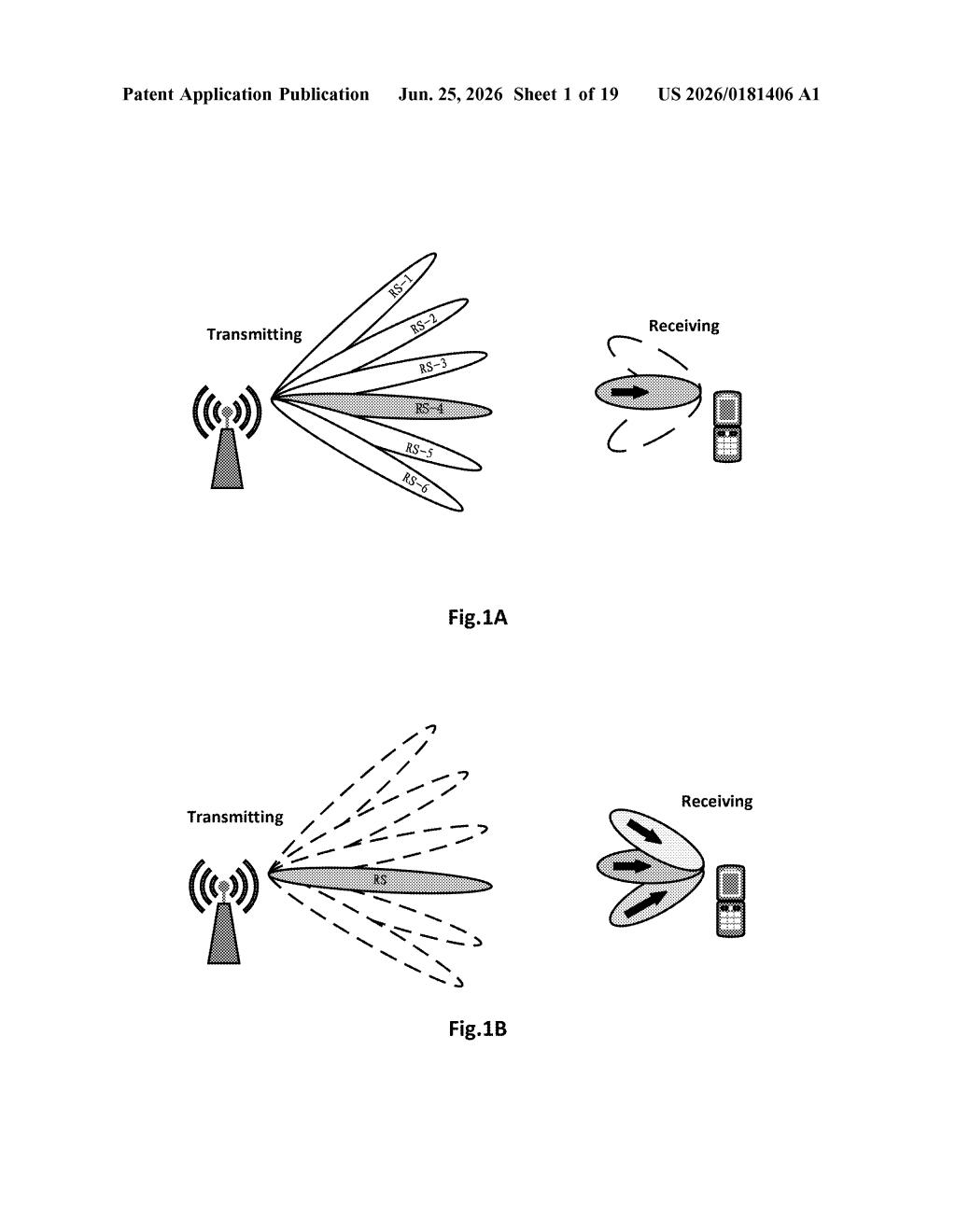
On the network side, a network device collects beam measurement results reported by the UE. A beam, in 5G terms, is a narrow, targeted radio signal aimed at a specific device rather than broadcast in all directions. The network side holds a library of multiple AI models, each trained for different signal conditions or mobility patterns.
Based on what the measurements reveal about your device's environment, the network picks the most appropriate AI model from that library and sends back indication information, essentially a pointer or set of parameters telling the UE which model to use or how to configure its own beam prediction.
The UE then uses that model to predict future beam quality, meaning it can proactively tell the network which antenna direction will work best a fraction of a second from now, rather than reacting after the signal has already degraded. This kind of predictive handoff is central to 5G's promise of low-latency, high-reliability connections.
What this means for 5G devices in crowded environments
5G's performance advantage over 4G depends heavily on precise beam management. The narrower the beam, the stronger the signal, but also the more easily it breaks when you move. Keeping that beam locked onto a moving device is one of the harder engineering problems in 5G, and it gets worse as networks get more crowded.
If this approach makes it into commercial base stations, it could mean fewer dropped calls and more consistent data speeds in exactly the situations where networks tend to fall apart, like concerts, airports, and city centers. For Sony, which makes both consumer electronics and telecom infrastructure equipment, owning a piece of the AI-driven radio management stack is a strategic position worth watching.
This is a specialized telecom networking patent with real engineering substance behind it. The idea of the network dynamically assigning AI models to individual devices based on live signal data is a concrete step toward smarter 5G beam management, not just a software tweak. It won't generate consumer headlines, but it's the kind of infrastructure work that determines whether 5G actually delivers on its promises.
There are more where this came from
We read every patent application Big Tech publishes and send you the ones worth knowing. Plain English, free, every week.
Want this weekly breakdown for a company we don't cover? Patentlyze Pro →