
IBM Patent Readies Event Organizers With AI Briefings Before Meetings Start
IBM has patented a system that listens to opt-in audio from people planning to attend an event, predicts what they'll want to discuss, and then sends organizers a pre-built briefing before anyone walks through the door.
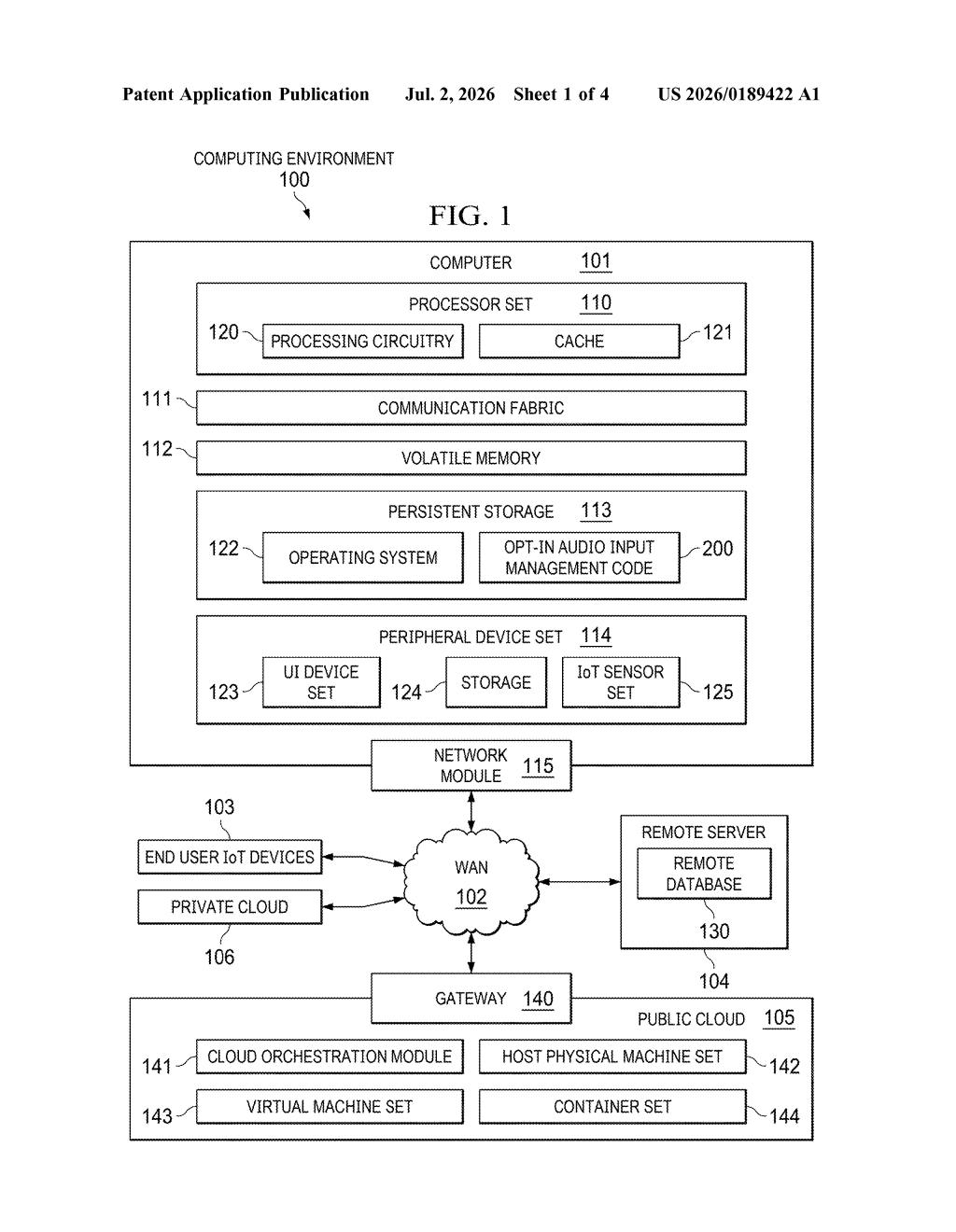
How IBM's pre-event AI briefing system works for attendees
Imagine you're running a company town hall. Before the event, the system has already collected audio input from people who volunteered to participate, figured out what topics kept coming up, and predicted which questions the room is likely to ask. You get a prep document before you step on stage.
That's what IBM is patenting here. The system uses AI to analyze the audio, detect how attendees are feeling about the event, and forecast what will dominate the conversation. It then packages all of that into a summary and sends it to both the organizer and the attendees themselves.
The key word is opt-in. IBM's patent stresses that audio input is voluntary, so participants choose to have their voices analyzed. Whether that distinction holds up in practice depends entirely on how the system is actually deployed.
How the ML models predict topics, sentiment, and questions
The patent describes a pipeline that takes opt-in audio from event participants before an in-person gathering and runs it through a set of machine learning models to extract several types of signals:
- Keyword frequency, which words or phrases keep surfacing across participant audio
- Predicted attendee sentiment, whether participants seem positive, skeptical, or anxious about the event
- Predicted most-discussed topics, what subjects are likely to dominate the room
- Predicted frequently asked questions, questions the AI expects attendees to raise
- Predicted event outcome, a forecast of how the event is likely to go
Those signals feed into an event summary, which is then distributed through a "distribution channel" (email, a portal, a chat app, etc.) to both the event organizer and the attendees who will physically be present.
The claim is broad enough to cover conferences, corporate meetings, training sessions, or any gathering where people show up in person. The patent doesn't specify what kind of audio it collects or when, leaving a lot of implementation detail open.
What this means for corporate meetings and live events
For anyone who runs large internal meetings, training sessions, or conferences, a pre-built AI briefing could reduce the gap between what organizers think attendees care about and what they actually want to discuss. That's a real and common problem, especially in corporate settings where presenters prepare slides that miss the room entirely.
The opt-in framing is doing heavy lifting here. Workplace audio analysis is a legally and ethically sensitive area, and how companies implement consent for this kind of system will matter far more than the technology itself. IBM's patent stakes out a design principle, but enterprise buyers and regulators will decide whether "opt-in" is meaningful in practice.
This is a sensible idea wrapped in a patent that's doing real work around consent framing, which is smart given how toxic workplace surveillance has become as a topic. The technical claims are broad enough to be commercially interesting but specific enough to describe a real product direction. Whether it ever ships in a recognizable form is another question.
Get our take in your Top Stories
Liked this breakdown? Add Patentlyze as a preferred source on Google, and our plain-English take shows up more often in your Top Stories the next time IBM patent news breaks.
There are more where this came from
We read every patent application Big Tech publishes and send you the ones worth knowing. Plain English, free, every week.
Want this weekly breakdown for a company we don't cover? Patentlyze Pro →