
Apple Patents a Way for Each App to Set Its Own Do Not Disturb Rules
Right now, Do Not Disturb treats apps pretty bluntly. Apple has filed a patent that would let each app define exactly how it should behave when you activate a Focus mode, before you even turn one on.
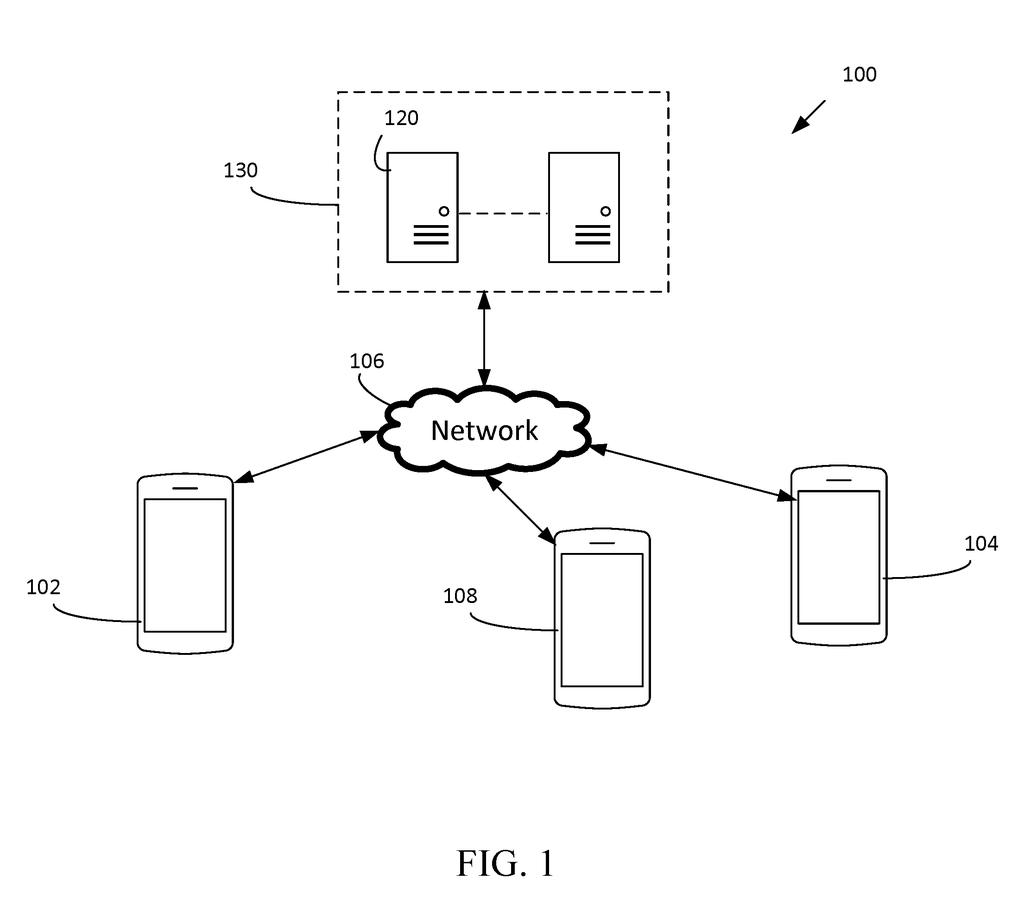
What Apple's per-app Do Not Disturb system actually does
Today, when you turn on Do Not Disturb or a Focus mode on your iPhone, the system mostly just blocks notifications. Individual apps don't really get a say in how they should quiet down beyond what you've already configured in Settings.
Apple's patent describes a different approach. Each app would hand the operating system a kind of menu of options in advance, things like "hide my badge," "filter out low-priority messages," or "disable live activity updates." When you flip on a Focus mode, the system picks the right option from that menu and tells the app, without having to wake the app up mid-mode and ask it what to do.
When you turn off Do Not Disturb, the system sends a "return to normal" signal and your app snaps back to how it was before. You'd never see any of this happening. You'd just notice that apps feel more appropriately quiet during Focus modes and snap back cleanly when those modes end.
sending, by an application process and to a system process, a template associated with an application, the template comprising a plurality of configuration options for the application …
Translation: Apps send a menu of custom quiet mode options to the main operating system beforehand.
How apps pre-register their quiet-mode options with iOS
The patent describes a two-layer architecture: an application process (the individual app) and a system process (iOS itself).
Here's the sequence:
- When the app launches or registers itself, it sends the system a template, essentially a list of named configuration options. Each option describes how the app should behave in different quiet-mode scenarios, for example, disabling a certain feature, filtering which items appear in a feed, or suppressing specific notification types.
- The system stores this template and associates each configuration option with a Focus mode identifier, a label that corresponds to a specific mode like Sleep, Work, or Personal.
- When a Focus mode activates, the system looks up the right option from the stored template and sends a simple signal back to the app. The app adjusts its behavior without needing to know which Focus mode is actually running.
- When the mode ends, the system can send a default identifier, a restore signal, that tells the app to revert to its previous state.
Because the template is registered in advance, the system doesn't have to interrupt the app at the moment a Focus mode turns on. That cuts the small but real delay that would otherwise occur if the system had to negotiate behavior with the app in real time.
An application process provides a system process with a template defining multiple configuration options for the application.
Translation: An app gives the system a list of choices for how it should behave during quiet hours.
What this means for how Focus modes behave on your iPhone
For you, this would mean Focus modes that actually change how apps work, not just whether they buzz. A news app could collapse its breaking-news bar. A messaging app could hide low-priority threads. A fitness app could stop surfacing restaurant suggestions during Sleep mode. All of that could happen automatically the moment you activate a Focus, without you configuring each app individually.
Apple's interest in Focus-mode infrastructure shows up across several recent filings, and this patent sits at the practical end of that work. The cleaner handshake between app and OS also matters for performance: apps don't need to be running and listening at the exact moment you switch modes, which is a small but real win for battery life and responsiveness.
That makes this Apple's 414th filing in our Apple coverage since May, adding to work like the avatar camera patent and the room sound matcher.
The frustration this solves is familiar: you turn on a quiet mode to stop distractions, and your apps ignore it completely, still buzzing with news alerts or surfacing the personal messages you were trying to leave behind. This patent describes a way for apps to agree in advance on how they'll behave when you want silence, so the phone actually gets quieter instead of just feeling like it should.
When it works, the effect is invisible in the best way. Your calendar hides the wrong events, your news app stops pushing alerts, and you never had to open a settings menu to make any of it happen.
The honest caveat is that this only reaches as far as the apps that build it in. Apple's own apps will behave, but the noisiest offenders on most people's phones are third-party apps, and those developers have to do the work. If they don't, quiet mode stays a partial fix.
There are more where this came from
We read every patent application Big Tech publishes and send you the ones worth knowing. Plain English, free, every week.
The drawings
5 drawing sheets from US 2026/0281232 A1 · click any drawing to enlarge


Want this weekly breakdown for a company we don't cover? Patentlyze Pro →