
Apple Patents AR Navigation Labels That Hide While You Walk and Reappear When You Stop
Apple is working on AR navigation labels that know when to get out of your way. The idea: if you're mid-stride, the floating street labels vanish so they don't clutter your view, then pop back the moment you stop.
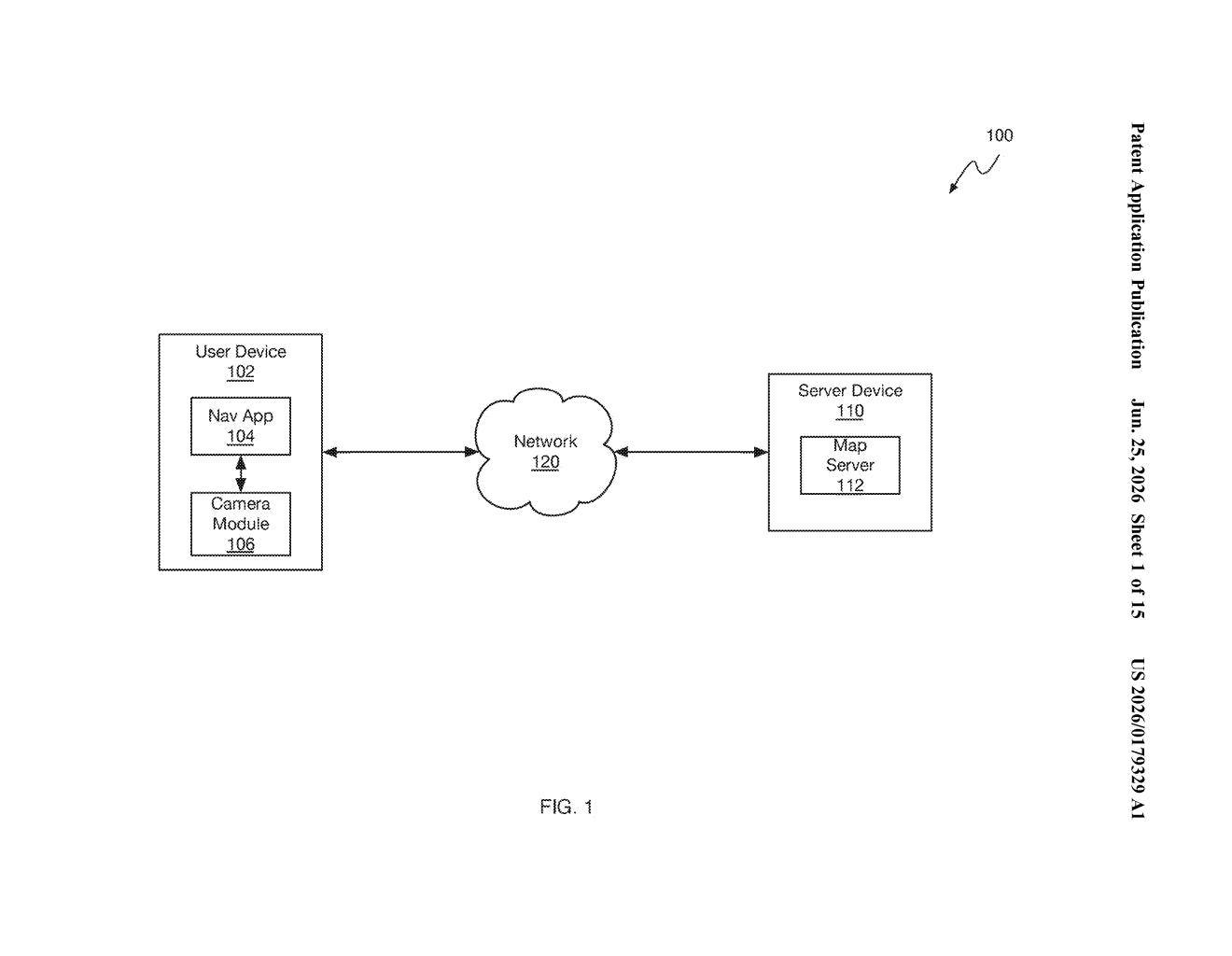
What Apple's disappearing AR walking labels actually do
Imagine you're walking to a coffee shop using your phone's camera to overlay directions onto the real street in front of you. Right now, those floating labels can pile up and block your view while you're moving, when you arguably need them least.
Apple's new patent describes a system that watches whether you're walking or standing still. Once you've moved a certain distance or walked for a certain amount of time, the AR labels automatically disappear from your screen. The moment you stop moving, they come back.
The system also uses your camera's depth information to figure out your precise location and decides which labels to show based on how far away each one is, whether anything is blocking your line of sight to it, and how important it is to your current route. It's essentially a visibility manager for floating street signs.
How the app decides when to show or hide AR labels
The patent describes a navigation app running on a device (think iPhone or Apple Vision Pro) that presents an AR video stream, a live camera feed with digital labels overlaid on top of real-world locations.
The core behavior is triggered by movement detection:
- The app tracks whether the device has moved beyond a minimum distance threshold or has been moving for a minimum amount of time.
- If both conditions are met and the device is still moving, it hides at least one AR label from the stream.
- Once the device stops moving, the label reappears.
Beyond the show/hide toggle, the patent also covers a broader label selection system. The app uses camera depth data (distance measurements from the camera sensor, not just GPS) to pin down the device's exact position. It then ranks candidate AR labels using a set of criteria: proximity to the user, a priority score assigned to each label, and whether a clear line of sight exists between the user and the label's real-world anchor point.
The result is a system that tries to surface the most relevant label at the right moment, rather than flooding the screen with floating markers at all times.
What this means for AR walking directions on iPhone and Vision Pro
For anyone who has tried AR walking directions in Apple Maps, the label clutter problem is real. Floating markers that don't account for whether you're moving or standing still can make a screen feel busy exactly when you need clarity.
This patent suggests Apple is putting meaningful engineering work into AR navigation UX, particularly the logic of when not to show information. That's relevant both for iPhones held up during a walk and, more significantly, for a head-worn device like Apple Vision Pro, where cluttered AR overlays during movement could be genuinely disorienting. If this makes it into Maps or a future Vision OS navigation feature, it would be a quiet but noticeable improvement to everyday use.
This is a specific, well-scoped patent that addresses a real annoyance in AR navigation rather than filing a broad territorial claim. The movement-triggered hide/show logic is the kind of detail that separates a usable AR experience from an overwhelming one, and the depth-based precision positioning adds a layer that GPS alone can't provide. Worth watching if you care about where Apple Maps' AR features are headed.
There are more where this came from
We read every patent application Big Tech publishes and send you the ones worth knowing. Plain English, free, every week.
Want this weekly breakdown for a company we don't cover? Patentlyze Pro →