
Apple Patents a System That Stops Hackers From Hijacking Bluetooth Device Connections
Apple is working on a way to stop bad actors from playing fake "pair with me" audio tones through your speaker without your knowledge. The fix lives inside the device itself, not on your network.
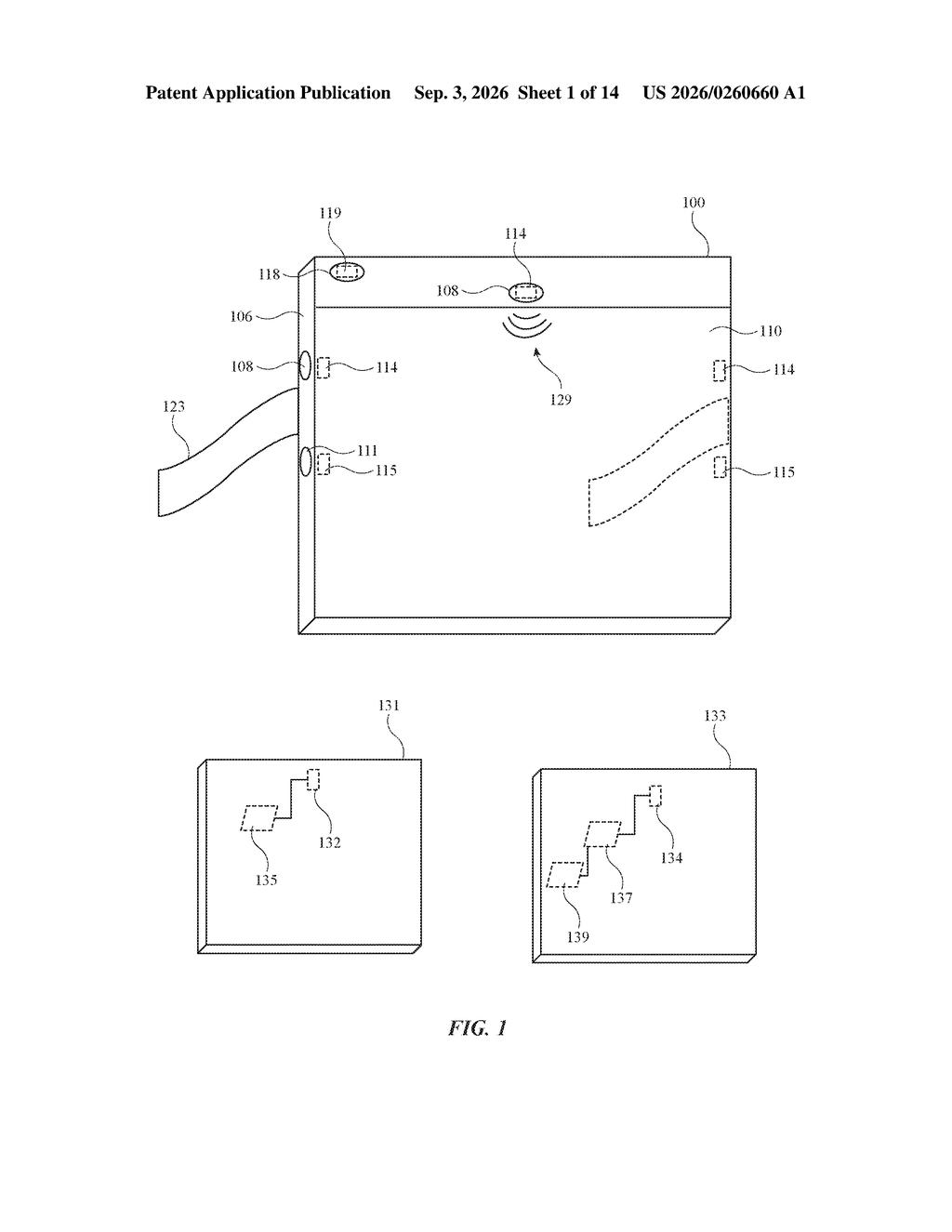
What Apple's secure audio pairing actually does for you
Imagine you buy a new Apple speaker and set it up at home. Somewhere in the process, it plays a short audio tone that tells a nearby iPhone, "hey, connect to me." That tone is the pairing signal, and it's more powerful than it sounds.
The problem is that any app or piece of software that can reach the speaker might try to play a fake version of that tone, tricking other devices into connecting to something they shouldn't. Apple's patent describes a way to catch that kind of impersonation before the sound ever leaves the speaker. A separate, isolated chip inside the device monitors every audio signal heading to the speaker and destroys or scrambles any fake pairing data it finds.
You'd never notice it working. But it means a rogue app on your device can't secretly broadcast a signal that pairs your other gadgets with something unauthorized.
… modifying at least a portion of the audio signal to generate a modified portion of the audio signal; and providing, by the second circuitry, the audio signal including the modified portion to the speaker for output.
Translation: The device changes the sound signal before playing it so hackers cannot take over the connection.
How Apple's second chip catches and kills the fake signal
The patent describes a two-chip approach inside a single device. First circuitry (think: the main processor running apps and software) generates audio signals and sends them toward the speaker. Second circuitry (a separate, isolated chip) sits between that processor and the speaker and acts as a security checkpoint.
The second chip is specifically designed to be unreachable by the main processor's software. That isolation matters because it means even a compromised app or malicious code running on the main chip can't simply tell the security chip to stand down.
When an audio signal arrives at the second chip, it scans the signal for what the patent calls encoded content: hidden data embedded in the audio that a pairing protocol would recognize as a legitimate "connect to me" command. If the chip finds that encoded content in a signal it wasn't expecting or authorized to pass through, it modifies or destroys that portion of the audio before sending anything to the speaker.
- The legitimate pairing system can still trigger a real pairing tone through the approved channel.
- Unauthorized attempts are stripped of their pairing payload before the speaker emits them.
- The speaker itself never knows the difference; it just plays whatever the second chip passes along.
… detect and alter or destroy attempts to emit spoofed audio pairing signals using the speaker of the electronic device.
Translation: The system catches fake pairing signals and breaks them so unauthorized devices cannot connect.
What this means for Bluetooth-style audio pairing security
Audio-based pairing is increasingly common across Apple's device lineup, and the attack surface it creates is real. If software can reach a speaker, and a speaker can broadcast pairing signals, then any sufficiently clever app could try to make unauthorized connections happen silently, in the background, without a visible prompt.
Apple's run of secure-hardware-enclave filings suggests the company is extending its trusted-chip philosophy beyond passwords and Face ID into lower-level device communication. For you as a user, this kind of patent is about making sure that the gadget talking to your iPhone is actually the one you told it to connect to, and not something posing as it.
Apple's 366th filing in our Apple coverage since May adds to a body that includes one on wireless charging negotiation and one on a low-power listening chip.
The threat this patent addresses is specific and credible. Audio-based device pairing creates a channel that most people never think about as a security surface, which is exactly what makes it attractive to exploit. A malicious app that can emit a spoofed pairing tone could silently recruit nearby devices into an unauthorized network, and the user would have no obvious indication it happened.
The approach Apple describes, putting an isolated hardware checkpoint between software and speaker, matches the scale of that threat. Hardware isolation is the right tool here because software-only defenses can be defeated by the same software they're meant to police. That's not a trivial engineering choice.
Whether this ever ships in a product is unknown. But as a design principle, it extends Apple's existing secure-enclave thinking into audio hardware in a way that's logically consistent and addresses a gap that's easy to overlook.
Get our take in your Top Stories
Liked this breakdown? Add Patentlyze as a preferred source on Google, and our plain-English take shows up more often in your Top Stories the next time Apple patent news breaks.
There are more where this came from
We read every patent application Big Tech publishes and send you the ones worth knowing. Plain English, free, every week.
The drawings
14 drawing sheets from US 2026/0260660 A1 · click any drawing to enlarge


Show the other 6 sheets


Want this weekly breakdown for a company we don't cover? Patentlyze Pro →
Be the first to weigh in