
Samsung Patents a System That Picks the Best Wireless Channel Based on What Your Other Device Can Handle
Before two Samsung devices even finish connecting, one of them could quietly check what the other is capable of — and automatically choose the fastest wireless lane available. That's the idea behind this new patent.
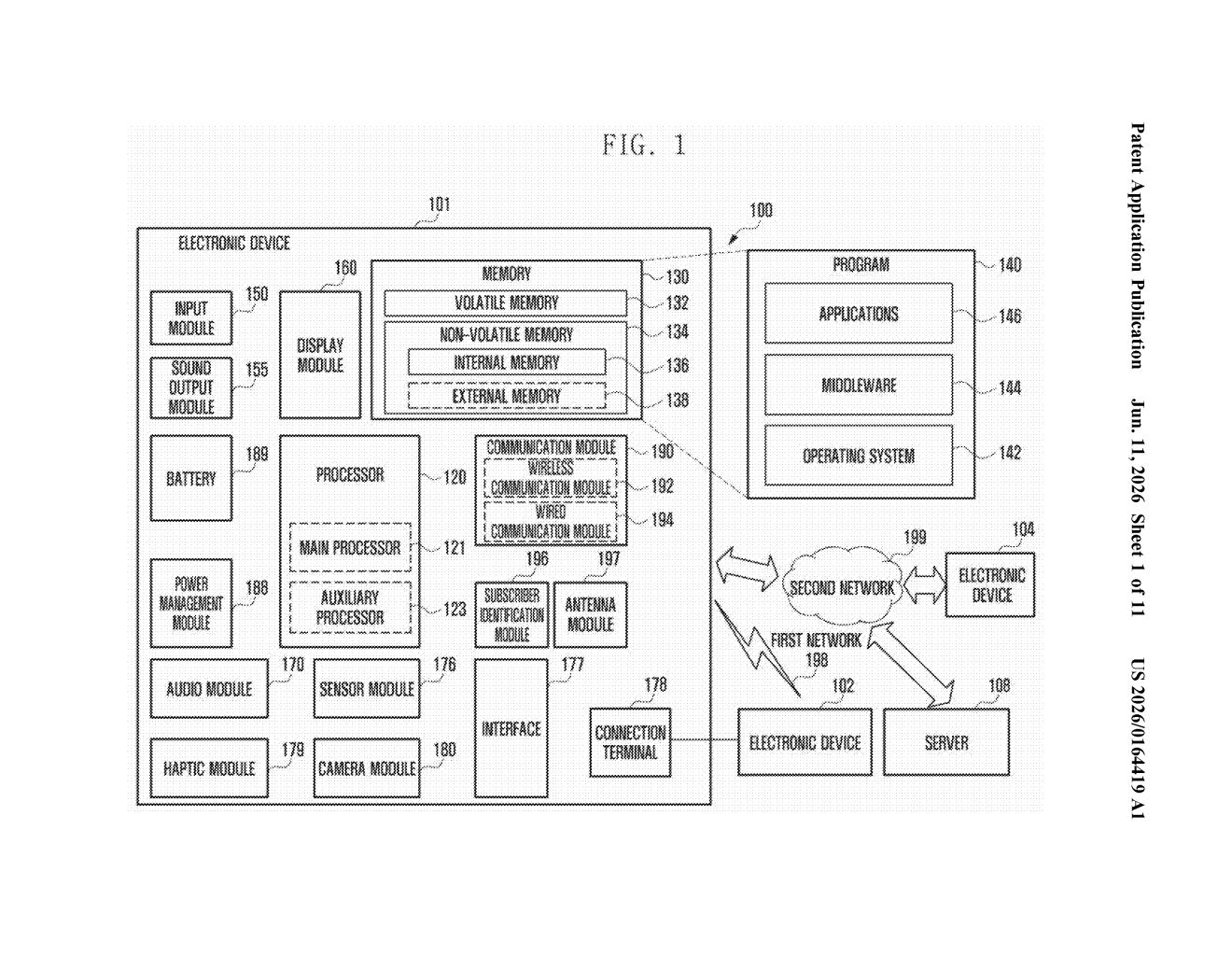
How Samsung's channel-picking system actually works for you
Imagine you're trying to share a large video from your phone to your tablet. The two devices need to agree on how to talk to each other, and if your tablet can only handle one radio frequency at a time, forcing it onto a busy channel could slow everything down or cause the connection to stumble.
Samsung's patent describes a smarter handshake. Before the main high-speed connection is established, your device uses a secondary wireless link to ask the other device a simple question: can you handle sending and receiving on two different frequency bands at the same time? Based on the answer, your device picks the best channel — one the other device can actually use well.
Think of it like a phone call where you first ask, "Do you speak French or English?" before launching into a full conversation. The result is a connection that's tuned to what both devices are capable of, rather than one that just hopes for the best.
How the two-radio handshake selects the right frequency band
The patent describes an electronic device equipped with two separate wireless radios. The first radio handles an initial discovery and signaling step — think of it as the introduction layer. The second radio is the workhorse, capable of transmitting and receiving on multiple frequency bands simultaneously (a technique sometimes called multi-link operation, where a device can use, say, 2.4 GHz and 5 GHz Wi-Fi at the same time).
Here's the sequence the patent outlines:
- The initiating device discovers a nearby external device using the first radio.
- It then receives performance information from that device — specifically, whether it supports simultaneous multi-band operation or is limited to one band at a time.
- Based on that capability report, the initiating device selects an appropriate frequency band or channel for the main connection.
- It sends that channel selection back to the other device over the first radio, and then both devices connect on the agreed channel via the second, faster radio.
The key insight is that the channel negotiation happens before the main data connection is established, using a lightweight signaling path rather than trial and error. This avoids the overhead of connecting on a channel the other device can't fully support, then having to renegotiate mid-stream.
What this means for Galaxy device pairing and data speeds
For everyday users, the practical payoff is faster and more reliable wireless transfers between Samsung devices — phones, tablets, laptops, and earbuds — without any manual fiddling. If you've ever had a file transfer stall or a wireless connection feel sluggish for no obvious reason, mismatched channel selection is often part of the problem.
Strategically, this fits Samsung's push to tighten up its Galaxy ecosystem. As Wi-Fi standards like Wi-Fi 7 introduce more complex multi-link operation features, being able to automatically downgrade or adapt the connection to match a less capable device becomes genuinely important. This patent lays groundwork for that kind of graceful, automatic compatibility.
This is unglamorous but useful infrastructure work — the kind of thing that, if it ships, quietly makes Galaxy device pairing less annoying without anyone noticing why. It's not a headline feature; it's the plumbing that makes headline features work reliably. Worth a note for anyone tracking Samsung's ecosystem strategy, but not a product story yet.
There are more where this came from
We read every patent application Big Tech publishes and send you the ones worth knowing. Plain English, free, every week.
Want this weekly breakdown for a company we don't cover? Patentlyze Pro →