
IBM Patents a Self-Driving Car That Reads Your Brain to Decide What to Do Next
IBM has patented a self-driving car system that doesn't just watch the road. It also watches your brain, using a headset to predict what you'd want the car to do before you even say anything.
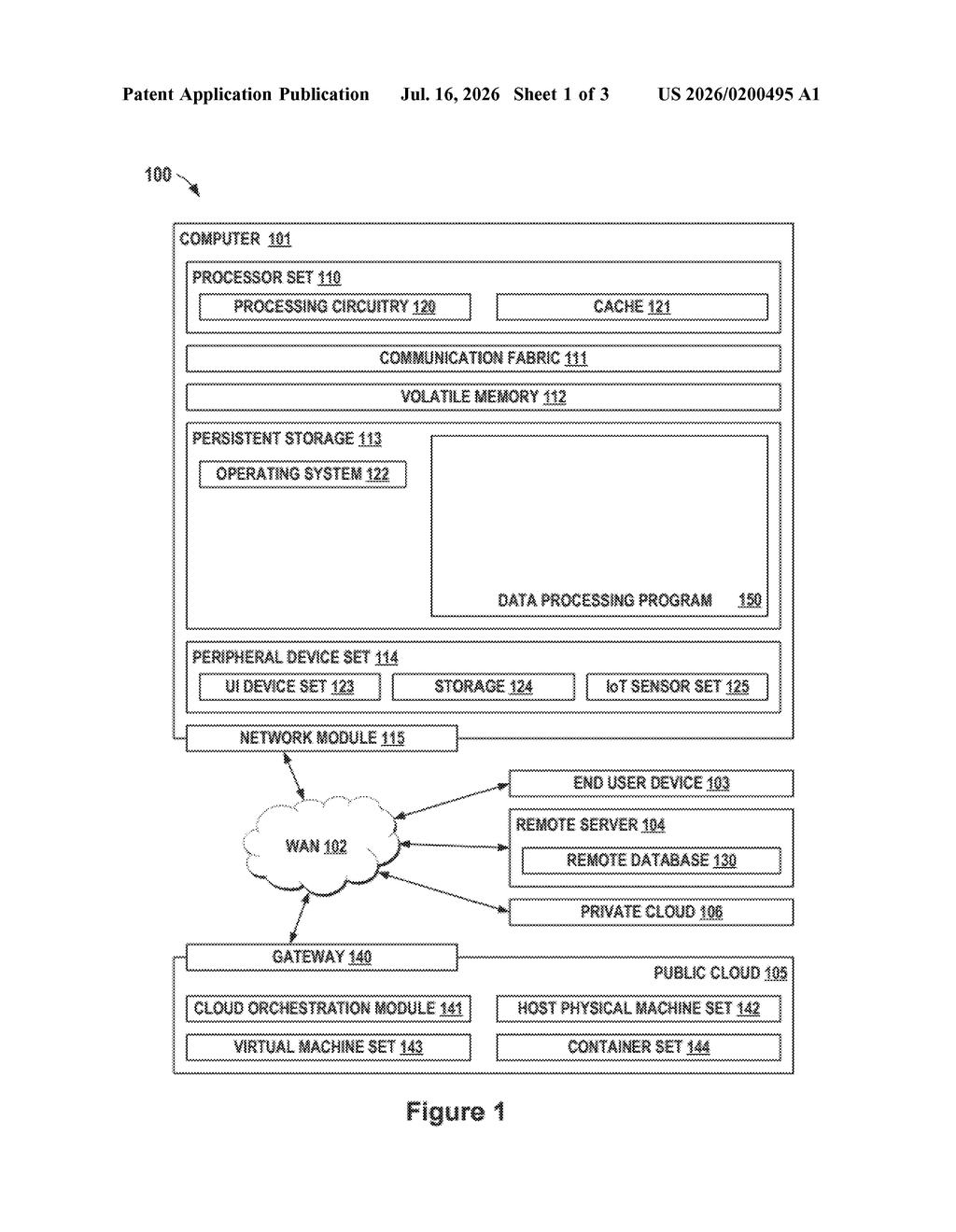
How IBM's brain-signal driving system actually works
Imagine you're in a self-driving car, and the car isn't just following GPS instructions. It's also wearing a small headset on you that reads your brain activity to figure out what kind of driver you are and what you'd expect the car to do in any given moment. That's the core idea in this IBM patent.
The system connects your autonomous car to a brain-computer interface (BCI) device, which is essentially a wearable that picks up electrical signals from your brain. The car combines those readings with sensor data from its cameras and other detectors to build a picture of your driving expectations. When it spots a traffic situation, it tries to predict what you would do, and if that action seems safe, the car just does it.
If the car doesn't have enough information to make a confident call, it actually prompts you to put the headset back on so it can get a better read. And if your predicted preference would be dangerous, the system overrides it with a safer action instead.
How the BCI feeds predictions into the vehicle's controls
At the technical core, the patent describes a brain-computer interface (BCI), a device worn on the head that detects electrical brain signals, paired with the vehicle's existing sensor suite (cameras, lidar, radar, and so on). Together these inputs form what the patent calls contextual data.
The system continuously processes that data to build a model of correlated driver behavior: essentially a learned profile of how a specific person tends to react to specific traffic situations. Over time, the car learns your preferences and translates them into predicted driver expectations for each new situation it encounters.
The decision logic works in three branches:
- If the predicted expectation is deemed safe, the car executes it automatically.
- If the predicted expectation is deemed unsafe, the car substitutes a pre-defined safety remedial action instead.
- If the system doesn't have enough data to predict confidently, it prompts the driver to wear the BCI device, essentially asking for more brain-signal input before proceeding.
The patent frames this as a way to give autonomous vehicles a sense of whose preferences they are serving, rather than acting on generic programmed rules alone. The BCI reading is what makes personalization possible without the driver needing to give verbal or physical commands.
What this means for the future of hands-off driving
The deeper tension in self-driving cars has always been trust: riders often feel the car doesn't drive quite the way they would, and that mismatch creates anxiety. IBM's approach attempts to close that gap by literally modeling the individual driver's instincts, not a generic average.
For regulators and safety advocates, the override logic matters just as much. The system's willingness to ignore a predicted driver preference when it's unsafe suggests IBM is trying to thread the needle between personalization and liability. Whether a brain-signal reading is reliable enough to stake a safety decision on is a very open question, but this patent plants IBM's flag in a space where most autonomous vehicle patents focus purely on the road environment, not the person sitting in the seat.
This is a genuinely unusual patent in the autonomous vehicle space. Most AV patents are about better object detection or path planning. IBM is filing on something much weirder: using your brain as a direct input channel. The practical hurdles are enormous (BCI headsets are clunky, signal quality varies, and most people won't wear one for a commute), but as a research direction it's worth tracking. IBM is clearly thinking about personalization as a differentiator in a market where most AV systems treat every rider identically.
There are more where this came from
We read every patent application Big Tech publishes and send you the ones worth knowing. Plain English, free, every week.
Want this weekly breakdown for a company we don't cover? Patentlyze Pro →
Be the first to weigh in