
Intel Patents a Self-Correcting Calibration Loop for Quantum Computer Qubits
Quantum computers are extraordinarily sensitive machines where the tiniest drift in a control signal can ruin a calculation. Intel's new patent describes a system that watches each qubit and automatically corrects those signals on the fly, without a human or a distant computer stepping in.
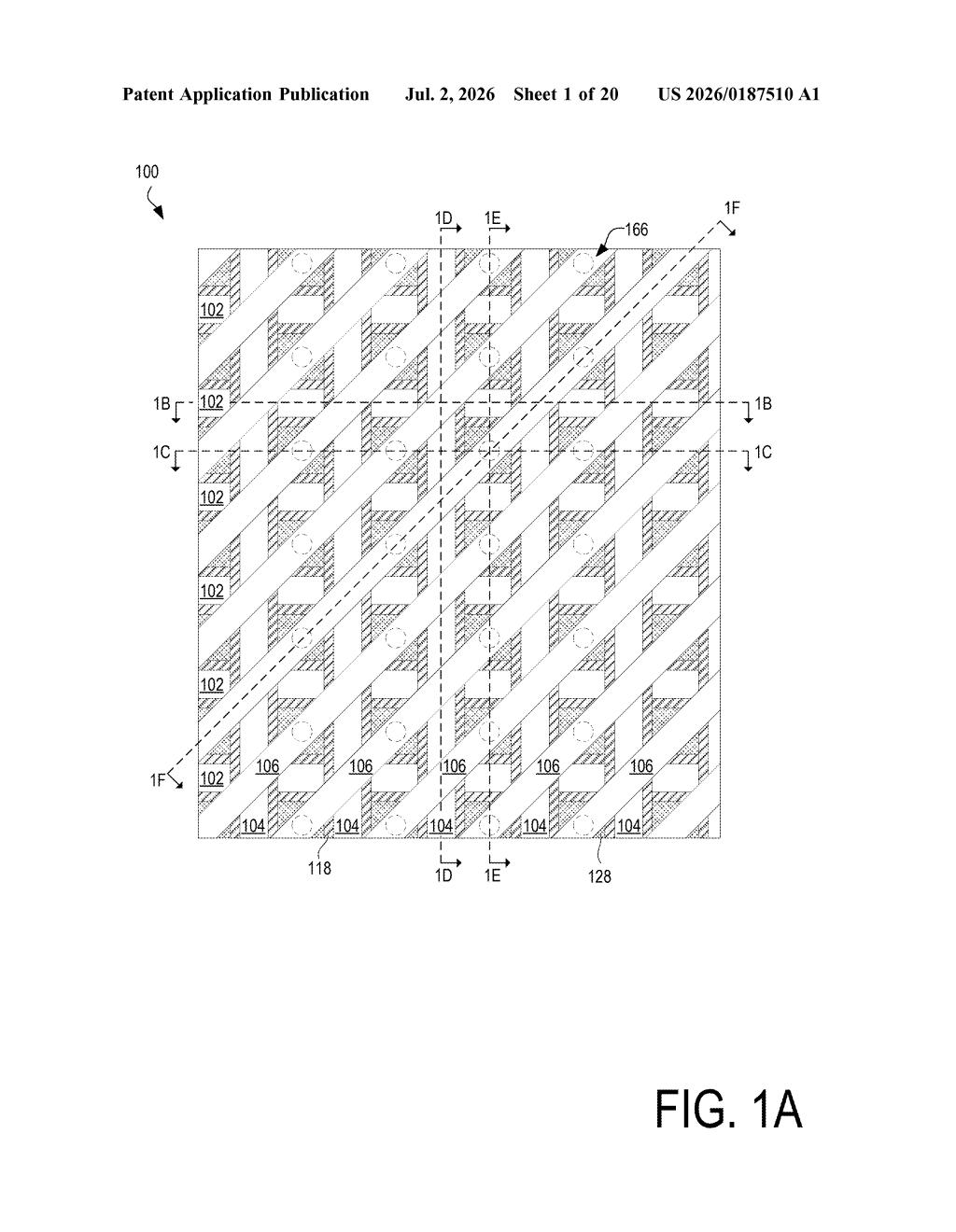
What Intel's qubit self-tuning system actually does
Imagine a musician who constantly goes out of tune. A good audio system would detect that drift and adjust the sound automatically, in real time, without stopping the performance. Intel is building something like that for quantum computers.
A quantum computer's basic unit, called a qubit, is incredibly fragile. The electrical pulses used to control it have to be almost perfectly shaped, and even small imperfections cause errors. Normally, tuning those pulses is slow, manual work that has to happen before the computer runs. Intel's patent describes circuitry that sends a pulse to a qubit, checks how the qubit responded, and then immediately adjusts the pulse for the next try, over and over in a tight loop.
The really clever part: this correction hardware sits right next to the qubit, even inside the super-cold chamber a quantum computer needs to operate. That cuts down the noise and signal delays that come from routing signals back to a warm room-temperature computer for processing.
How the feedback loop adjusts each qubit's control pulses
The patent describes a closed-loop calibration system for spin qubits (a type of qubit that encodes information in the quantum spin state of an electron). The core idea is a feedback cycle that runs continuously:
- Pulse generation: A pulse generator creates an electrical pulse shaped by a filter parameter (think of it as a dial controlling the pulse's frequency or amplitude profile).
- Qubit measurement: That pulse is sent to the qubit, which is then measured to check whether it flipped to the expected state.
- Parameter update: Based on whether the qubit responded correctly, the system adjusts the filter parameter and sends a new pulse. This loop repeats rapidly.
The calibration circuitry is designed to live inside the cryogenic stage of a quantum computer (the part cooled to near absolute zero), which keeps signal paths short and reduces interference from thermal noise and cross-talk between neighboring qubits.
The system is also designed to be multiplexed (meaning one set of calibration circuitry can be shared across several qubits in sequence), which is important for building quantum processors with many qubits rather than just a handful.
What this means for scaling quantum computers past lab-scale
One of the hardest engineering problems in quantum computing right now is keeping qubits calibrated at scale. The more qubits you add, the more time you spend tuning them, and that tuning time eats into the time the computer can actually do useful work. A system that calibrates continuously and automatically could shrink that overhead significantly.
For Intel, which has been developing its own spin-qubit platform, getting calibration right at the chip level is a prerequisite for building processors with hundreds or thousands of qubits. This patent suggests Intel is investing in the control-electronics layer of that stack, not just the qubit hardware itself, which is where a lot of the real engineering difficulty lives.
This is a genuinely important piece of plumbing for quantum computing, not a headline-grabbing demonstration of some new qubit type. Continuous, on-chip calibration is one of the unglamorous problems that has to be solved before quantum computers can scale to a useful size. Intel filing on this approach signals it is serious about the full hardware stack, not just the qubit itself.
Get our take in your Top Stories
Liked this breakdown? Add Patentlyze as a preferred source on Google, and our plain-English take shows up more often in your Top Stories the next time Intel patent news breaks.
There are more where this came from
We read every patent application Big Tech publishes and send you the ones worth knowing. Plain English, free, every week.
Want this weekly breakdown for a company we don't cover? Patentlyze Pro →