
Intel's New Patent Replaces Quantum Computer Wiring with Beams of Light
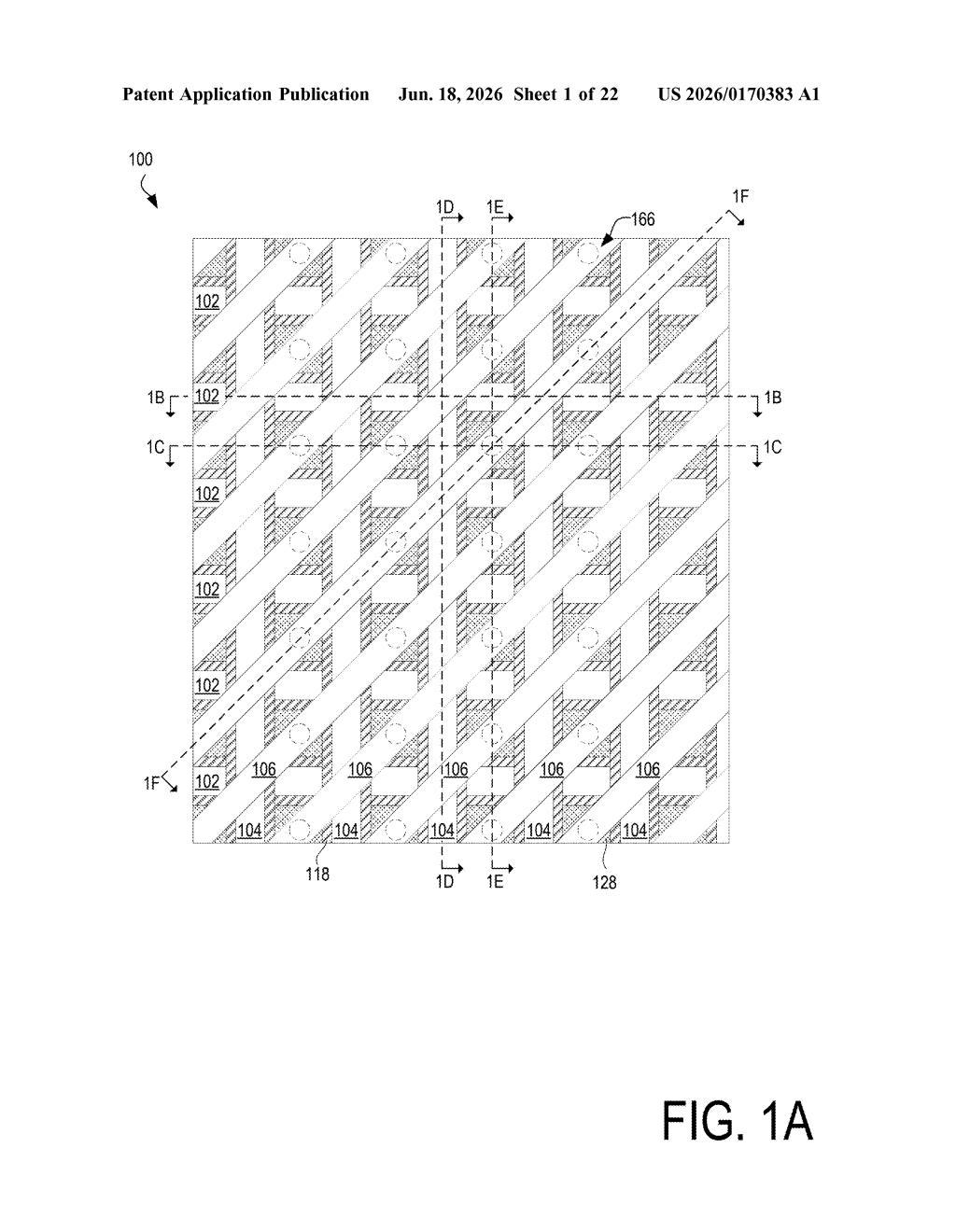
How Intel wants light pulses to run a quantum chip
Quantum computers are extraordinarily sensitive machines. The qubits at their core — the basic units that do the computation — can be disturbed by almost anything, including the heat and electrical noise generated by the wires that are supposed to control them. That's a real problem when you're trying to build a system that actually works reliably.
Intel's patent describes a way to control those qubits using pulses of light carried by optical fiber rather than electrical signals traveling through metal wires. Tiny components called photodiodes sit right on the quantum chip and convert incoming light flashes into the small electrical charges needed to tell a qubit what to do. One type of flash adds charge; another type removes it — giving engineers a precise way to dial a qubit's state up or down.
The patent also covers the reverse: reading out what a qubit is doing by having it influence a light signal that can be measured outside the cold environment. If it works, the approach could let engineers keep the noisy, heat-generating electronics far away from the quantum chip itself.
How photodiodes translate light flashes into qubit commands
The patent describes two related ideas for connecting a quantum processor to the outside world using light rather than conventional electrical wiring.
Qubit control via photodiodes: An optical fiber delivers light pulses to a quantum processor package. Two photodiodes — semiconductor devices that convert light into electrical current — are wired to a qubit gate (the electrical node that sets a qubit's state). The first photodiode is connected so that a light pulse adds charge to the gate, raising its voltage. The second is wired the opposite way, so a light pulse removes charge, lowering the voltage. By firing light pulses on one or the other, the system can push the qubit's gate voltage up or down with precision.
Qubit readout via optical modulation: To figure out what state a qubit is in — the other half of quantum computing — the patent proposes using a single-electron transistor (a device so sensitive it can detect the movement of a single electron) coupled to the qubit. That transistor's output drives a modulator, a component that changes a property of a light beam based on an electrical signal. By measuring how the outgoing light beam has changed, an instrument outside the cold quantum chip can determine the qubit's current state without needing to run conventional electrical signal lines deep into the cryogenic environment.
The core appeal is thermal and electrical isolation: optical fiber generates virtually no heat and carries no electrical interference — two major threats to qubit stability.
What light-based control means for quantum computing hardware
Quantum computers that use superconducting or spin qubits typically operate near absolute zero — colder than outer space. Running conventional copper wires into that environment to control thousands of qubits introduces heat and interference that degrades performance. That wiring challenge is widely considered one of the central obstacles to scaling quantum computers beyond a few hundred qubits.
Light-based control and readout is a real research direction in the quantum computing field, and Intel filing a structured patent around it signals that the company sees it as a path worth protecting. If this approach pans out in hardware, it could meaningfully reduce the physical complexity of connecting a quantum chip to its control electronics — which matters for your future access to useful quantum computing, since scale is what determines when these machines become practically valuable.
This is a substantive patent, not a defensive placeholder. The specific circuit configuration — using opposing photodiode polarities to increment or decrement gate voltage — is a concrete engineering idea, not a vague concept. Whether Intel can make it work reliably at cryogenic temperatures is a separate question, but the problem it's trying to solve is real and well-recognized in the field.
There are more where this came from
We read every patent application Big Tech publishes and send you the ones worth knowing. Plain English, free, every week.
Want this weekly breakdown for a company we don't cover? Patentlyze Pro →