
Samsung Patents a Pixel-Level Sensing Circuit for Sharper OLED Displays
Samsung Display has filed a patent for a sensing circuit built directly into each pixel that can read back how the display element is actually performing — a step toward more accurate real-time compensation in OLED panels.
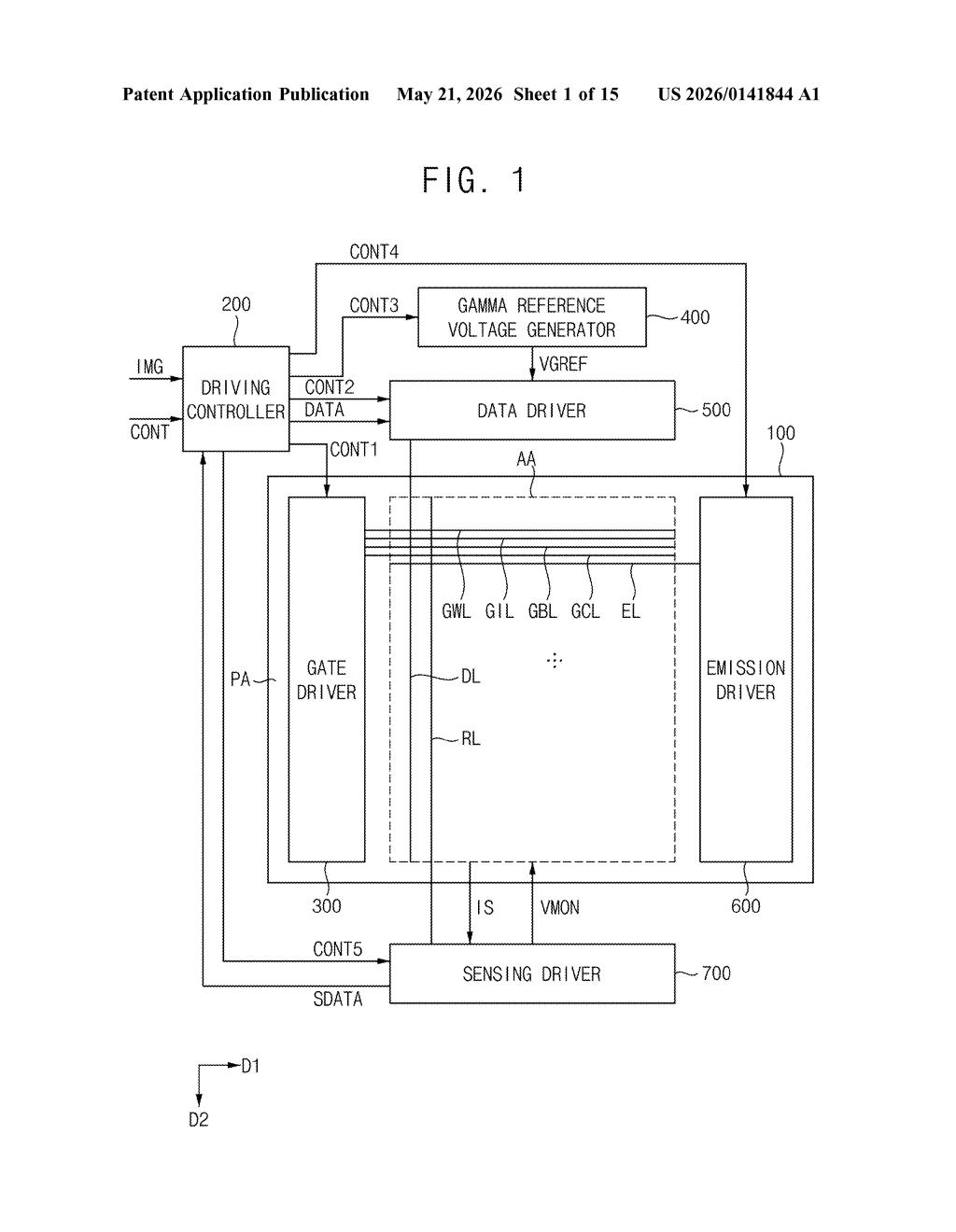
What Samsung's pixel sensing circuit actually does
Imagine your TV slowly developing uneven brightness across the screen over time — some pixels aging faster than others. The picture starts looking patchy, and there's nothing you can do about it. That's a real, known problem with OLED displays, and it's why display makers invest heavily in compensation systems.
Samsung's patent describes a sensing circuit that sits right inside each pixel alongside the normal display circuitry. It can read the electrical state of that pixel — essentially checking how the light-emitting element is behaving — and feed that data back to the display driver. Your display can then adjust the signal going to each pixel to keep brightness and color consistent.
The clever part is how the sensing circuit reuses the same writing gate signal that already controls when a pixel receives image data. By piggybacking on that existing control line, Samsung avoids adding extra wiring complexity to an already tightly packed pixel layout.
How the dual switching elements read pixel state
The patent describes a display panel architecture combining two subsystems per pixel: a standard pixel circuit (light-emitting element plus a driving transistor that controls current flow) and a new sensing circuit that taps into the pixel's electrical state.
The sensing circuit has two switching elements (transistors):
- A first sensing switching element that connects a reference power voltage to an internal node (called the fourth node), effectively pre-charging it to a known baseline.
- A second sensing switching element whose gate (control electrode) is driven by the same writing gate signal used by the pixel's data-write transistor. This transistor connects that internal node to a readout line, which carries the sensed voltage back to external measurement circuits.
By sharing the writing gate signal, the sensing read-out happens in sync with normal pixel programming cycles. The voltage appearing on the readout line reflects the characteristics of the driving transistor — things like threshold voltage drift (how a transistor's behavior shifts as it ages), which is a primary cause of OLED panel non-uniformity over time.
That readout data feeds a gamma reference voltage generator and emission driver (both referenced in the patent) which can then correct the driving signal per pixel, keeping luminance uniform across the panel's lifetime.
What this means for OLED panel compensation accuracy
OLED panel degradation and pixel non-uniformity are persistent challenges for display makers. Real-time, per-pixel sensing is the most direct way to counteract them — but fitting sensing circuitry into the tiny space of a pixel without adding new control lines is an engineering constraint that limits how sophisticated those circuits can be. Samsung's approach of reusing the existing write gate signal for sensing control is a practical, area-efficient answer to that constraint.
For you as a consumer, this kind of technology is what underpins long-term display quality in high-end OLED TVs, monitors, and smartphones. Panels that can measure and correct for their own aging stay visually consistent years longer than those that can't. This patent suggests Samsung Display is iterating on the internal architecture of that compensation pipeline.
This is deep display engineering — the kind of incremental but important work that separates premium panels from budget ones over a multi-year ownership horizon. It's not a flashy new feature you'll see in a press release, but it's exactly the type of pixel-circuit refinement that explains why Samsung Display panels tend to age better than cheaper alternatives. Worth noting for anyone tracking OLED technology progression.
Get our take in your Top Stories
Liked this breakdown? Add Patentlyze as a preferred source on Google, and our plain-English take shows up more often in your Top Stories the next time Samsung patent news breaks.
There are more where this came from
We read every patent application Big Tech publishes and send you the ones worth knowing. Plain English, free, every week.
Want this weekly breakdown for a company we don't cover? Patentlyze Pro →