
Sony Patents a Dual-Pixel Sensor Design That Splits Brightness and Color Capture for Car Cameras
Most camera sensors make every pixel do double duty — capture both brightness and color at the same time. Sony's new patent proposes splitting that job across two different kinds of pixels, optimizing each for what it does best.
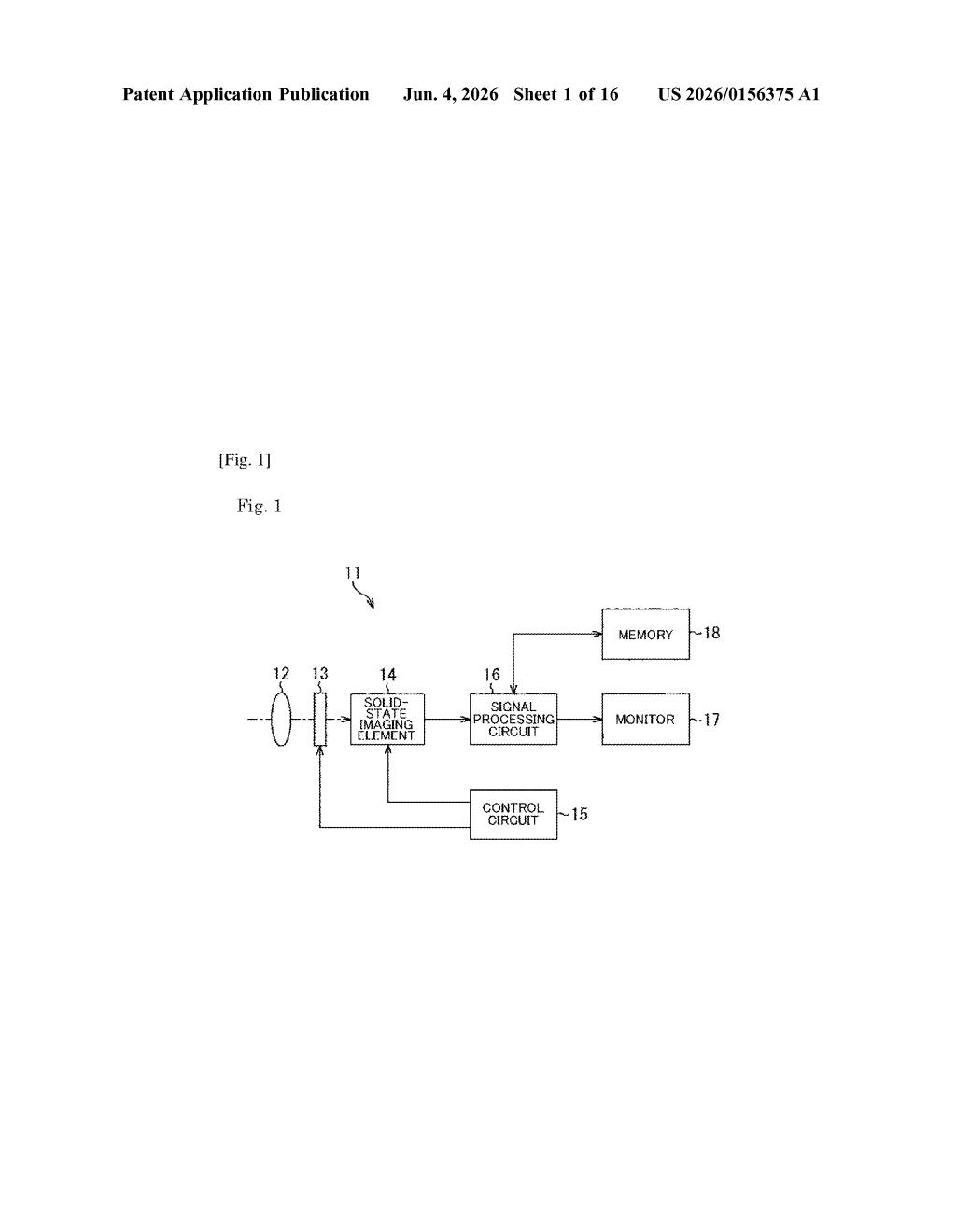
What Sony's main-pixel and sub-pixel sensor split actually does
Imagine trying to read a road sign at night while also identifying its color. Those are two very different visual tasks, and doing both at once forces a camera sensor to make trade-offs. Sony's patent describes a sensor design that handles them separately.
The sensor has two types of pixels: main pixels and sub-pixels. More than half the main pixels use clear, yellow, or no color filters at all — meaning they let in as much light as possible to capture brightness and detail. The sub-pixels, meanwhile, carry the color filters (red, green, blue) and handle color information. A processor then combines signals from both to produce a full image.
The patent specifically calls out automotive camera systems as the target use case. Cars need cameras that work reliably in dark parking garages, bright midday sun, and everything in between. Separating brightness capture from color capture could help those systems stay sharp across a much wider range of lighting conditions.
How the clear-filter main pixels and color sub-pixels divide the work
The core idea is a pixel array with two distinct pixel classes. Main pixels — the majority — are optimized for luminance (brightness) by using clear filters, yellow filters, or no filter at all. Yellow and clear filters block very little light, so these pixels gather the maximum possible photon count, which improves sensitivity and reduces noise in low-light conditions.
Sub-pixels carry traditional RGB color filters (red, green, blue) and provide the color information the main pixels can't. The arrangement means color resolution is effectively sub-sampled relative to luminance resolution — a trade-off common in professional video formats and human vision itself (our eyes have far more brightness-sensitive rods than color-sensitive cones).
A downstream processor generates final image data by combining the two pixel types. The patent describes using interpolation (an algorithm that estimates missing values by looking at neighboring pixels) to fill gaps — calculating intermediate main-pixel signals for positions between physical main pixels, and doing the same for sub-pixels. This reconstructs a full-resolution image from a sensor that has intentionally traded color density for light sensitivity.
The patent explicitly targets vehicle control systems that can ingest the resulting image data to make autonomous or driver-assist decisions — think lane detection, pedestrian recognition, and traffic sign reading.
What this means for automotive camera systems and self-driving vision
For automotive cameras, dynamic range and low-light performance are safety-critical, not just nice-to-haves. A sensor that dedicates the bulk of its pixels to capturing raw light — rather than splitting every pixel between brightness and color — could deliver more reliable images in the edge-case lighting situations where ADAS systems tend to fail. That's the engineering argument Sony is making here.
This also fits into a broader industry trend of specialized pixel architectures for machine vision rather than human viewing. Your phone's camera is optimized to produce images that look good to you. A car's camera needs to produce data that a neural network can trust at 100 mph in the rain. Those are different problems, and Sony — one of the world's dominant image sensor suppliers — is clearly investing in purpose-built designs for the automotive segment.
This is a sensible, incremental engineering bet on a real problem in automotive imaging. It's not a moonshot — separating luminance and chrominance capture has deep roots in imaging science — but applying it at the pixel-architecture level for car cameras is worth watching. Sony already supplies sensors to a huge chunk of the automotive industry, so a filing like this is more likely to ship than to sit on a shelf.
There are more where this came from
We read every patent application Big Tech publishes and send you the ones worth knowing. Plain English, free, every week.
Want this weekly breakdown for a company we don't cover? Patentlyze Pro →