
Samsung Patents a Way to Turn Unused SSD Space into Extra RAM
What if your SSD could quietly donate its unused elbow room to your system's RAM pool? That's the core idea behind Samsung's latest storage patent — a controller smart enough to reclaim space that compression freed up and hand it back to the host as extra buffer memory.
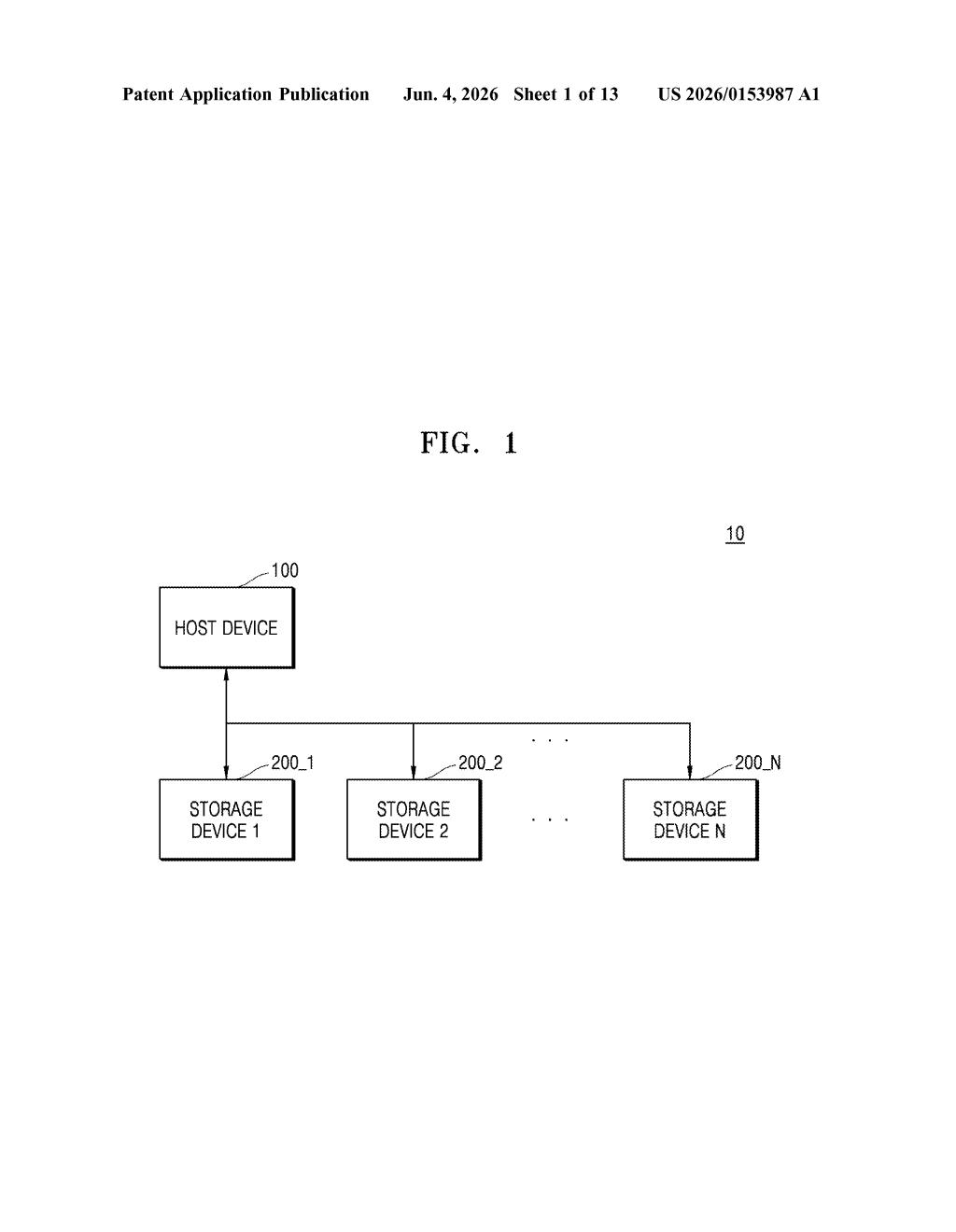
What Samsung's compression-reclaimed RAM trick actually does
Imagine your computer is juggling a lot of tasks and starts running low on working memory (RAM). Meanwhile, your SSD has been compressing your files so efficiently that a chunk of its reserved storage space is just sitting empty. Normally, that spare space does nothing useful for RAM pressure — it's just insurance headroom inside the drive.
Samsung's patent describes a storage controller that watches two things: how much of the drive has actually been used at its peak, and how well it's currently compressing your data. If those numbers show there's genuinely spare capacity, the controller converts that unused flash space into additional buffer memory for the host device — essentially lending it out as overflow RAM.
The drive then tells the host system exactly how much extra space it's making available, so the host can use it. When conditions change — say, you fill the drive up more or compression ratios drop — the reserved space can be reclaimed. It's a dynamic, feedback-driven way to squeeze more effective memory out of the same hardware.
How the controller calculates and lends spare flash space
The patent centers on a storage controller that continuously monitors two metrics to make its lending decision:
- Previous maximum usage of the non-volatile memory — a high-water mark showing how full the drive has ever gotten, used as a conservative ceiling.
- Compression ratio of the data currently being written — how much smaller the compressor is making the data before it lands on flash.
By combining these two numbers, the controller can estimate a safe compression reserved space — the gap between what the drive might realistically need and what it actually has. That gap gets reframed as additional buffer memory and its size is transmitted to the host device via a dedicated information channel.
The host (a CPU, SoC, or operating system) can then map that space into its memory hierarchy, effectively treating a slice of the SSD as fast overflow storage. The mechanism is adaptive: as real usage climbs or compression efficiency drops, the advertised extra space shrinks accordingly, preventing the drive from over-committing.
This builds on concepts related to host memory buffer (HMB) — a technique NVMe drives already use to borrow a bit of host DRAM for their own caching — but flips the direction: here the drive is the lender, not the borrower.
What this means for memory-constrained devices and PCs
For memory-constrained devices — think thin laptops, embedded systems, or budget PCs with soldered-down RAM — this kind of dynamic capacity sharing could meaningfully reduce the pain of low-memory situations without any hardware change. If the drive can reliably lend even a few hundred megabytes back to the system when compression is running hot, that's headroom the OS can use for page caches, application buffers, or virtual memory overflow.
The broader implication is a tighter, more cooperative relationship between storage and memory at the firmware level. Samsung is one of the world's largest NAND flash and DRAM manufacturers, so a patent that straddles both domains is worth watching. Whether this surfaces in a future NVMe spec contribution, a proprietary Exynos-paired storage solution, or consumer SSDs remains to be seen.
This is a genuinely clever piece of systems engineering — not flashy, but the kind of low-level optimization that can have outsized impact on devices where you can't just slot in more RAM. The adaptive feedback loop (peak usage + live compression ratio) is the interesting bit; it's more conservative and practical than earlier static approaches to SSD-as-RAM schemes. Worth watching if you follow NVMe feature evolution or Samsung's vertical integration strategy.
There are more where this came from
We read every patent application Big Tech publishes and send you the ones worth knowing. Plain English, free, every week.
Want this weekly breakdown for a company we don't cover? Patentlyze Pro →