
Google Patents a Lock Screen That Lets Guests Control Your Smart Home Without a Password
Google is working on a way to let anyone in your house — without a PIN or fingerprint — control your smart home devices from a locked, docked tablet. Think of it as a guest-friendly kiosk mode that lives right on your lock screen.
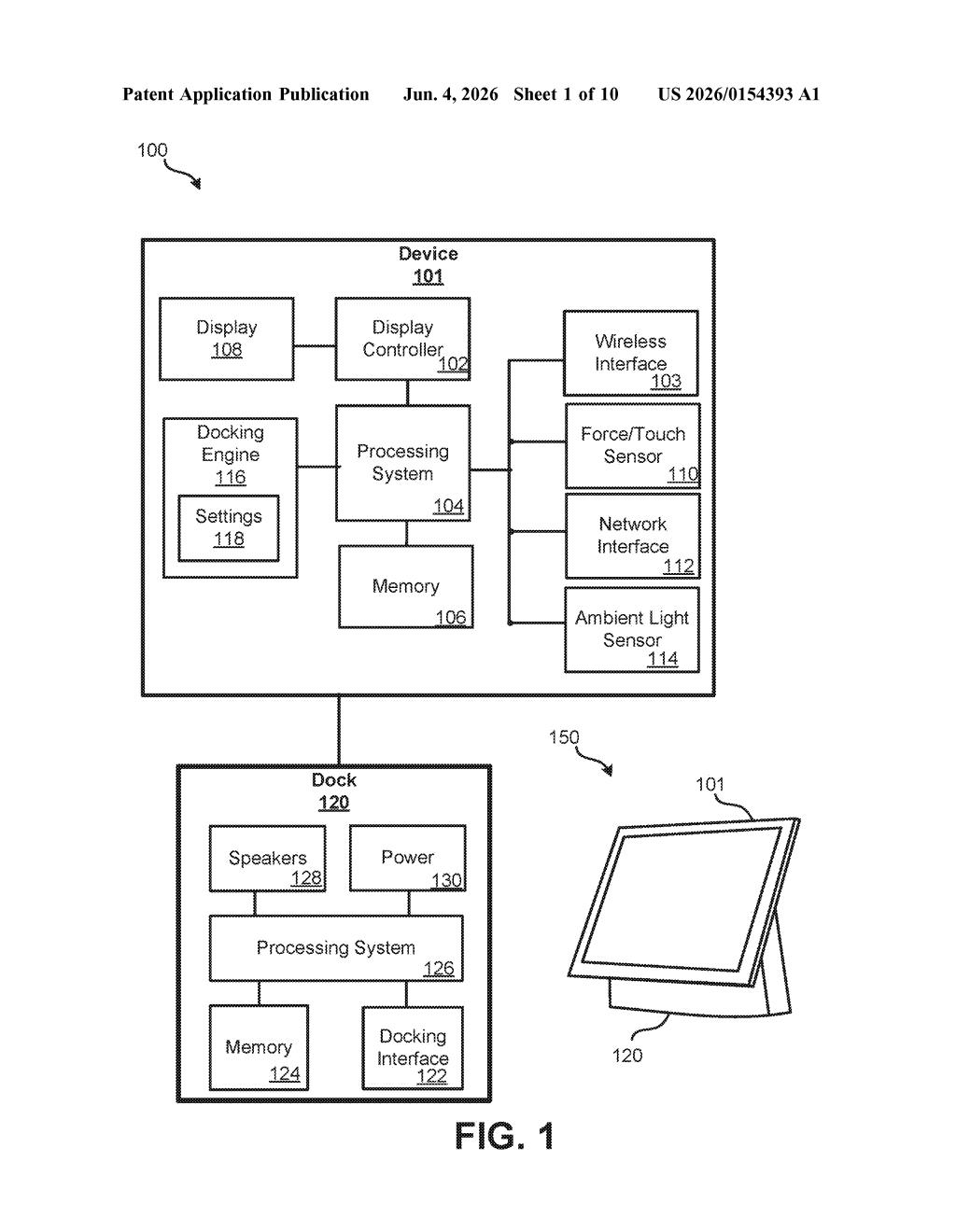
What Google's docked tablet lock screen actually does
Imagine your tablet is sitting in its dock on the kitchen counter, screen facing out. Right now, if it's locked, anyone who isn't you is mostly stuck. They can't play music, set a timer, or turn off the living room lights without your password.
Google's patent describes a docked mode that kicks in automatically the moment a tablet lands in its dock. In this mode, the lock screen transforms into a smart home control panel — with shortcut buttons for connected devices like lights, speakers, and thermostats. Anyone in the room can tap those shortcuts and send commands directly to those devices, no authentication required.
You still control which features are accessible to unauthenticated users, so your private stuff stays locked away. It's the difference between handing a house guest a light switch and handing them your front door key.
How the tablet switches modes when it hits the dock
When the patent's system detects that a tablet has been physically docked, it automatically switches the device into a docked operating mode. This is a distinct software state — not just a screensaver or ambient display — that changes what unauthenticated users (people who haven't unlocked the device) can actually do.
In docked mode, the display shows a smart home interface populated with shortcut UI elements, each mapped to a specific connected device on the same network. Tapping one of those shortcuts sends a direct command to the corresponding device — so a guest can tap a tile to pause the Spotify speaker in the living room without ever seeing your home screen.
The patent also covers authenticated users, suggesting the system layers on more functionality once someone does unlock the tablet — potentially showing personalized dashboards or more sensitive controls.
The access model described includes:
- Unauthenticated access to selected, pre-approved functionality types (music, timers, video streaming, virtual assistant queries)
- Smart home shortcut tiles for networked devices
- A command-dispatch path from the tablet to the target device via the local network
- Automatic mode switching triggered by dock detection — no manual toggle needed
What this means for Pixel Tablet and shared households
For anyone who owns a Pixel Tablet — Google's only device that ships with a dock — this is a direct software upgrade to the device's core "hub mode" pitch. Right now, the Pixel Tablet's docked experience is limited to authenticated owners. A lock-screen smart home panel would make it genuinely useful as a shared household device, not just a personal tablet parked on a stand.
More broadly, this patent signals that Google sees docked tablets as a real smart home hub category — not just a form factor experiment. If this ships, it closes the gap between a Google Nest Hub (purpose-built, always-on, no auth required) and a docked Pixel Tablet, which has more power but currently demands a login to do much of anything.
This is one of the more practically useful patents Google has filed in a while. The Pixel Tablet's dock-as-hub concept was always compelling on paper but awkward in shared homes — this fixes the most obvious friction point. The fact that there are eight inventors listed across UX and engineering suggests this is deeper than a paper filing.
There are more where this came from
We read every patent application Big Tech publishes and send you the ones worth knowing. Plain English, free, every week.
Want this weekly breakdown for a company we don't cover? Patentlyze Pro →