
A New Google Patent Picks Which Voice Assistant Gets Priority on Each Speaker
If your home has several speakers and displays, each one could run more than one assistant. A new Google patent application decides which assistant gets first claim on a device's limited memory and chips.
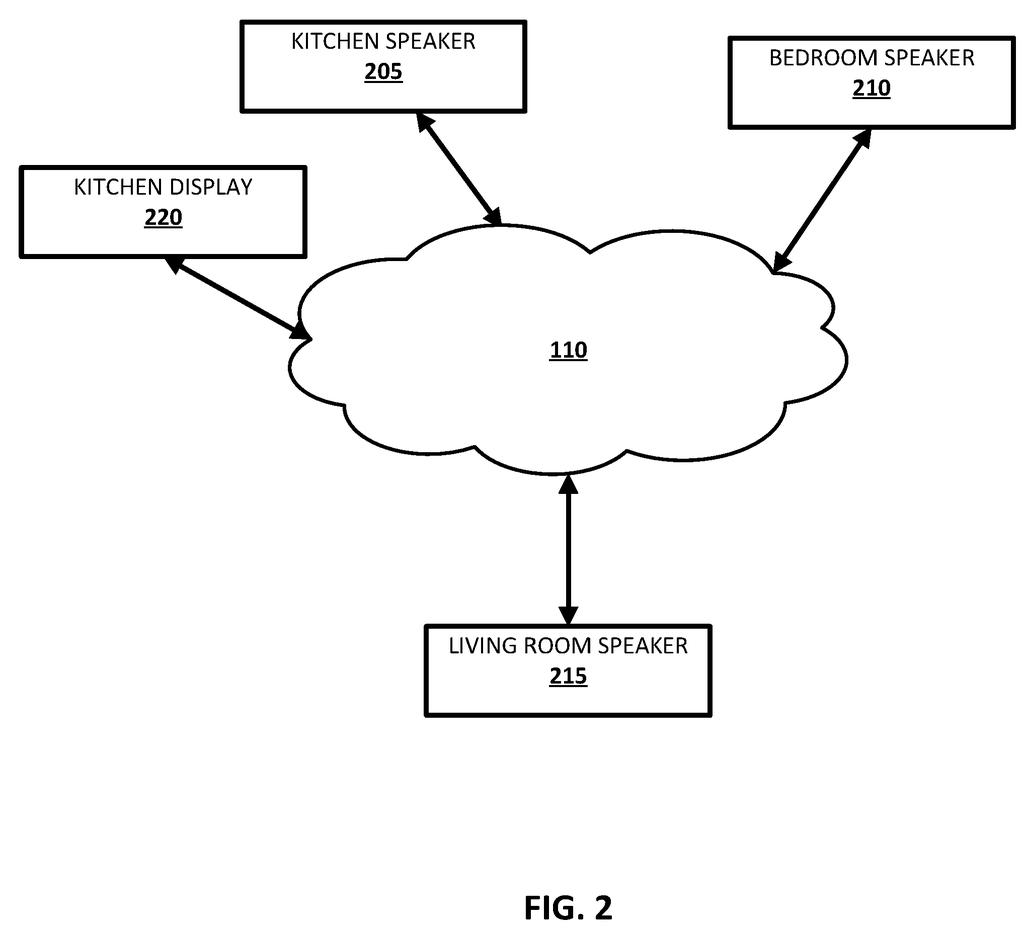
What Google's main-assistant picker actually does
Imagine you buy a new display for your kitchen counter. It can run a cooking assistant, a music assistant, and a general-purpose one, but it only has so much memory and processing power to go around. Right now, those assistants could end up fighting over it, and the one you actually want might be slow to answer.
Google's filing describes a referee. The device (or another device in your home) gives each assistant a suitability score, then crowns one the primary assistant. That one gets first pick of memory and hardware, while the others share the leftovers.
The score can draw on what you've asked the device before, how it's labeled (say, "kitchen speaker"), what's sitting nearby, and how demanding each assistant is. The claims focus on that last factor: how much computing power each assistant needs.
determining, for the plurality of automated assistants, an extent of computing resources required for each of the plurality of automated assistants to be used in processing requests received at the client device …
Translation: The system checks how much processing power each assistant needs to handle user requests on the speaker.
How a device scores and ranks its assistants
The claims describe a simple chain. A device identifies the assistants it can run, works out how much computing power each one needs to handle requests, and picks a primary assistant partly based on that number. Then the primary assistant handles your request.
Several dependent claims add detail:
- The device compares what an assistant needs against what the device has available, including memory.
- If the device has more spare resources than other gadgets in the same home (the filing calls this a shared ecosystem), a more demanding assistant can land there.
- A machine learning model (software trained to spot patterns) can take in the resource figures and spit out a number, which is used to choose.
The description goes further than the claims. It talks about scoring from 0.0 (unsuitable) to 1.0 (very suitable), ranking assistants per device, and avoiding giving the same primary assistant to every device in a room so you always have options. It also says the choice can be redone when you add a new device, after enough requests build up, or at different times of day.
Once chosen, the primary assistant wins any tie. If two assistants both want the last free memory or the same audio chip, the primary gets it.
An affinity score is generated for each of a plurality of candidate automated assistants that are capable of executing on the automated assistant device.
Translation: The speaker calculates a compatibility score for every voice assistant available on the device.
Why this matters for your speakers and displays
The practical pitch is a faster, more dependable answer from the assistant you use most on a given device. If you say "set a timer" in the kitchen, the cooking assistant shouldn't be waiting behind a music assistant for memory.
It also hints at a future where one household runs several assistants side by side, with the devices sorting out who does what. The filing says this could cut processing time and reduce the chance you repeat the same request. It's a behind-the-scenes feature: you'd mostly notice it by not noticing lag.
Google's 23rd filing we've tracked since July in the AI chip wars follows its work on math-order chip logic and camera AI standby.
Of everything in this filing, the shipping path is short. The invention is pure software, deciding which assistant gets memory and processing time on devices that already exist. No new chip, no new microphone, no new hardware of any kind needs to be built first.
The real obstacle is the premise. None of this scoring and prioritizing matters until a home is actually running several competing assistants on one device, which is not how most households work today.
So the realistic near-term version is modest: a single speaker deciding how to divide its resources between a main assistant and a secondary one. The bigger vision, where a whole household reshuffles assistant priority as it grows, depends on other companies' software playing along. This is sensible plumbing built slightly ahead of the pipes it connects to.
Get our take in your Top Stories
Liked this breakdown? Add Patentlyze as a preferred source on Google, and our plain-English take shows up more often in your Top Stories the next time Google patent news breaks.
There are more where this came from
We read every patent application Big Tech publishes and send you the ones worth knowing. Plain English, free, every week.
The drawings
4 drawing sheets from US 2026/0331108 A1 · click any drawing to enlarge


Want this weekly breakdown for a company we don't cover? Patentlyze Pro →
Be the first to weigh in