
Google Patents a QR Code System That Shares Alias Emails Instead of Your Real Address
Google has filed a patent for a QR code that hands out a fake-but-functional email address when someone scans it — so you can network freely without handing strangers your real inbox.
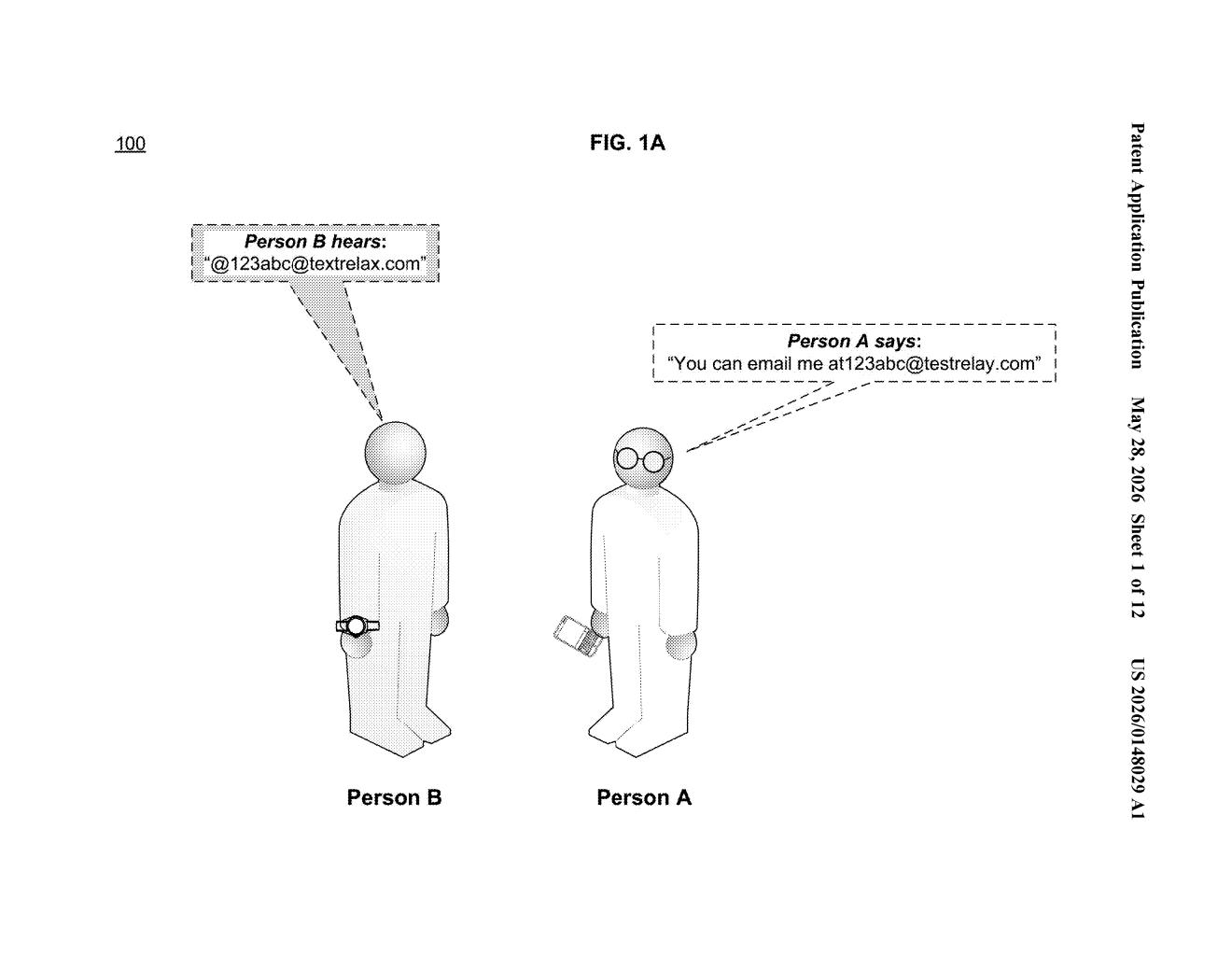
What Google's aliased email QR code actually does
Imagine you're at a conference and someone asks for your email. You could hand over a business card with your real address — and then spend the next month drowning in cold pitches. Google's patent describes a smarter handoff: a QR code that gives the other person a disposable alias address that quietly forwards to your real inbox.
When someone scans your code, they either get an email draft pre-filled with your alias (so they can message you right away) or a web page showing your selected contact details. You stay reachable without exposing your actual address. If the alias starts attracting junk, you can kill it — your real email stays untouched.
This is the same concept behind Apple's Hide My Email and services like SimpleLogin, but baked into a shareable QR code you can flash from your phone. Google is betting that combining alias email with a scannable code makes private networking feel as frictionless as tapping phones together.
How the alias-to-QR code pipeline works
The patent describes a two-step generation process. First, the system creates an aliased email address — one that is deliberately uncorrelated from your actual address (meaning it shares no obvious string, domain pattern, or identifier that would let a recipient reverse-engineer your real one). Second, it generates a machine-readable code (the filing uses QR code as the primary example) that encodes both the alias and a curated set of profile information you choose to share.
When another person captures the code with their device, one of two things happens:
- An email template opens on their device, pre-filled with your alias address — they just type a message and hit send.
- A web link opens, showing the profile information you've chosen to make visible (name, job title, social handles, etc.).
The alias acts as a forwarding layer — mail sent to it reaches your real inbox, but the sender never learns your underlying address. The patent notes the alias and code can be tied to selected contact info, implying you can have multiple codes with different privacy levels (one for colleagues, one for strangers at an event).
The system is designed for real-time, in-person sharing — think of it as a privacy-preserving digital business card that lives on your phone's lock screen or in a wallet app.
What this means for email privacy and spam control
For everyday users, this kind of system would make it much easier to share contact info without the usual tradeoff: either you give someone your real address (and accept the spam risk) or you awkwardly dodge the question. A scannable alias removes that friction — you control whether the alias stays active, and you can revoke it if things go sideways.
From a strategic standpoint, Google already operates Gmail and has experimented with aliasing features. A QR-code-native alias system would fit naturally into products like Google Wallet or the Google Contacts app. It also puts Google in more direct competition with Apple's Hide My Email feature, which has become a quiet selling point for iCloud+ subscribers. Whether this ships as a standalone feature or a backend service for third-party apps, the patent stakes out clear territory in the privacy-first contact sharing space.
This is a genuinely useful idea, not a speculative moonshot. Alias email is a proven privacy tool — the interesting part here is pairing it with QR codes for frictionless in-person sharing, which none of the major platforms have done cleanly yet. If Google ships this inside Gmail or Google Wallet, it could become the default way people exchange contact info at events.
There are more where this came from
We read every patent application Big Tech publishes and send you the ones worth knowing. Plain English, free, every week.
Want this weekly breakdown for a company we don't cover? Patentlyze Pro →