
IBM Patents a Method for Teaching AI Models to Selectively Forget
AI models are notoriously bad at forgetting. IBM is filing patents on a system that lets you surgically remove information from a trained model without starting over from scratch.
What IBM's AI "forgetting" system actually does
A hospital trains an AI system on patient records, then a patient asks for their data to be deleted. The hospital has a problem: you can't just hit "undo" on a trained AI the way you'd delete a file. The AI has absorbed that information into millions of tiny numerical settings that don't map neatly back to any one person.
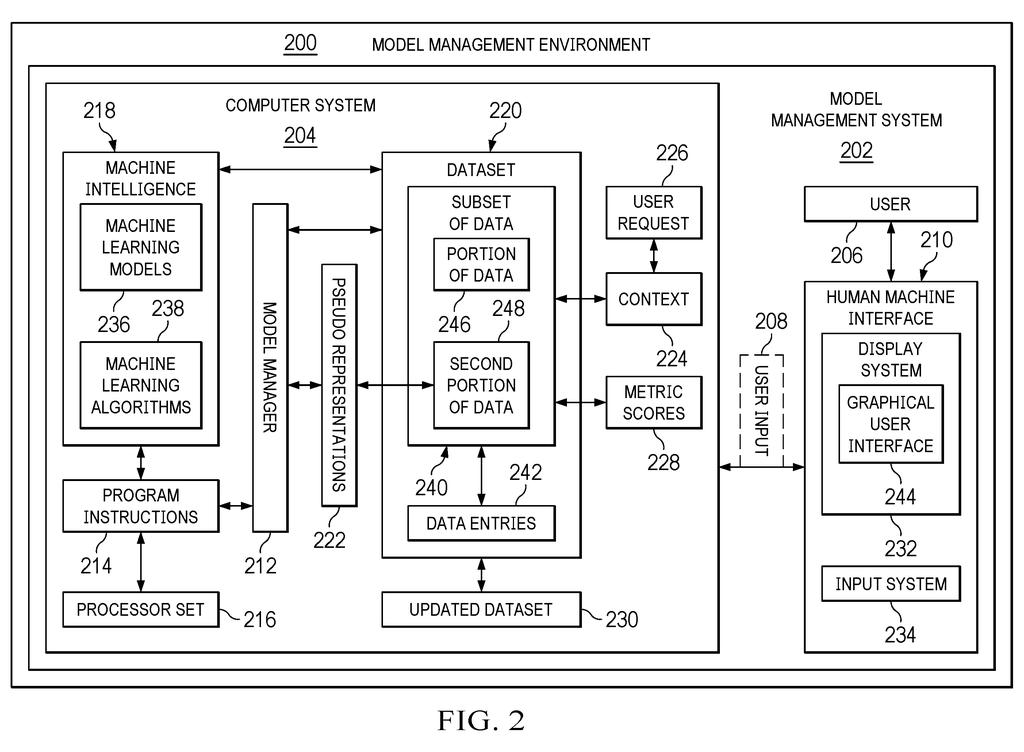
IBM's patent describes a method for handling exactly this situation. The system first finds all the training data related to the thing that needs to be forgotten. Then it scores that data to figure out which pieces can safely be removed without making the AI bad at its job. Only those "safe-to-remove" pieces get scrubbed from future training runs.
The result is an updated dataset that the model re-trains on, minus the sensitive material. Think of it like editing a textbook before a student studies it, rather than trying to erase their memory after the fact.
… delineating, by the processor set, a subset of data in the dataset, wherein data entries from the subset of data are relevant to context of subject matter to be removed from the model learning for the number of machine learning models …
Translation: The system finds the specific information that needs to be erased from the AI training materials.
How IBM scores and removes data without breaking the model
The patent describes a four-step pipeline for what researchers call "machine unlearning" (making an AI model forget specific training data).
- Identify: The system locates the full training dataset used by one or more AI models.
- Delineate: It finds the subset of data entries that relate to the subject matter that needs to be removed, for example, everything tied to a specific person, topic, or copyrighted work.
- Label: Each entry in that subset gets a metric score (a numerical rating) that estimates how much the model actually depends on that entry. Entries the model can live without score differently from entries that are load-bearing for the model's performance.
- Modify: Only the entries flagged as removable without harming model performance get stripped out. The cleaned dataset is then used for re-training.
The key engineering insight is the scoring step. Naive unlearning would just delete everything related to the target subject, which can badly degrade a model's accuracy. By measuring each data point's marginal contribution to model performance, the system tries to find the smallest removal that still achieves the privacy or compliance goal.
Data entries from the portion of data are associated with metric scores that indicate removal of the data will not prevent the number of machine learning models from performing tasks.
Translation: The AI evaluates if deleting the data will make it worse at its job before removing it.
What this means for AI privacy and compliance
Privacy laws in Europe (GDPR) and California (CCPA) give people the legal right to have their personal data deleted. For traditional databases, that's straightforward. For AI models trained on that data, it has been an open and expensive problem: the standard answer is re-train the model from scratch, which can cost millions of dollars and take weeks.
A practical unlearning method would let companies respond to deletion requests, remove copyrighted or harmful content from deployed models, and meet regulatory deadlines without that full rebuild cost. IBM's interest in AI governance and compliance tooling shows up across several recent filings, and this one sits squarely in that space. Whether this specific approach is efficient enough to use at the scale of a real production model is the real question left unanswered.
That makes this IBM's 34th filing we've tracked in AI training and infrastructure since May, joining earlier work on spotting bad training data and catching models that leak private data.
The system makes a bet before any learning happens: that a scoring step can correctly predict which pieces of information a model can safely lose. Guess wrong in one direction and the sensitive material stays in; guess wrong in the other and the model gets worse, with no obvious trail leading back to the decision.
The deeper cost is timing. Because this approach shapes the training data before a model is built, it has nothing to offer a model already running in the real world. Taking something out of a live model still means rebuilding it from scratch, which is the expensive step this design was meant to help avoid.
That tradeoff is reasonable for models rebuilt on a regular schedule, where a structured scoring layer is far better than intuition. For models that run for years without a reset, this is a planning tool, full stop, and whether that is good enough depends entirely on which situation you are actually in.
There are more where this came from
We read every patent application Big Tech publishes and send you the ones worth knowing. Plain English, free, every week.
The drawings
7 drawing sheets from US 2026/0278455 A1 · click any drawing to enlarge


Want this weekly breakdown for a company we don't cover? Patentlyze Pro →
Be the first to weigh in