
IBM Patents a System That Turns Off Its Own AI When Running It Isn't Worth the Cost
Most AI systems run whether or not they actually help. IBM has filed a patent for a system that calculates whether firing up an AI model is worth the computing cost before doing so, and skips it entirely if the math doesn't add up.
What IBM's AI cost-check actually does for servers
Ever noticed that running a program can sometimes take more effort than the task itself? IBM is applying that same logic to AI.
Every time an AI model makes a prediction or recommendation, it burns real computing power. IBM's patent describes a system that, before running the AI, quickly estimates two things: how much computing power the AI will need, and how much better it will actually make the result. If the cost is higher than the benefit, the system disables the AI and handles the request without it.
Think of it like deciding whether to use a GPS app for a one-block walk. Sometimes the AI is overkill. This system is designed to make that judgment call automatically, so computing resources go where they genuinely help, rather than running on autopilot every time.
… approximating a computational demand for executing the AI-Module in order to generate the output; approximating a benefit of using the AI-Module …
Translation: The system weighs how much computing power the AI needs against the actual value it provides.
How the system estimates AI cost versus predicted payoff
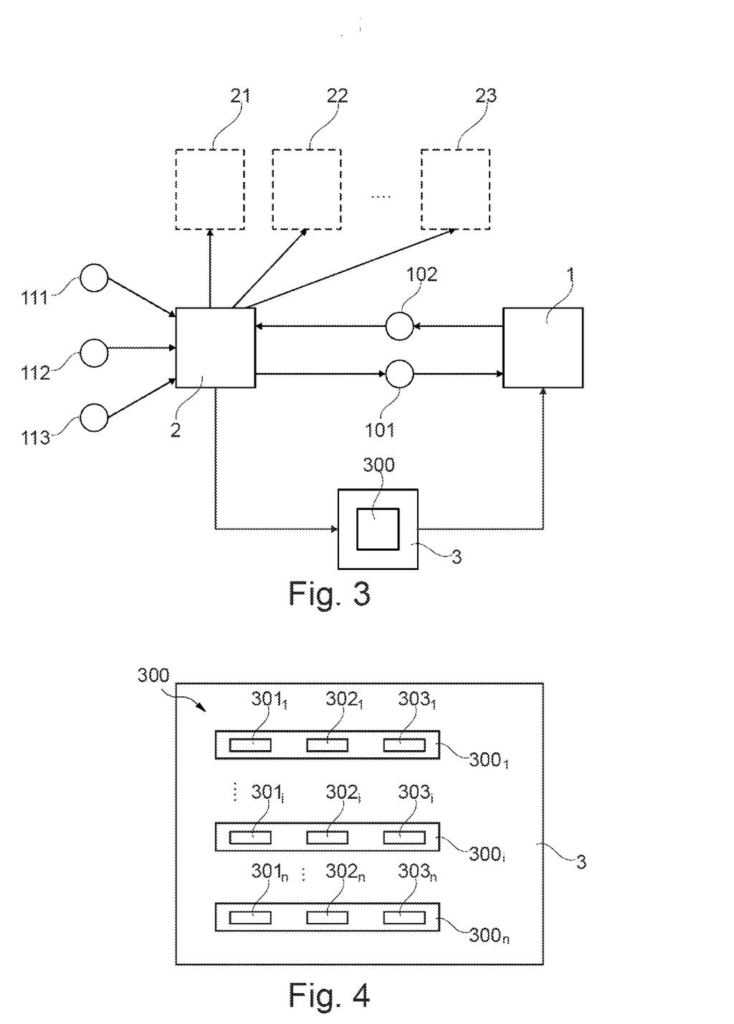
The patent describes a method for managing what IBM calls an AI-Module, a trained model that takes in data about a system's current workload (called input usage data) and produces a recommendation or output the system then acts on.
Before the AI-Module runs, the method estimates two values:
- Computational demand: how much processing power, memory, or energy the AI will consume to generate its output.
- Benefit: how much better the system will perform if it follows the AI's recommendation, compared to handling the request without AI input.
Those two estimates are compared. If the computational demand exceeds the benefit, the AI-Module is disabled for that request and the system falls back on a non-AI approach. If the AI's value is higher than its cost, it runs normally.
The patent doesn't lock in one specific way to calculate demand or benefit, which makes the claim quite broad. The core idea is the comparison step itself: a formal check that AI execution is justified before it happens, rather than running the model unconditionally on every request.
… disabling the executing of the AI-Module for generating the output in case the computational demand exceeds the benefit.
Translation: It simply turns off the artificial intelligence whenever running it costs more than it is worth.
What this means for AI bills and enterprise computing
For companies running AI at scale, every model inference (each time the AI processes a request) costs money in electricity and hardware. A system that skips the AI when it isn't helping could meaningfully cut those bills, especially in environments where the AI is handling thousands of routine requests that don't actually need it.
For enterprise software buyers, this kind of efficiency logic could eventually show up in cloud pricing and server management tools. IBM's interest in enterprise AI efficiency is visible across multiple recent filings. If AI systems can self-regulate based on whether they're earning their keep, that changes how organizations think about deploying AI broadly versus selectively.
IBM's 43rd filing we've tracked in Enterprise AI since May follows one on mid-run compute reshuffling and one on automatic model selection.
Claim 1 covers the act of comparing an AI's computational cost against its expected benefit and disabling the AI when cost wins. That framing is broad. It doesn't specify the hardware, the type of AI, the kind of workload, or the method used to measure either variable. A claim that generic could, if granted, cover a wide range of implementations across cloud platforms, enterprise servers, or even edge devices.
In practice, that breadth cuts both ways. IBM would hold a potentially wide fence around the core idea, but broad claims also face harder scrutiny at the patent office and are more vulnerable to challenge later. Prior art in adaptive resource management and dynamic feature toggling is extensive, so the granted claim may end up narrower than what's filed here.
The underlying engineering problem is real and increasingly pressing as AI gets embedded in more routine infrastructure tasks. Whether this patent survives examination as written is another question, but the concept of AI systems that police their own computational overhead is one that infrastructure teams are already thinking hard about.
There are more where this came from
We read every patent application Big Tech publishes and send you the ones worth knowing. Plain English, free, every week.
The drawings
5 drawing sheets from US 2026/0277692 A1 · click any drawing to enlarge


Want this weekly breakdown for a company we don't cover? Patentlyze Pro →
Be the first to weigh in