
Samsung Patents an Indoor Location System That Uses Wi-Fi Signal Gaps
GPS stops working the moment you walk through a door. Samsung is patenting a way to figure out exactly where you are inside a building by measuring how two different Wi-Fi frequencies fade differently as they travel through walls and furniture.
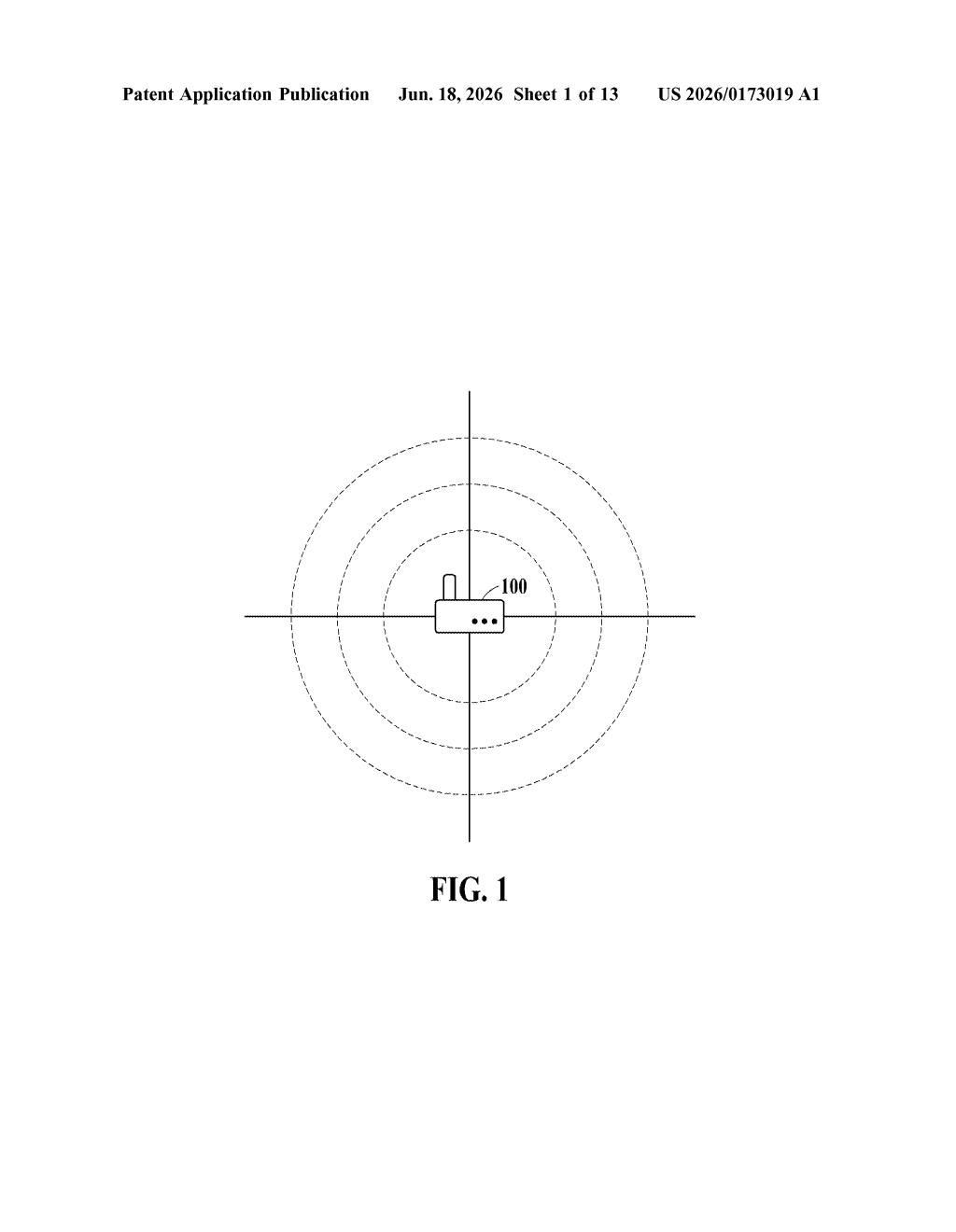
How Samsung's indoor positioning actually finds you
Imagine you're in a large shopping mall and you ask your phone for directions to a specific store. GPS can't help — satellite signals don't penetrate roofs reliably. Your phone is effectively location-blind the moment you step inside.
Samsung's patent tackles this by listening to the same wireless signal on two different frequencies at once. Because lower and higher frequencies behave differently indoors — they bounce off walls, get absorbed by obstacles, and weaken at different rates — the gap between their signal strengths becomes a fingerprint for your location. The phone first checks whether you're actually indoors, then uses that frequency gap to place you on a map.
The system compares those live readings against pre-collected reference data, essentially a map of what those signal gaps look like at known spots throughout the building. No GPS satellite needed — just the Wi-Fi signals already floating around you.
How the two-frequency RSSI gap calculates your position
The patent describes a two-step process running on a device like a smartphone.
Step one — indoor detection: The device checks the overall RSSI (Received Signal Strength Indicator — a measure of how strong a wireless signal is) of an incoming wireless signal against stored reference data. If the reading matches what an indoor environment looks like, the system flags the device as being inside.
Step two — position calculation: Once indoors, the device measures the difference in RSSI between a first frequency signal and a second frequency signal from the same external transmitter. Different frequencies are absorbed and scattered differently by building materials, so that difference changes predictably depending on where you are. The system matches this RSSI gap against a second reference dataset — essentially a pre-built signal map of the space — to output your specific indoor location.
- Receives a dual-frequency wireless signal from a fixed external device (like a router or beacon)
- Compares overall signal strength to indoor/outdoor reference thresholds
- Uses the frequency-specific signal gap to look up position in a fingerprint database
- Outputs a location result only after confirming the device is indoors
What this means for GPS-dead zones in malls and offices
GPS covers the outdoors well, but indoor positioning has been a stubborn unsolved problem for consumer devices. Large venues — airports, hospitals, warehouses, convention centers — still rely on expensive custom beacon networks or do nothing at all. A system that squeezes location data out of ordinary Wi-Fi signals, with no special hardware beyond what's already in a phone, could make indoor navigation practical without infrastructure upgrades.
For Samsung specifically, this would fit naturally into Galaxy phones and SmartThings-connected buildings. If the reference data can be crowdsourced or pre-loaded by venue operators, your phone could guide you to a gate, a hospital ward, or a specific store shelf using signals that already exist around you.
Indoor positioning is a genuinely hard problem and the dual-frequency RSSI approach is a real engineering idea, not a trivial filing. That said, the patent covers familiar ground — signal fingerprinting for indoor location has been researched for over two decades, and the novelty here is in the specific combination of indoor detection plus frequency-gap positioning. Whether Samsung can make this accurate enough for real navigation, rather than just 'you're somewhere in this building,' is the question that will matter most.
There are more where this came from
We read every patent application Big Tech publishes and send you the ones worth knowing. Plain English, free, every week.
Want this weekly breakdown for a company we don't cover? Patentlyze Pro →