
Microsoft's New Patent Switches Its Camera's AI Off When Your Battery Needs a Break
Your laptop's camera could take better photos when the device has headroom to spare — and fall back to a faster, cheaper method when it doesn't. Microsoft's latest patent describes exactly that kind of conditional switching.
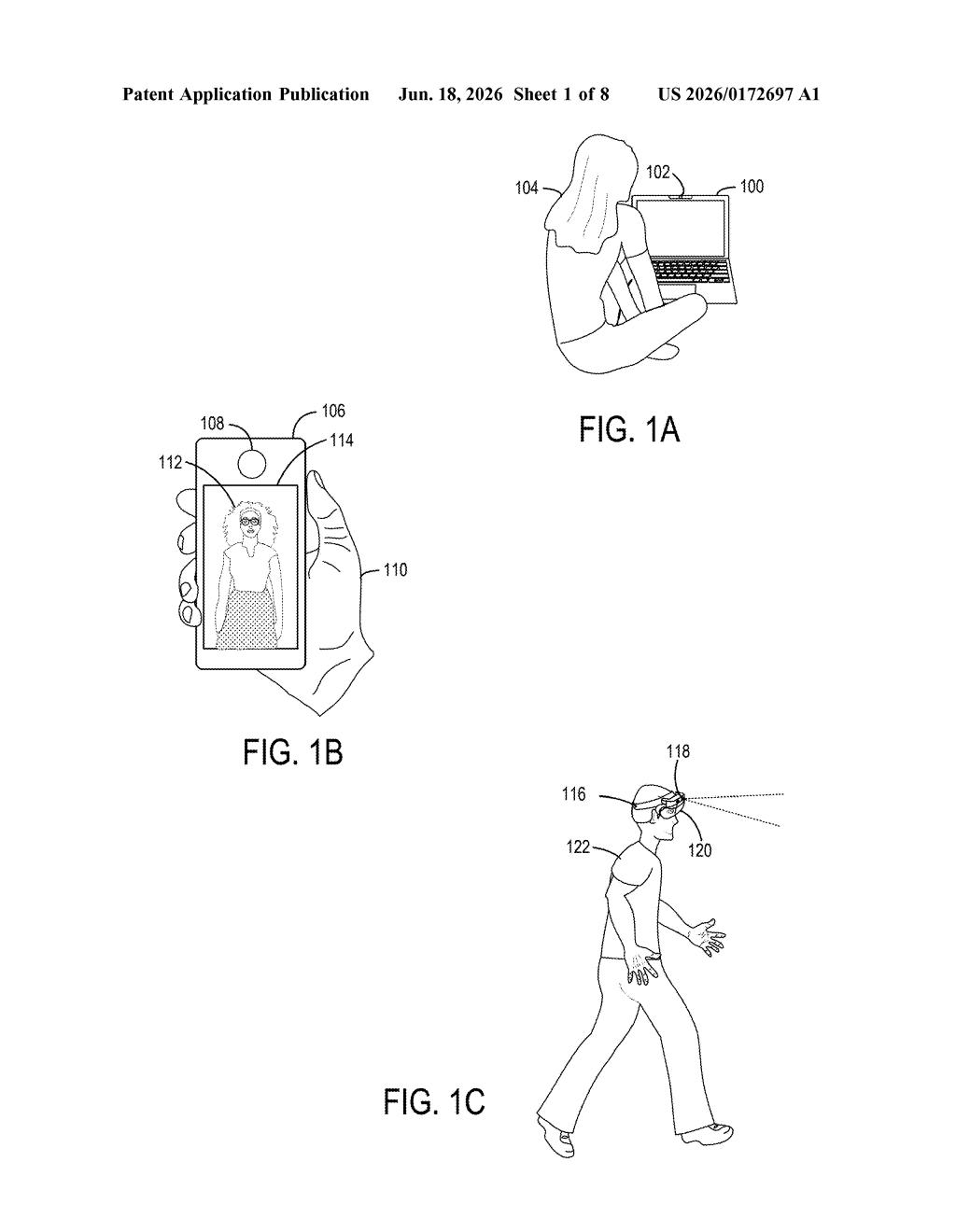
How Microsoft's camera decides which processor to use
Imagine your laptop's camera always ran its most powerful AI photo-processing engine, no matter what else you were doing. On a plugged-in desktop that sounds fine, but on a thin laptop running on battery during a crowded video call, it could slow everything down or drain your battery faster.
Microsoft's patent describes a system that reads sensor data — things like battery level, temperature, and ambient light — and uses those readings to decide which image-processing method to use. When conditions are good (plenty of power, device running cool), it routes your camera image through an AI chip that produces noticeably sharper results. When conditions are tight, it falls back to a dedicated hardware pipeline that's faster and less demanding.
The result is that you get the best image quality the device can afford at any given moment, rather than always using the expensive path or always using the cheap one.
How sensors trigger the ISP-to-NPU handoff
The patent describes a device with two distinct image-processing paths. The first is an ISP (Image Signal Processing) hardware pipeline — a fixed-function chip that applies traditional corrections like noise reduction and color balance very quickly and at low power cost. The second is an NPU (Neural Processing Unit) running an AI-based enhancement algorithm that can produce higher-quality results but demands more resources.
A sensor subsystem continuously collects two categories of data:
- Environmental parameters — things like ambient light levels or scene conditions
- Device operating parameters — things like battery charge, thermal state, or current CPU/GPU load
Those readings are compared against a set of adaptive device operation criteria — essentially a threshold profile. If the sensor values don't meet the criteria (say, the battery is low or the chip is hot), the raw camera image goes through the ISP pipeline and comes out as a competent but modest "first processed image." If the criteria are met, the same raw image goes through the NPU's AI algorithm instead and comes out as a higher-quality "second processed image."
The switching logic is designed to happen automatically, without the user doing anything.
What this means for cameras on thin, fanless Windows PCs
Most camera enhancement decisions today are static — either the AI pipeline is always on or it's always off, often set by a power profile the user picked manually. A device that reads its own sensors and makes that call dynamically is a meaningfully different approach, especially for thin Windows laptops and tablets where thermal and battery constraints change constantly throughout the day.
For you as a user, this could mean sharper video call images when your laptop has headroom, without the thermal throttling or battery drain that would come from running the AI path all the time. It's the kind of infrastructure change that nobody notices when it works — which is usually the point.
This is a solid, practical engineering patent rather than a flashy AI story. Microsoft is essentially building a governor for camera AI — the kind of unglamorous plumbing that makes features actually usable on real hardware. Given how aggressively Microsoft is pushing AI features into Windows on ARM and Copilot+ PCs with dedicated NPUs, expect this pattern to show up in production sooner rather than later.
There are more where this came from
We read every patent application Big Tech publishes and send you the ones worth knowing. Plain English, free, every week.
Want this weekly breakdown for a company we don't cover? Patentlyze Pro →