
Sony Patents a Wrap-Around Gate Design to Shrink Image Sensor Pixels Further
As image sensors get packed with more and more pixels, there's simply less room to fit the circuitry that actually reads them. Sony's latest patent tackles that geometric puzzle by bending the transfer gate around the walls of the pixel itself.
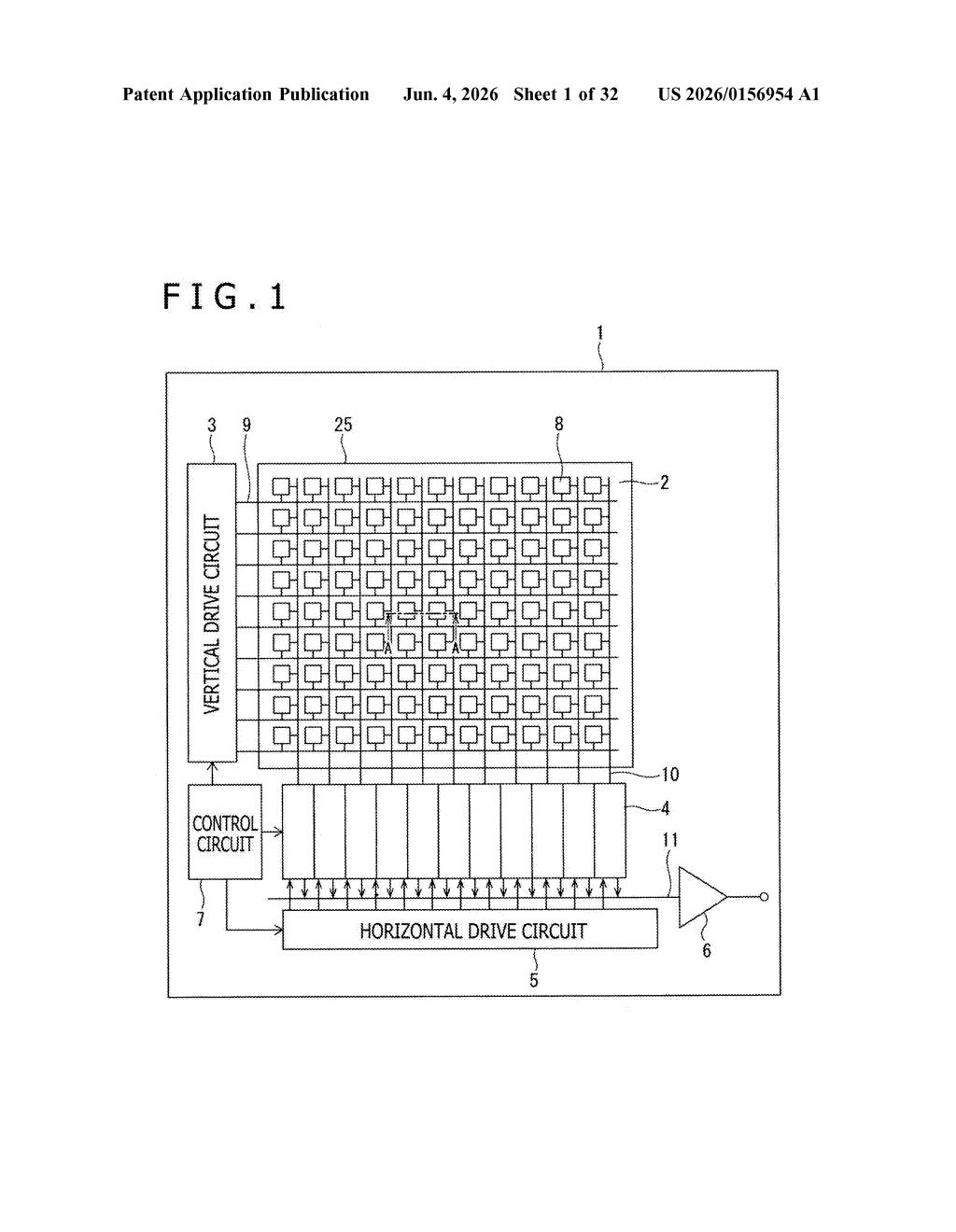
What Sony's wrap-around pixel gate actually does
Imagine a tiny bucket that catches light and holds the resulting electrical charge until it can be read. Now imagine trying to fit the valve that empties that bucket — along with a separate storage tank — all inside a bucket that keeps getting smaller every product generation. That's the core problem Sony is solving here.
Sony's answer is to reshape the gate electrode — the "valve" controlling charge flow — so it wraps around the side wall of each pixel rather than sitting entirely on top. This frees up the flat top surface for the storage region, and lets both components coexist without crowding each other out.
The practical payoff is that pixel shrinkage doesn't have to mean sacrificing the charge-handling architecture that makes a sensor accurate. Smaller pixels that still work well means higher-resolution sensors in the same physical chip area — relevant for everything from smartphones to security cameras.
How the L-shaped gate electrode routes charge underground
Each pixel in an image sensor is isolated from its neighbors by a trench section — a physical wall etched into the semiconductor substrate. Inside each isolated "element region" you have three key structures:
- A photoelectric converting section (the photodiode) that absorbs incoming photons and converts them into electrical charge.
- A charge retaining section — essentially a buried capacitor that holds the charge temporarily before readout.
- A transfer transistor with a gate electrode that acts as the switch between the two.
The novel part is the geometry of the gate electrode. Traditionally, gate electrodes sit flat on the top (non-light-facing) surface of the pixel. But as pixels shrink, there isn't enough flat real estate to fit both the gate and the opening to the charge retaining section side by side.
Sony's design makes the gate electrode L-shaped (or wrap-around): it covers the top surface of the element region — except for the spot directly above the charge retaining section — and then continues down the side wall of the trench. This "continuously covering" geometry lets the gate maintain strong electrostatic control over charge movement while physically clearing the way for the storage node to be accessed from the top surface. The charge retaining section itself is formed as a deep implant reaching down from that top surface, and the gate wraps around it without overlap conflicts.
What this means for future Sony camera sensors
Image sensor pixel pitch has been shrinking for years, and the bottleneck is increasingly layout geometry: you can only miniaturize a photodiode so far before the surrounding transistors and storage nodes start eating into the light-gathering area or simply won't fit. Sony Semiconductor Solutions is one of the world's dominant image sensor suppliers, and this kind of pixel-level architectural innovation is exactly how they stay ahead on pixel density without degrading dynamic range or noise performance.
For you as a consumer, this is the kind of invisible engineering that shows up as "50 MP" or "200 MP" on a spec sheet while the chip stays the same size. It also matters for time-of-flight and event-camera applications where charge retention timing is critical, not just for photography.
This is deep semiconductor plumbing — not glamorous, but it's genuinely important work. Sony's image sensor dominance is built on exactly these kinds of incremental geometric innovations that competitors struggle to replicate at volume. The wrap-around gate electrode idea is a clean solution to a real physical constraint, and it's the kind of patent that quietly ends up in hundreds of millions of devices.
There are more where this came from
We read every patent application Big Tech publishes and send you the ones worth knowing. Plain English, free, every week.
Want this weekly breakdown for a company we don't cover? Patentlyze Pro →