
Samsung Patents an Image Sensor That Uses Nanoscale Lenses to Split Light for Autofocus
Samsung is rethinking how a camera sensor captures light — not with traditional glass optics, but with microscopic pillars smaller than a wavelength of light that sort colors before they even reach the sensor.
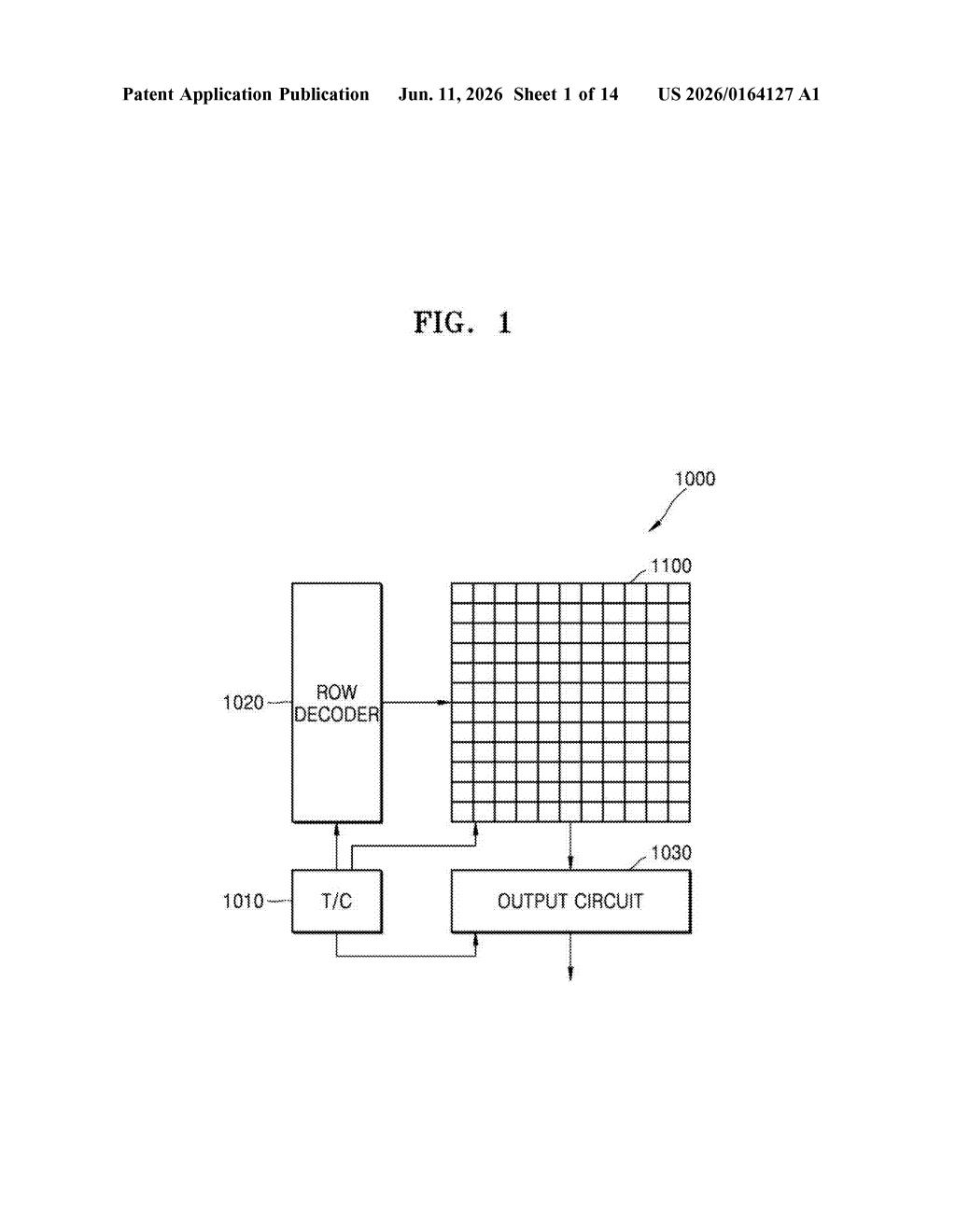
What Samsung's nanopost image sensor actually does
Imagine the sensor inside your phone camera as a grid of tiny buckets, each catching a different color of light. Normally, a small lens sits above each bucket to direct light in. Samsung's patent replaces those conventional micro-lenses with an array of nanoposts — structures so small they're measured in billionths of a meter — that sort and steer light by color before it lands on the sensor.
On top of that nanopost layer sits an optical diffuser, which spreads incoming light more evenly across the sensor before the nanoposts do their sorting. The sensor pixels themselves are grouped into sets of four, and each group is deliberately rotated or flipped relative to its neighbors — a layout trick that helps the camera gather the directional light data it needs to lock focus quickly and accurately.
The payoff is a sensor that could produce sharper images in tricky lighting and autofocus faster, all without adding bulk to the camera module — something that matters a lot when phone makers are already fighting for every fraction of a millimeter.
How the nanoposts, pixels, and diffuser work together
The patent describes an image sensor built around three stacked components working in concert.
Color Separation Lens Array (CSLA): A grid of nanoposts — tiny structural pillars engineered to bend light differently depending on its wavelength (color). Instead of one blunt lens per pixel, these nanostructures act like a precision prism at microscopic scale, routing red, green, and blue light to the correct pixel beneath them. This is sometimes called a metasurface approach.
Optical diffuser: Sitting above the nanopost layer, this element scatters incoming light so it arrives at the sensor more uniformly. Without it, harsh directional light could overwhelm one part of the sensor while underexposing another.
Rotated and flipped unit pixel groups: The sensor is tiled with sets of four unit pixels, each containing sub-pixels for the three color channels (two of the four slots go to green, mirroring conventional Bayer-style weighting). Crucially, each of the four unit pixels in a group is oriented differently — rotated or mirrored — relative to the first. This asymmetry gives the sensor phase information (directional light cues) from multiple angles simultaneously, which is exactly what phase-detection autofocus (PDAF) needs to calculate subject distance quickly.
What this means for Samsung camera hardware
Phase-detection autofocus is already standard on flagship phones, but it typically requires dedicated masked pixels that sacrifice some light-gathering ability. Samsung's nanopost approach embeds the phase-detection function into the sensor's fundamental architecture, which could mean every pixel contributes to autofocus rather than a reserved subset — a meaningful efficiency gain.
For Samsung specifically, this fits into a longer push to differentiate its image sensors (sold under the ISOCELL brand) against Sony's dominance in the premium sensor market. A sensor that focuses faster and more accurately in low light, without getting physically larger, is exactly the kind of spec that moves units — both in Samsung's own Galaxy phones and in the many Android devices that buy Samsung sensors.
This is solid, substantive sensor engineering — not a gimmick. Replacing conventional micro-lenses with metasurface nanoposts is a real research direction that academic labs and several companies have been chasing for years. The rotated pixel-group layout for multi-angle phase detection is a clever structural solution. Whether Samsung can manufacture this at the yield and cost required for consumer phones is the hard question the patent doesn't answer.
There are more where this came from
We read every patent application Big Tech publishes and send you the ones worth knowing. Plain English, free, every week.
Want this weekly breakdown for a company we don't cover? Patentlyze Pro →