
Samsung Patents a System That Shows You What You Can Grab in VR
Picking up virtual objects in VR is still awkward — you often grab the wrong thing or nothing at all. Samsung is patenting a system that figures out which objects are within your reach and then highlights them before you even try.
What Samsung's virtual object selection system actually does
Imagine putting on a VR headset and reaching toward a cluttered virtual desk. Right now, many headsets make you guess which object your hand will actually grab — and it often goes wrong. Samsung's patent describes a system designed to take that guesswork away.
The idea is simple: the headset watches your hand or controller, figures out what's realistically within reach based on how you're holding it, and then highlights all the grabbable objects in that zone. Those highlights — called affordances — are visual cues that basically say "yes, you can interact with this."
The system also arranges those cues in a specific layout so they don't just clutter your view. Think of it like the cursor on your computer changing to a pointer hand when you hover over a clickable link — except in three dimensions, all around you.
How the device maps your hand's reach to selectable objects
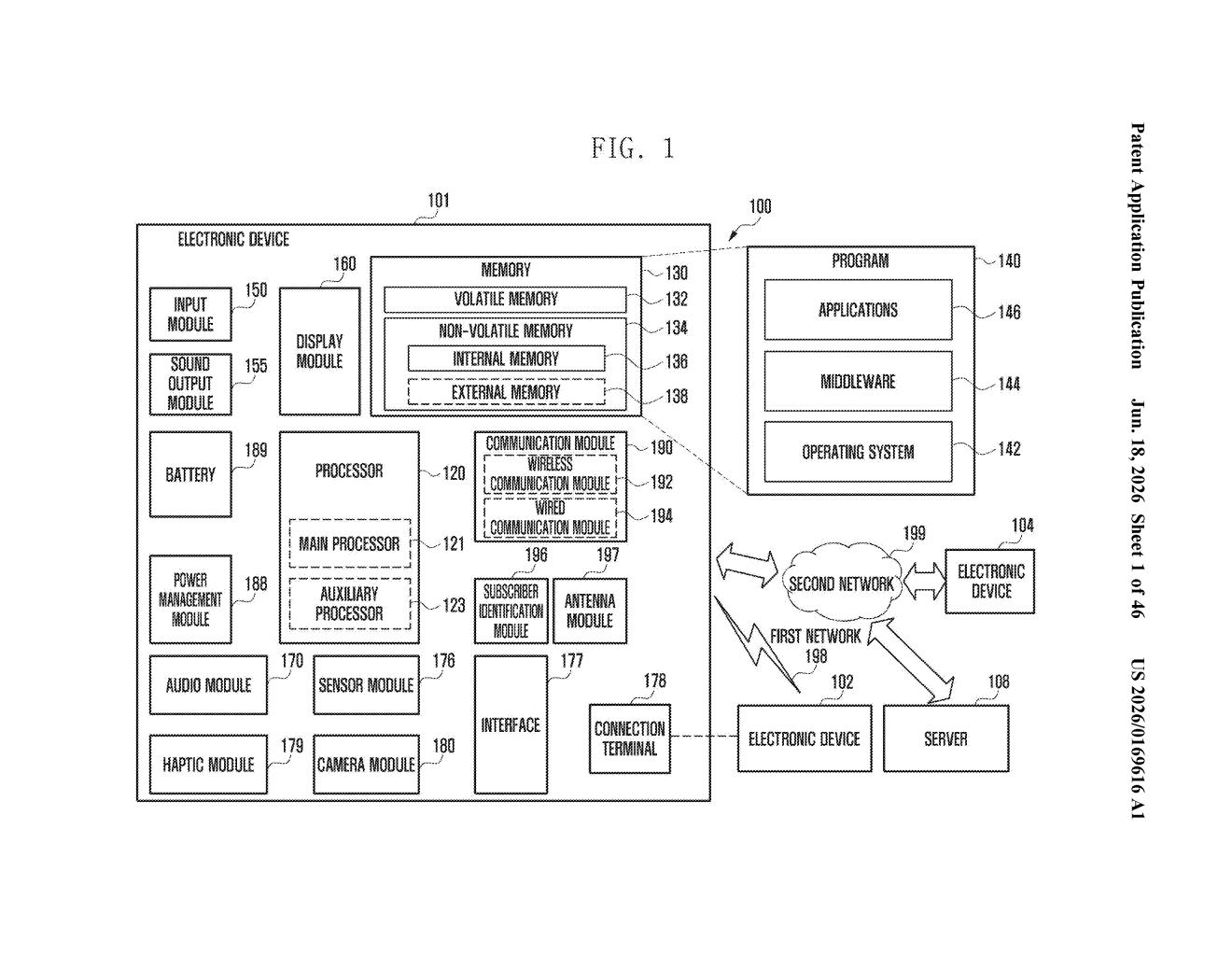
The patent describes an electronic device — almost certainly a VR or mixed-reality headset — that tracks an input device (a hand, controller, or similar tool) inside a virtual environment.
Once it detects that input device, the system determines a virtual space — essentially a zone in 3D space — based on the attribute of the controller. That attribute could be things like the type of grip, which hand is being used, or the direction the controller is pointing. The zone isn't just a bubble around your hand; it's shaped by how you're interacting.
From that zone, the system identifies target virtual objects — the items inside the zone that could plausibly be selected. It then generates affordances (visual indicators, like glows, outlines, or labels) for each of those objects. These affordances are displayed according to a designated arrangement mode, meaning they're organized in a deliberate layout rather than stacked randomly on top of each other.
The practical effect is a cleaner, more predictable way to pick things up or interact with objects in VR — the headset tells you what's selectable before you commit to grabbing.
What this means for Samsung's XR headset ambitions
Object selection is one of the most frustrating parts of using a VR headset today. When virtual objects are close together, it's easy to grab the wrong one, and there's often no clear feedback until after the mistake happens. A system that pre-highlights selectable objects — and organizes those highlights intelligently — would make VR interactions feel much closer to how we handle physical objects.
Samsung has been investing heavily in its Galaxy XR platform and has shipped the Galaxy Ring and various wearables as input accessories. A patent like this suggests the company is thinking carefully about the fine-grained interaction layer that makes or breaks extended VR and mixed-reality use. If this ends up in a future headset, it's the kind of quiet UX detail that users would notice immediately — even if they couldn't explain why things suddenly felt easier.
This is a solid, practical VR interaction patent rather than a flashy concept. Object selection in 3D space is a genuinely unsolved usability problem, and Samsung's approach — pre-filtering reachable objects and displaying cues in a structured layout — is a sensible answer. It won't make headlines, but it's exactly the kind of detail that separates a frustrating headset from one people actually enjoy using.
There are more where this came from
We read every patent application Big Tech publishes and send you the ones worth knowing. Plain English, free, every week.
Want this weekly breakdown for a company we don't cover? Patentlyze Pro →