
OpenAI Patents a Voice Assistant That Forgets the Part You Talked Over
When you cut off a voice assistant mid-answer, it usually keeps acting as if you heard every word. An OpenAI patent application describes a way to erase the part of its answer you never got to hear.
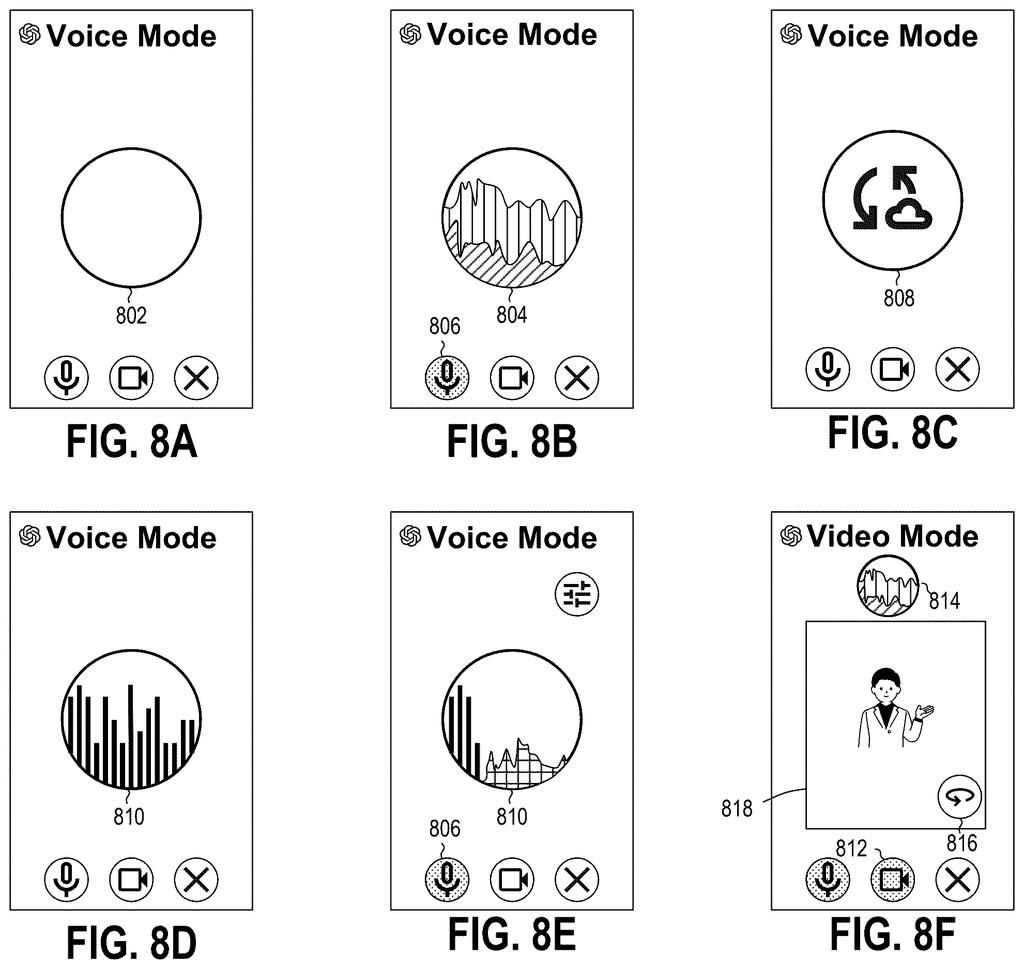
What OpenAI's interruption-aware voice mode does
Today, most chatbots treat each thing you say as a separate message. If you cut in while a voice assistant is mid-answer, it doesn't adjust what it was saying. It just handles your new words on their own, and the filing says that can leave the conversation feeling disjointed.
OpenAI's patent application describes a fix. When you start talking over the AI, the system works out how much of the answer had actually reached you, then tells the AI to throw away the rest. The AI's memory of the conversation then holds only what you could have heard.
It also tries to tell a real interruption from a quick 'yes' or 'okay' that just means you're listening. In the filing's example, the AI had drafted 2,000 pieces of an answer and only the first 400 had reached your device when you cut in. Everything past 400 gets erased.
… determining interruption information corresponding to first tokens in the response that were presented to the client device; and transmitting the interruption information to the generative response engine, wherein the generative response engine uses the interruption information to remove second tokens of the response that follow the first tokens.
Translation: The system figures out what you actually heard before you spoke, and cuts off the rest of the reply.
How the system tracks what you actually heard
The system sits between your device and the AI model. Your device sends the AI short slices of your speech (called audio frames). While the AI's spoken answer is streaming back to you, the device keeps listening and sending frames, so the system can tell the moment you start talking over it.
To spot that, a small speech detector model (a program that only decides whether a sound is human speech or not) marks each frame as speech or silence. It can run on your device or on the server.
The key step is bookkeeping. The server keeps a counter of the latest piece of the answer (a token, roughly a small chunk of speech or text) that it has sent to you. When an interruption hits, the system:
- Works out which pieces of the answer were presented to you (the 'interruption information')
- Tells the AI to remove every piece that comes after that point
- Cancels any work the AI is still doing, and drops pieces that reached the server but were never sent to you
In the filing's example, the AI drafted pieces 1 to 2,000 and only the first 400 had reached your device, so everything past 400 is erased from its memory. The filing also describes sending a selected camera frame along with your new speech, and a model that judges whether a pause means you're finished talking.
Why talking over a voice AI needs fixing
If you use a voice assistant, you already know the awkward moment: you cut in to correct it, and its next reply still assumes you heard its whole earlier answer. Trimming its memory to match what you actually heard could make follow-up replies fit the conversation better, especially when you say 'wait, no, I meant...' halfway through an answer.
For OpenAI, this is plumbing for any voice product built on its models. The filing leans on natural-feeling timing, citing a reply delay of around 300 milliseconds, and on the AI responding sensibly when you break in. Voice conversations depend on that rhythm, and a patent application like this shows where the engineering effort goes when text chat becomes talking.
OpenAI's fourth filing in voice and speech AI we've tracked since October follows earlier applications on starting to think mid-sentence and detecting when you have finished speaking.
Talking over someone is how real conversations work. A voice assistant that keeps reciting an answer you've waved off, then replies as if you'd heard all of it, gets more irritating the longer you chat with it.
The problem is small and real: a bookkeeping error about what the AI believes it has said. The fix matches that size. It keeps a running count of what reached you and trims the AI's memory to match, which is cheap and sensible.
Whether that deserves a patent is a fair question, because any voice product has to handle interruptions somehow. The claims are narrow, tied to tracking the last piece you heard and deleting everything after it, so the filing covers one specific piece of plumbing rather than voice AI in general.
Get our take in your Top Stories
Liked this breakdown? Add Patentlyze as a preferred source on Google, and our plain-English take shows up more often in your Top Stories the next time OpenAI patent news breaks.
There are more where this came from
We read every patent application Big Tech publishes and send you the ones worth knowing. Plain English, free, every week.
The drawings
17 drawing sheets from US 2026/0311693 A1 · click any drawing to enlarge


Show the other 9 sheets


Want this weekly breakdown for a company we don't cover? Patentlyze Pro →
Be the first to weigh in