
Qualcomm Patents a Way for Phones to Access Private 5G Networks as Guests
Private 5G networks are spreading across factories, campuses, and stadiums, but your phone usually can't use them unless you have a separate subscription. Qualcomm is patenting a way to change that.
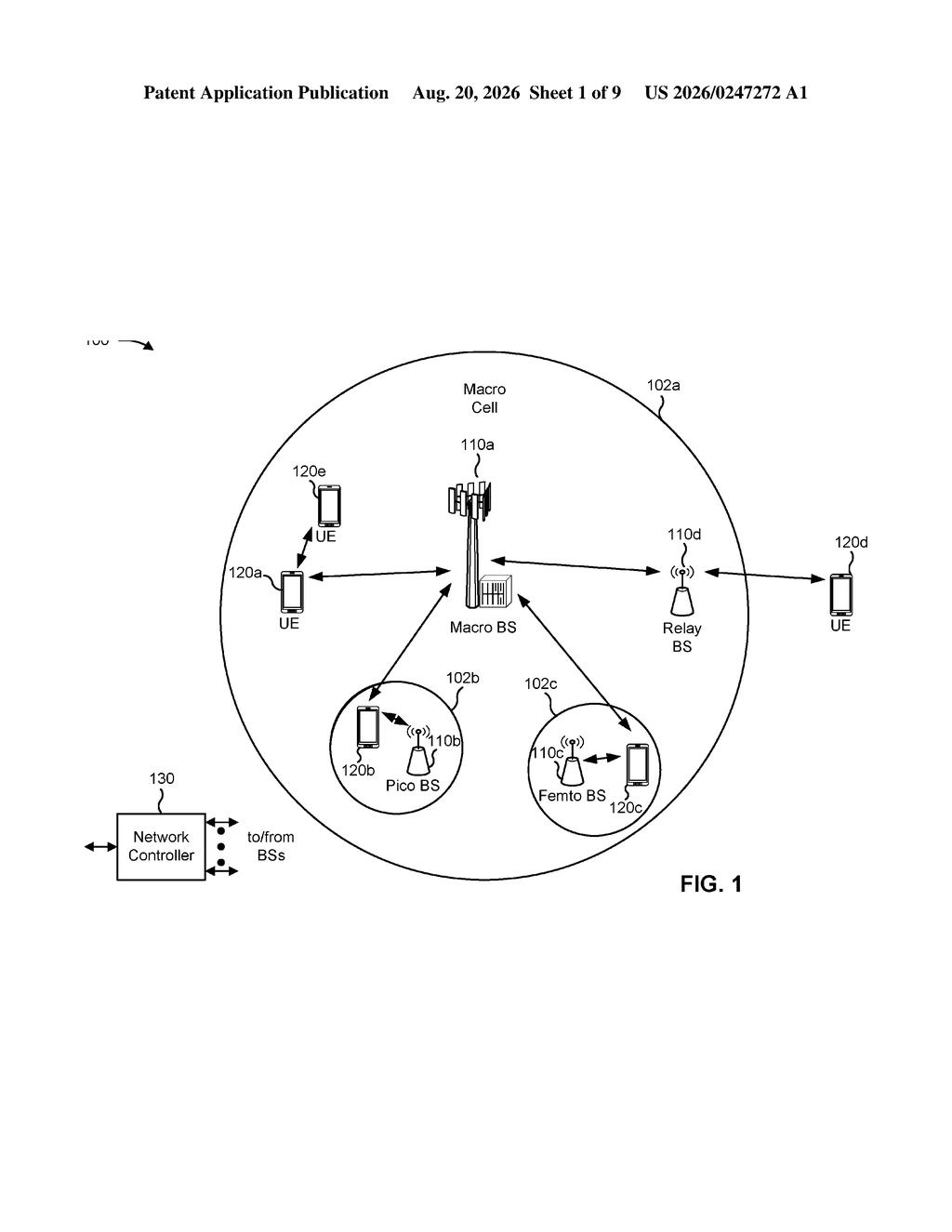
What Qualcomm's private network guest access actually does
Today, if a company builds its own private cellular network, only people with a subscription to that specific network can connect. Your regular carrier plan is useless there, even if the signal is strong and you're standing right in the middle of it.
Qualcomm's patent describes a system where private networks can advertise that they're open to outsiders. Your phone picks up that broadcast, checks whether your home carrier's subscribers are welcome, and if so, logs in automatically using your existing phone plan. No extra app, no guest login screen, no new SIM card.
Think of it like a hotel Wi-Fi that just works when you walk in, except this is for 5G cellular, which is faster and more reliable than Wi-Fi in crowded spaces. You'd get full private-network access at a factory floor, a university campus, or a sports venue, just by being there with a compatible phone.
receive, from a network node, a broadcast communication indicating a plurality of standalone non-public networks (SNPNs), wherein the broadcast communication indicates, for each SNPN of the plurality of SNPNs, whether a SNPN permits access to subscribers of a network different from that of the SNPN …
Translation: The phone listens for a signal from a private network that says whether it allows visitors from other mobile carriers.
How the phone finds and joins an open private network
The patent centers on a category of network called a Standalone Non-Public Network (SNPN), which is a private 5G cell network run by an organization rather than a public carrier. Think of it as a company's own mini cellular tower system.
Currently, SNPNs are walled off. A phone must have a subscription specifically to that private network to connect. This patent describes a mechanism that lets SNPNs opt into guest access and lets phones discover that option automatically.
Here's how the three core steps work:
- A nearby network node (essentially a cell tower) broadcasts a list of available SNPNs in the area, and for each one, whether it accepts subscribers from other (public) networks.
- The phone scans that list and picks a private network that has flagged itself as open to outside subscribers.
- The phone then registers with that private network using the subscription credentials already on its SIM card, the same ones it uses with its regular carrier.
The key innovation is the broadcast flag itself. It gives phones a structured, standardized way to check access policy before trying to connect, which avoids wasted connection attempts and keeps the whole process invisible to the user.
… a user equipment (UE) may determine whether a standalone non-public network (SNPN), to which the UE is not subscribed, permits access to subscribers of a network to which the UE is subscribed. The UE may register with the SNPN based at least in part on a determination that the SNPN permits access to subscribers of the network to which the UE is subscribed.
Translation: The device checks if a private network allows outside users to join and then connects if it finds permission.
What this means for enterprise and campus 5G deployments
For businesses and institutions, this could simplify a real operational headache. Right now, getting visitors or contractors onto a private 5G network typically means issuing temporary SIM cards or setting up separate credentials. If a phone could just authenticate through its home carrier, that overhead disappears.
For you as a phone user, the practical effect is that high-performance private networks at airports, hospitals, or large venues become usable without you doing anything. Qualcomm sits at the chip level, which means this capability could flow into devices across many manufacturers rather than staying inside one brand's ecosystem. The broader push toward flexible, cross-network cellular access is part of the latest Big Tech patents in the 5G and private networking space that Patentlyze tracks across the industry.
The problem is real and costly. Companies building their own private phone networks have no standard way to let visitors connect, so every network owner invents their own messy fix.
Qualcomm's solution puts the access rules directly into the signal a phone already reads when it searches for a network to join. That targets the actual source of the problem, not a symptom.
This is a practical answer at the right level. It fits the true size of the problem rather than slapping a patch over it.
There are more where this came from
We read every patent application Big Tech publishes and send you the ones worth knowing. Plain English, free, every week.
The drawings
9 drawing sheets from US 2026/0247272 A1 · click any drawing to enlarge


Want this weekly breakdown for a company we don't cover? Patentlyze Pro →