
Qualcomm Patents a Way to Let Phones Help 5G Networks Steer Signals Off Reflector Panels
What if your phone could quietly tell a cell tower whether bouncing its signal off a nearby reflector panel is actually helping — and the tower would listen? That's essentially what Qualcomm is filing a patent for.
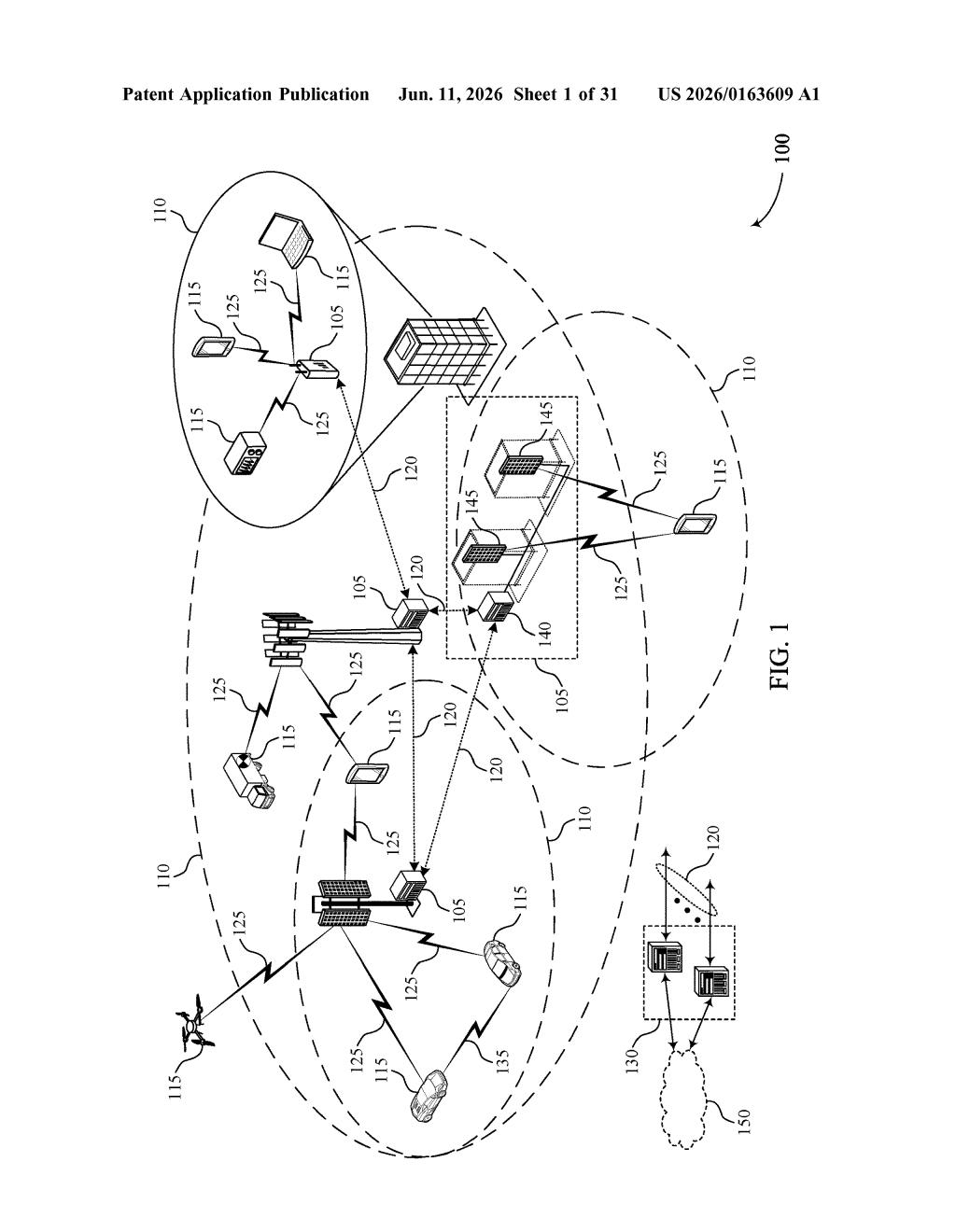
How Qualcomm's signal-bouncing feedback loop works
Imagine you're in a spot where the signal from your nearest cell tower can't reach you directly — maybe there's a building in the way. Engineers have been experimenting with panels called reconfigurable intelligent surfaces (think: programmable signal mirrors) that can redirect a tower's signal around obstacles and into dead zones. The problem is, the tower doesn't always know whether bouncing the signal that way is actually working for your phone.
Qualcomm's patent describes a system where your phone does the measuring. The tower sends out a couple of test signals aimed at one of these reflector panels. Your phone measures how consistent those signals are — specifically, how much they fluctuate. If the variation stays within an acceptable range, your phone sends back a message essentially saying "yes, the reflector is helping." If not, the tower can try a different approach or skip the reflector entirely.
It's a feedback loop that makes the whole system more efficient. Instead of the tower guessing, your phone becomes a real-time quality checker — helping the network decide how best to route your connection.
How the variance threshold drives RIS beam decisions
The patent centers on a coordination protocol between a base station (cell tower), a user's device (UE), and a reconfigurable intelligent surface (RIS) — a panel of electronically controlled elements that can reflect and steer radio signals like a programmable mirror.
Here's the core sequence:
- The base station sends the phone a variance threshold — essentially a tolerance level for how much signal quality is allowed to fluctuate.
- The base station then transmits two or more reference signals (standardized test pulses) aimed at the RIS panel.
- The phone measures the variance (the statistical spread, or inconsistency) of the signal strength it receives from those test pulses.
- If the measured variance is within the threshold, the phone sends back a message signaling that the RIS-assisted path is working well. If not, it signals otherwise.
A second approach in the patent uses a probe beam — a direct signal not routed through the RIS — as a baseline. The phone compares that direct signal's strength against the RIS-bounced signals. That comparison tells the network whether the reflector is adding value or just adding complexity.
Based on whichever feedback method is used, the base station decides whether to route the connection through the RIS or communicate directly with the phone.
What this means for 5G coverage in tricky spots
RIS technology is one of the more promising tools for filling in 5G dead zones — especially indoors, in dense urban areas, or anywhere a direct line-of-sight between tower and phone is blocked. But the technology only helps if the network can accurately tell when it's working. Right now, that intelligence largely lives at the tower side, which has limited visibility into whether a reflected path is actually better for a specific user.
By putting the measurement and feedback responsibility on the phone itself, Qualcomm's approach makes the decision more responsive and more accurate. For you as a user, this could eventually mean fewer dropped connections in tricky environments — and a network that wastes less power bouncing signals off panels that aren't helping anyone.
This is solid, unglamorous infrastructure work — the kind of patent that won't make headlines but could meaningfully improve how 5G networks handle edge cases and coverage gaps. Qualcomm is essentially patenting the feedback handshake that makes RIS-assisted networks actually adaptive rather than just theoretical. Worth watching as RIS moves from research papers into deployed hardware.
There are more where this came from
We read every patent application Big Tech publishes and send you the ones worth knowing. Plain English, free, every week.
Want this weekly breakdown for a company we don't cover? Patentlyze Pro →