
Qualcomm Patents AI Camera Tech That Skips Saving Frames That Haven't Changed
Every time an AI camera analyzes a video, it can generate mountains of data for nearly identical frames. Qualcomm's new patent describes a system that only saves that analysis data when something actually changes in the scene.
What Qualcomm's frame-skipping AI vision system actually does
You're recording a video with an AI-powered camera, and for five seconds nothing moves. Behind the scenes, the chip is still crunching through every single frame, generating analysis data and storing it, even though frame 47 looks almost identical to frame 46. That's wasted memory and wasted work.
Qualcomm's patent describes a system that compares each new video frame to the previous one before deciding whether to save the AI's analysis of it. If the two frames are similar enough, the device skips storing the new data entirely. Only when something meaningfully changes in the scene does it bother to keep the result.
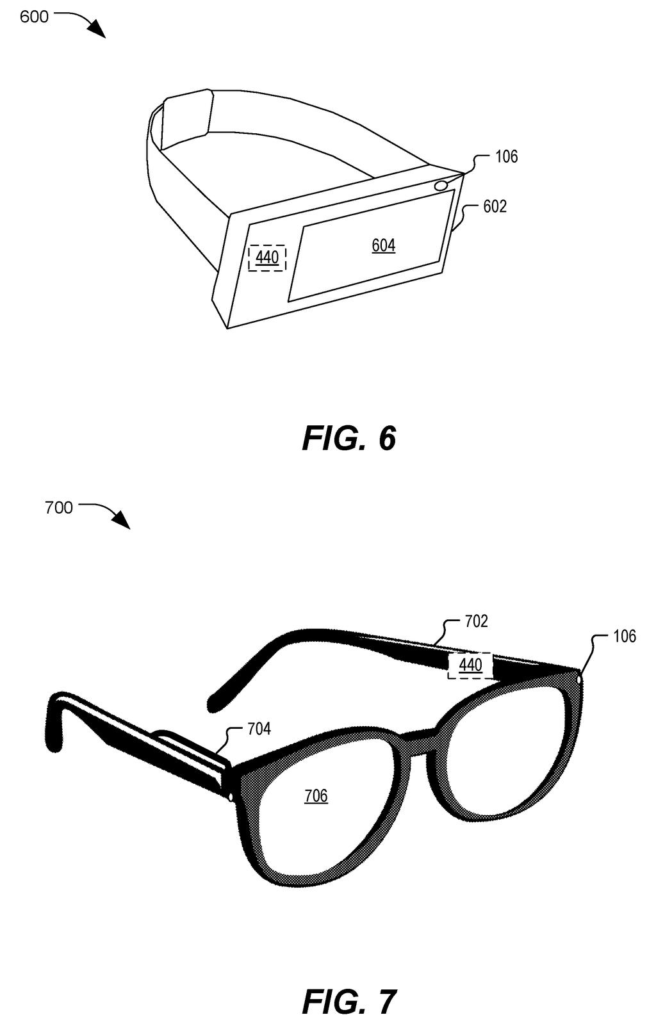
The goal is to make AI-powered video analysis more efficient on devices where memory and processing power are limited, like smartphones, security cameras, or augmented reality headsets. Less redundant data means the device can run AI vision tasks longer without bogging down.
… determine whether to store the second encoder output data for image-based cognitive analysis.
Translation: Decide if the new video frame is different enough to save for AI processing.
How the encoder compares frames before deciding to save
The patent describes a device with a memory bank that stores what Qualcomm calls encoder output data. A vision encoder is the part of an AI system that converts a raw image into a compact numerical representation that later AI stages can reason about, similar to how a compressed file summarizes a document without storing every pixel.
Here is the core flow:
- The encoder processes the first video frame and saves its output to memory for later AI analysis.
- When the next frame arrives, the encoder processes it too, generating a fresh output.
- Before saving that new output, the system compares the two frames directly.
- If the frames are similar, the new encoder output is discarded. If they differ meaningfully, it gets saved.
The comparison step is the key invention here. Rather than blindly storing every frame's encoded representation, the device uses the comparison as a gate. The patent does not prescribe a single comparison method, leaving room for pixel-level differences, feature-level differences, or other metrics.
This selective storage approach means the memory holding these encoder outputs stays lean. Downstream AI processes, the ones doing actual cognitive analysis like recognizing objects or detecting events, then work from a curated set of frames rather than a bloated one.
… use a vision encoder to process a second image frame of the sequence of image frames to generate second encoder output data.
Translation: Run the next video frame through an encoder to create new data.
What this means for AI cameras in phones and edge devices
For any device running AI vision continuously, memory is a real constraint. A security camera that stores redundant analysis data for hours of static footage, or a phone running an AI assistant that watches the world through its camera, can choke on the sheer volume of that data. Qualcomm's approach is practical engineering: treat the encoder output pipeline like a filter, not a firehose.
Qualcomm makes the chips that power a large share of the world's Android phones, wireless earbuds, and edge AI devices, so a technique like this could flow into hardware used by hundreds of millions of people. The new Big Tech patents in the on-device AI vision space show a consistent push toward doing more analysis locally without overwhelming device memory, and this filing fits squarely in that effort.
This is the 40th Qualcomm filing we've tracked in our AI chip wars watchlist since July, adding to work like one on chip memory sleep mode and one on faster memory calculations.
The gap between this patent and a real product is unusually small. The decision layer it describes runs on top of camera and AI hardware Qualcomm already ships, with no new chip design required.
The one real engineering question is where to set the threshold for what counts as "different enough" to save. Too strict and the system misses frames it needed; too loose and it saves everything anyway. That is a tuning problem for a product team, not a research obstacle.
For anyone using an AI-powered camera on a phone or wearable, this is what makes always-on smarts feel sustainable rather than battery-draining and slow. The path from filing to feature looks short.
Get our take in your Top Stories
Liked this breakdown? Add Patentlyze as a preferred source on Google, and our plain-English take shows up more often in your Top Stories the next time Qualcomm patent news breaks.
There are more where this came from
We read every patent application Big Tech publishes and send you the ones worth knowing. Plain English, free, every week.
The drawings
14 drawing sheets from US 2026/0253255 A1 · click any drawing to enlarge


Want this weekly breakdown for a company we don't cover? Patentlyze Pro →
Be the first to weigh in