
Salesforce
Salesforce · AI / ML · Filed May 9, 2025 · USPTO published Nov 12, 2026 · This week's release
Salesforce Files Patent for an AI That Writes Hidden Text to Lift Search Rankings
Salesforce describes an AI that studies the pages beating yours in search, then rewrites the hidden labels on your own page to match. The goal is to climb the rankings without anyone editing code by hand.
- Publication number
- US 2026/0359377 A1(US20260359377A1)
- Applicant
- Salesforce, Inc.
- Filed · Published
- May 9, 2025 · Nov 12, 2026
- Inventors
- Nikhil KAPRE, Tarundeep BATRA, Jayakrishnan Radhakrishna PILLAI
- Status when we published
- Waiting for an examiner
- Document
- 20 claims
- US classification
- 707/735
- Examiner
- HARPER, ELIYAH STONE (Art Unit 2166)
What Salesforce's search-ranking AI agent does
A small shop sells hand-stitched hiking boots, and its product page is full of lovely writing. Yet the page is buried deep in search results, because the spots search engines read most closely, like the hidden page title and the written descriptions of images, are thin or empty.
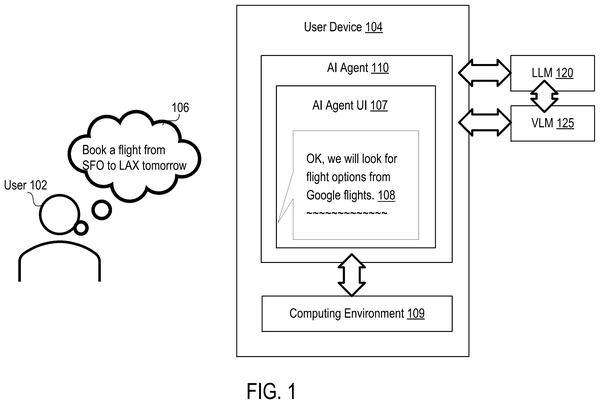
Salesforce's patent application describes an AI agent that fixes that for you. It first looks at pages already ranking at the top for your topic and works out what they do well. Then it reads the business text on your own page, brainstorms keywords, keeps only the ones that truly fit your business and topic, and writes them into those hidden spots.
You can approve the keywords before they go live, and the system can work through many pages at once.
… generating, using an artificial intelligence (AI) agent based on an instruction and the business information, a plurality of keywords for the second section of the webpage, wherein the instruction comprises: a goal for the AI agent, the goal being associated with the business information; and an action to be performed by the AI agent in order to achieve the goal …
Translation: An AI agent creates keywords based on specific business goals and instructions.
How the agent picks keywords for hidden tags
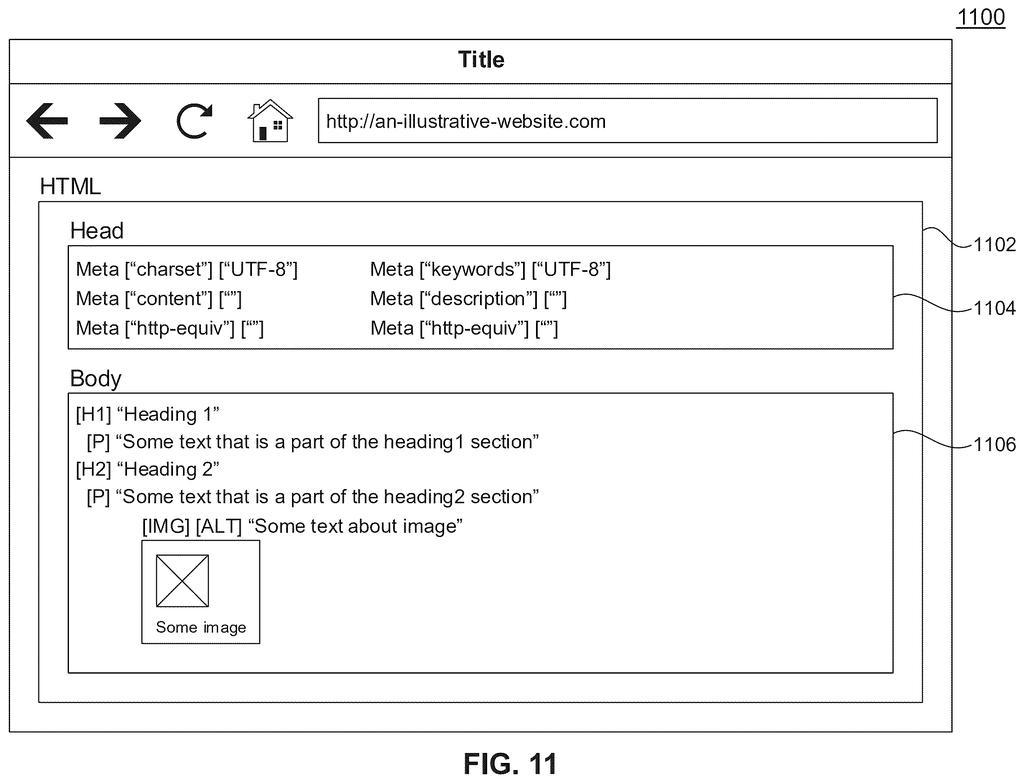
The filing starts by splitting a web page into two kinds of sections. One is the business section: the visible text about your products, services or ideas. The other is the set of spots that search engines weigh heavily when they score a page, such as meta tags (short descriptions tucked into the page's code), image alt text (the written description of a picture) and other metadata that visitors never see.
Next, an AI agent (an AI program that is handed a goal and the steps to reach it) generates a list of keywords for the business section. Its instructions come from a first look at other top-ranking pages on the same topic: the system identifies what those pages do well, then tells the agent to work those traits into its keywords.
The raw list can include filler words and terms that fit the business but not the page's topic. So the system:
- Keeps only the keywords that are relevant to the business information
- Aligns them to the page's topic, for example by choosing closely related terms
- Inserts the survivors into the hidden spots, up to each spot's length limit
Around that core, the filing also describes an optional step where a person approves the keywords, a page score that is saved and compared against a threshold, real-time updates, and a batch mode for processing many pages at once.
Disclosed herein are system, method, and computer program product aspects for dynamically elevating a SEO score of a page based on an automated artificial intelligence powered and agent centric framework.
Translation: The system uses automated artificial intelligence to automatically boost a webpage search ranking.
Why store owners could care about this filing
If you run a small online shop or a company blog, the pitch is simple: ask for better search visibility in plain language and let an AI do the fiddly work of rewriting page titles, descriptions and image labels. The filing describes taking requests in everyday words, so nobody has to edit code page by page.
For Salesforce, the filing ties the idea to its existing product families: it names page readers built for its Commerce, Sales and Marketing clouds. Pages with well-filled hidden labels can show up higher in search results, which means more visitors without paying for ads. For shoppers, the flip side is that more pages may end up tuned by software to look like whatever the top results already do.
Salesforce lands its 27th filing we've tracked since May in our AI agents acting for you watchlist, adding to earlier work like learning from bad examples and teaching robots by hand.
Source: US 2026/0359377 A1 at the USPTO (PDF). Full patent text and figures are in the official publication.
Get our take in your Top Stories
Liked this breakdown? Add Patentlyze as a preferred source on Google, and our plain-English take shows up more often in your Top Stories the next time Salesforce patent news breaks.
Add Patentlyze on Google
One click.
There are more where this came from
We read every patent application Big Tech publishes and send you the ones worth knowing. Plain English, free, every week.
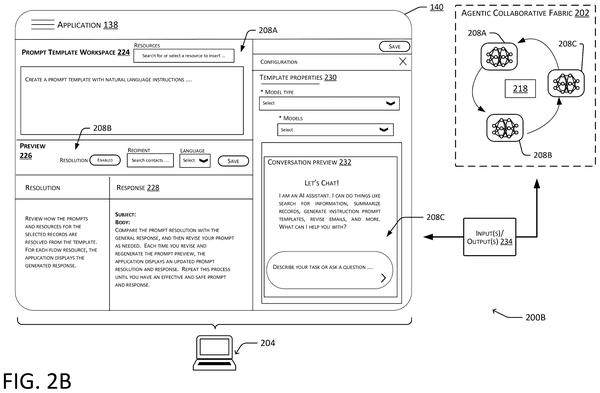
The drawings · 13 sheets
13 drawing sheets from US 2026/0359377 A1 · click any drawing to enlarge


Show the other 5 sheets


More from Salesforce
All 108 Salesforce patents →
More in AI / ML
All 2,637 AI / ML patents →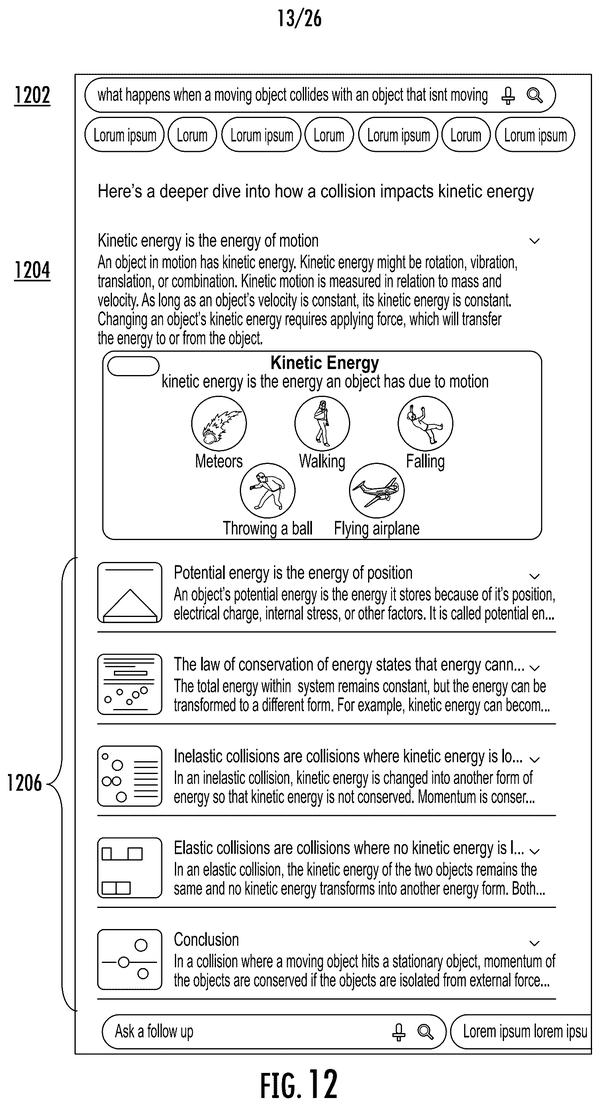
Google
Google Files Patent for a Search Tool That Researches Big Questions for You
Google
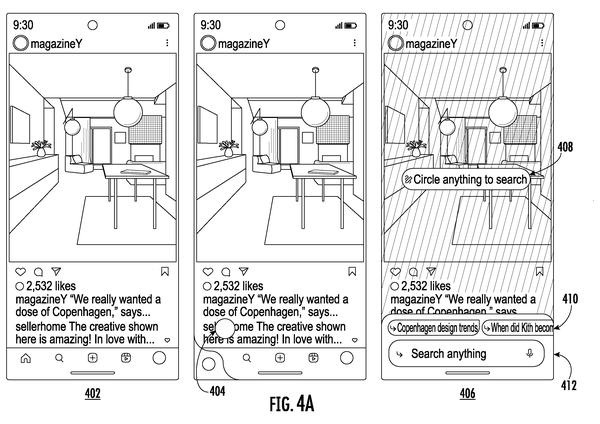
Google Patent Reveals Visual Search That Recommends Apps From Your Screen Content
Google
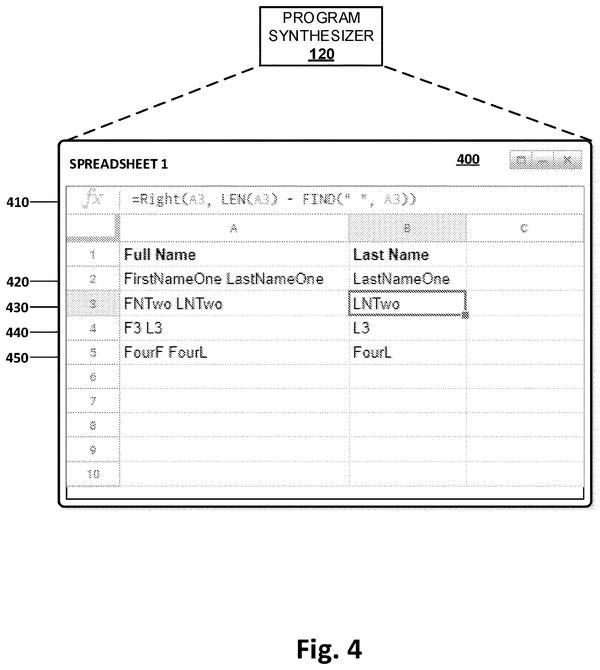
Google Patents a System That Writes Your Spreadsheet Formulas From Examples
Google
No comments yet