
Samsung Patents a Navigation Display That Knows Which Way Your Phone Is Pointing
Getting turn-by-turn directions on foot has always had one annoying flaw: your phone shows you a map, but it has no idea which way you're actually facing until you start walking. Samsung is patenting a smarter fix.
What Samsung's direction-aware navigation actually does
Ever tried to follow walking directions on your phone, only to spin in a circle at a busy intersection trying to figure out which way is "straight ahead"? It's one of those small but genuinely frustrating problems that GPS-based maps have never fully solved.
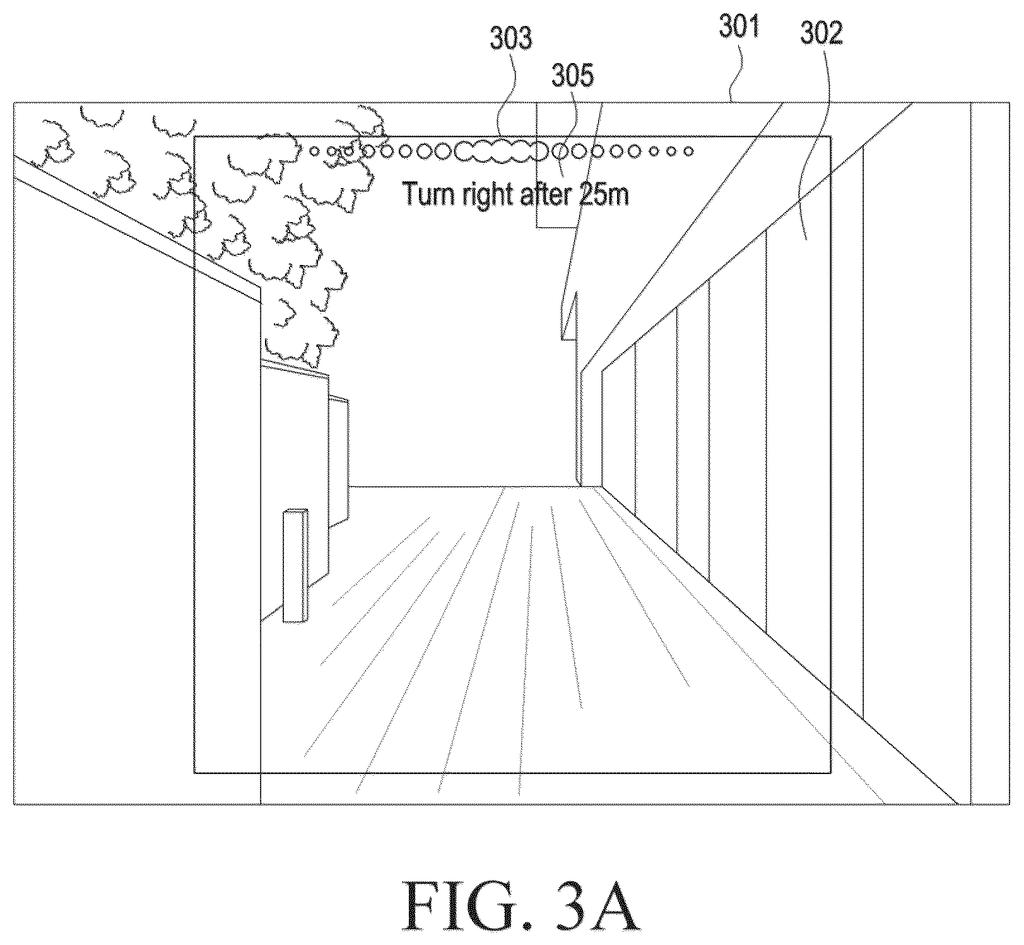
Samsung's patent describes a system where your phone uses its built-in sensors, like a compass or accelerometer, to detect the exact direction you're holding the device. Based on that, it then displays a visual indicator showing how far off you are from the direction you should be heading. The display adjusts in real time as you rotate.
Instead of just showing you a static arrow or a top-down map, the idea is that the phone highlights a specific visual range on screen that corresponds to your target direction. So if you need to turn right 30 degrees, the display tells you that, relative to exactly where your phone is pointing right now.
How the device measures facing direction and picks what to show
The patent describes an electronic device, most likely a smartphone, that combines GPS location data with sensor readings to deliver more context-aware pedestrian navigation.
Here's how the system works step by step:
- Current location: GPS circuitry pinpoints where you are.
- Intermediate destination: Rather than routing you straight to your final destination, the system identifies a nearby waypoint along the path, a kind of stepping-stone target.
- Device facing direction: Onboard sensors (likely a magnetometer or gyroscope) determine which way the phone itself is oriented in space.
- Display object: The screen shows a visual element corresponding to a "first range," meaning the angular gap between the direction you need to go and the direction your phone is currently facing.
The key idea is the angular comparison. The system calculates the difference between your required heading (toward the intermediate destination) and your actual heading (where the phone points). It then maps that difference onto a displayed object, which could be a highlighted arc, an arrow zone, or a colored region on screen.
This means the visual feedback is always relative to your current orientation, not to an abstract north-up map. Rotate your phone or your body, and the display updates to reflect the new angular gap.
What this means for walking navigation on your phone
Walking navigation is one of those things that sounds solved but really isn't. Anyone who has used Google Maps or Apple Maps on foot in a dense city knows the moment of confusion when you exit a subway station and have no idea which direction the map is pointing. Your phone typically waits until you've walked a bit before it can infer your heading from movement, and by then you may have already gone the wrong way.
Samsung's approach, if it works well in practice, could make that first few seconds of a walking route much less confusing. Rather than waiting for you to move, the phone reads its own orientation directly. For people navigating unfamiliar areas, particularly in dense urban environments where street grids don't always follow cardinal directions, that immediate feedback could genuinely reduce wrong turns.
Samsung's 1353rd filing in our Samsung coverage since May adds to a pattern of home-sensing ideas, joining applications like the fridge camera and the room-mapping device.
Walking in the wrong direction because your phone took a few seconds to figure out which way you were facing is one of those small failures that feels bigger than it should. It happens on nearly every walking trip, burns time, and teaches people not to trust the app.
That erosion of trust has real costs. Navigation apps are most useful in unfamiliar places, exactly where a wrong first step wastes the most time and causes the most stress.
What Samsung is patenting here is a visual signal that tells you when your phone has confirmed you are pointed the right way before you take your first steps. Whether that signal is clear enough to read on a bright sidewalk, or calm enough not to add noise to an already busy screen, is the whole question. The problem justifies the effort; the execution will determine whether it actually helps.
There are more where this came from
We read every patent application Big Tech publishes and send you the ones worth knowing. Plain English, free, every week.
The drawings
37 drawing sheets from US 2026/0287387 A1 · click any drawing to enlarge


Want this weekly breakdown for a company we don't cover? Patentlyze Pro →
Be the first to weigh in