
Samsung Patents a Way to Verify Wearable Users by the Light in Their Eyes
Before a wearable even attempts an iris scan, Samsung wants it to check something simpler: where the tiny reflections of its own LEDs land in your eye. If those reflections aren't in the right place, the device won't even bother authenticating.
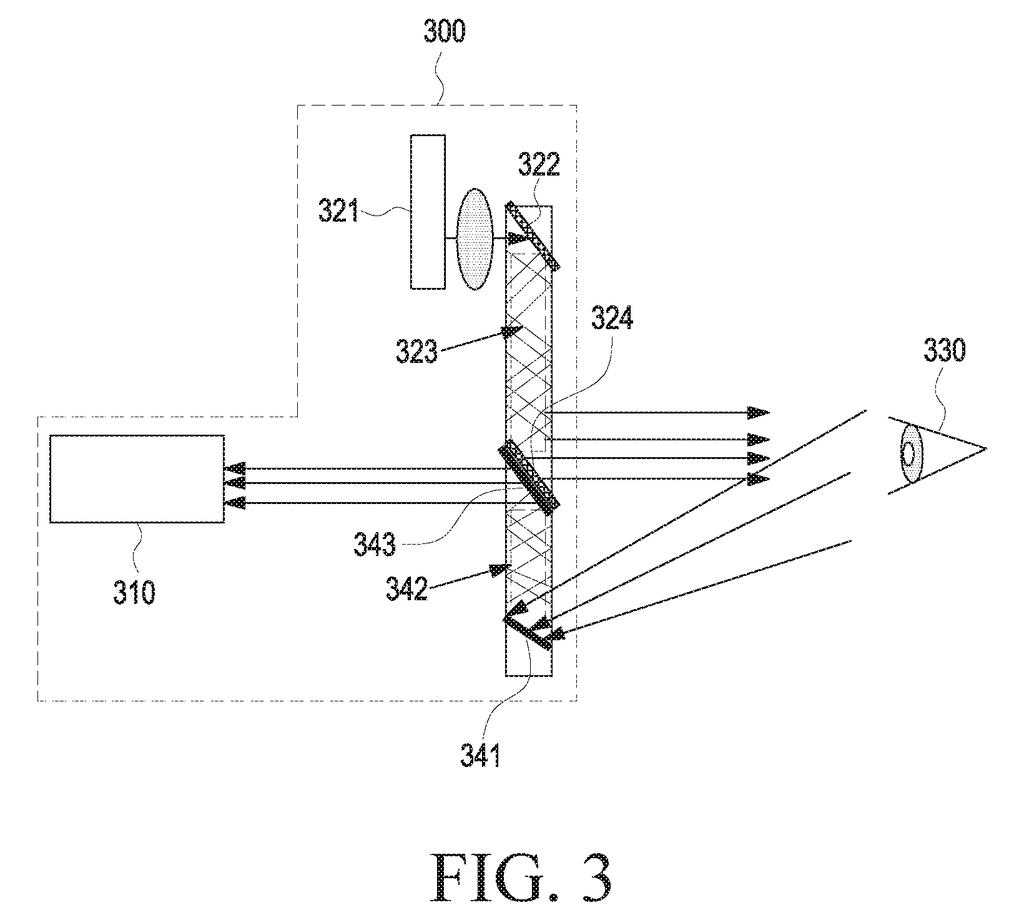
What Samsung's eye-glint identity check actually does
Have you ever wondered how a pair of smart glasses or a headset could tell whether it's actually on your face, or sitting on someone else's? That's the question Samsung is trying to answer with this patent.
The idea is straightforward. The wearable shines small lights (LEDs built into the device) toward your eye, then takes a photo of your eye using its built-in camera. Those lights create tiny bright spots called glints, basically reflections that appear on your eye's surface. The position of those glints reveals a lot: whether an eye is real, whether the device is sitting at the expected angle on a real face, and even whether the person is wearing glasses.
Only after that quick glint check passes does the device move on to a full iris scan, the deeper identity verification most people associate with eye-based security. Think of it as a fast bouncer check before the VIP entrance.
… based on position information of at least one glint, included in the obtained eye image and corresponding to the at least one light emitting diode, determine whether the user is a legitimate user, and based on the user being the legitimate user, perform an iris authentication for the user.
Translation: The device checks the reflection of its built-in light in your eye to confirm your identity before scanning your iris.
How the glint position triggers iris authentication
The patent describes a wearable device (think smart glasses or a head-mounted display) that combines a camera, at least one LED, and a processor to run a two-stage eye-based security check.
Stage one: glint detection. When the device senses it has been put on, it flashes its built-in LEDs and captures an image of the user's eye. The patent focuses on the position of glints (the bright spots created by LED light reflecting off the eye's surface). Because the LEDs are fixed in known locations relative to the camera, a real eye wearing the device correctly will produce glints in predictable positions. If the positions are off, something is wrong.
Stage two: iris authentication. Only if the glint positions look right does the device proceed to a full iris scan, which compares the unique pattern of the iris (the colored ring around your pupil) against a stored reference.
The patent also notes that the system can factor in:
- The elliptical shape of the pupil (a real eye seen from an angle looks like an oval, not a circle)
- The elliptical shape of the iris
- Whether the user is wearing glasses, which affects how glints appear
The core logic: use cheap, fast LED-and-camera geometry as a pre-filter, so the more computationally expensive iris scan only runs when the device is confident it's looking at a legitimate, properly positioned human eye.
Whether the user wearing the electronic device is a legitimate user may be determined based on at least one among position information of a glint for the eyeball image, the elliptical shape of a pupil, the elliptical shape of an iris, and whether glasses are worn.
Translation: It decides if you are the right user by analyzing eye reflections, pupil shape, iris geometry, and whether you wear glasses.
What this means for wearable security and spoofing
For wearables, standard fingerprint or face-unlock approaches don't translate well. A device on your face needs to verify you while it's already on you, quickly, without making you hold still or look at a separate sensor. This patent addresses that friction by running the security check as part of the act of putting the device on.
The spoofing angle matters too. Iris scanners have historically been fooled by printed photos of eyes. By checking the physical geometry of LED reflections first, Samsung's approach adds a layer that's much harder to fake with a flat image. Samsung's steady investment in biometric wearable security points toward a future where Galaxy glasses or XR headsets skip the PIN entirely.
This is the 42nd Samsung filing we've tracked in our AR glasses race watchlist since May, following one on eye sync and one on collision alerts.
Claim 1 covers a wearable device that uses its own built-in lights, a camera, and a specific sequence of checks: glint position, pupil shape, iris shape, and whether the user is wearing glasses. The claim does not specify any particular math or algorithm for those checks, just that the device performs them in that order using its own hardware.
That structural breadth matters. Any competitor building smart glasses or a headset that pre-screens an eye using onboard lights before running a full identity check would fall inside this claim, regardless of how their software actually works under the hood.
The claim is bounded by two real limits: the device must be worn on the body, and the lights must be built into the device itself. That keeps ordinary phone-based face or eye scanning outside its reach. But within the wearable category Samsung is clearly targeting, the claim covers a lot of ground.
There are more where this came from
We read every patent application Big Tech publishes and send you the ones worth knowing. Plain English, free, every week.
The drawings
16 drawing sheets from US 2026/0268709 A1 · click any drawing to enlarge


Want this weekly breakdown for a company we don't cover? Patentlyze Pro →