
Samsung Patent: Shrinking Video Color Data by Splitting Footage Into Segments
Samsung has filed a patent for a display technique that chops a video into pieces, compresses the color information in each piece, and then reassembles a smaller-data version of the original for playback, all without the viewer (in theory) noticing a difference.
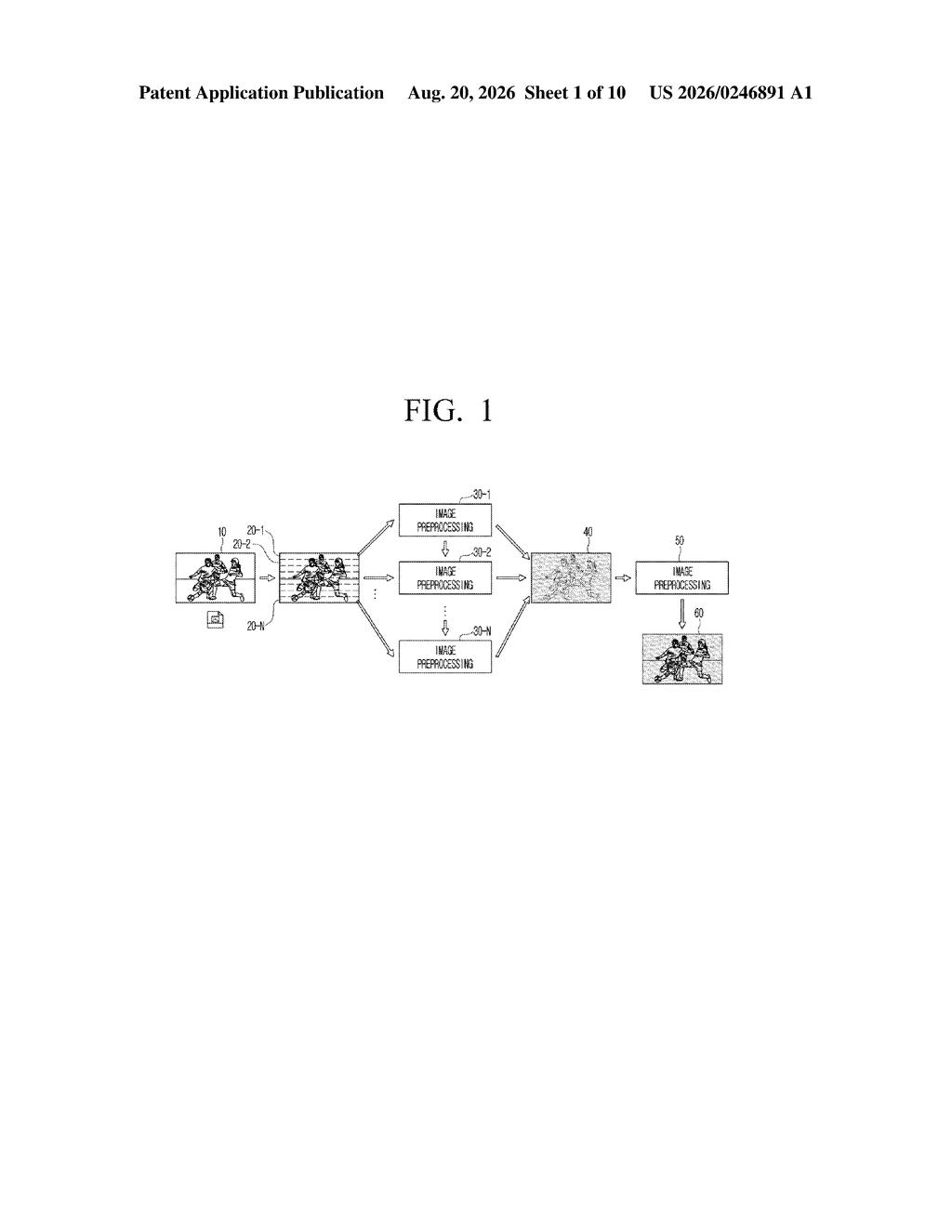
What Samsung's segmented color-compression actually does
Every time a video plays on your TV or phone, the device is juggling an enormous amount of color information, far more than your eyes can probably distinguish. All those precise color values eat up processing power and memory, even when much of that data never meaningfully affects what you actually see on screen.
Samsung's patent describes a method where the device first breaks an incoming video into short segments. It then takes the color data from those segments and squeezes it into a simpler, smaller range of colors (think of it like converting a painting from oil to watercolor, you lose some fine detail, but the overall image holds up). The result is a leaner set of color data that the display uses to reconstruct and show the video.
The practical idea is that your display could handle high-quality video with less data moving around inside the device, which could mean lower power draw or faster processing, depending on how the hardware uses the savings.
acquire a plurality of sub-videos by segmenting a first video received through the communication interface …
Translation: The device breaks down incoming footage into smaller clips.
How the gamut-mapping pipeline shrinks each video chunk
The patent describes an electronic device (a TV, phone, tablet, or monitor) that processes video in three steps before it reaches the display panel.
- Segmentation: The incoming video stream is sliced into multiple shorter sub-videos, which lets the device handle color processing in manageable chunks rather than all at once.
- Gamut mapping: Each chunk's color data (its gamut, meaning the full range of colors encoded in the video) is converted from the original wide color space to a narrower one. The patent specifies that the resulting data is smaller in size than what came in, which is the core compression benefit.
- Display reconstruction: The device then uses that compressed, remapped color data to drive the display, rendering what is described as a video that corresponds to the original.
The phrase "first partial video data" in the claim is notable: the system doesn't necessarily remap all frames in a segment, only a subset. That suggests the method may use representative frames to define the color transform and then apply it more broadly, reducing the computation needed per frame.
… acquire second video data by performing gamut mapping on first partial video data corresponding to the sub-videos to map the first partial video data to a second gamut different from a first gamut corresponding to the first video …
Translation: It shrinks the color data by translating the video into a different color space.
What this means for Samsung's display processing pipeline
For everyday viewers, the promise here is that a device could stream or process high-color-range video, the kind that comes from HDR sources or wide-gamut cameras, while keeping the internal data load manageable. That matters most on battery-powered devices like phones and tablets, where every bit of processing that can be trimmed down translates to a longer charge.
The filing sits in a well-established area of display engineering, and it's incremental rather than transformational. Still, display processing efficiency is a real competitive axis for Samsung, which makes both the screens and the chips inside many of its own products. Big Tech patent news in display technology regularly surfaces this kind of system-level optimization, where small gains in color-data handling add up across millions of shipped devices.
Samsung's 1050th filing we've tracked in our Samsung coverage since May joins the emergency video fix and the heat-based dimming display.
For most viewers, the practical benefit lands as a device that runs cooler and drains the battery a little more slowly during a long HDR movie, which is a real comfort improvement even if the picture looks identical. The segmented processing approach addresses a thermal and power constraint that tends to show up most painfully on mid-range hardware, where a two-hour film can turn a phone into a hand warmer. That is a concrete failure this patent works to prevent, and it matters most precisely when a viewer is least likely to think about it.
Get our take in your Top Stories
Liked this breakdown? Add Patentlyze as a preferred source on Google, and our plain-English take shows up more often in your Top Stories the next time Samsung patent news breaks.
There are more where this came from
We read every patent application Big Tech publishes and send you the ones worth knowing. Plain English, free, every week.
The drawings
10 drawing sheets from US 2026/0246891 A1 · click any drawing to enlarge


Want this weekly breakdown for a company we don't cover? Patentlyze Pro →
Be the first to weigh in