
Sony Patents a Camera System That Fixes the Wrong Image on a Screen Mid-Shoot
When multiple cameras shoot the same screen at the same time, each one ideally sees content tailored to its own angle. Sony's patent describes a system that makes that happen automatically, swapping out placeholder images in real time so every camera gets the right picture.
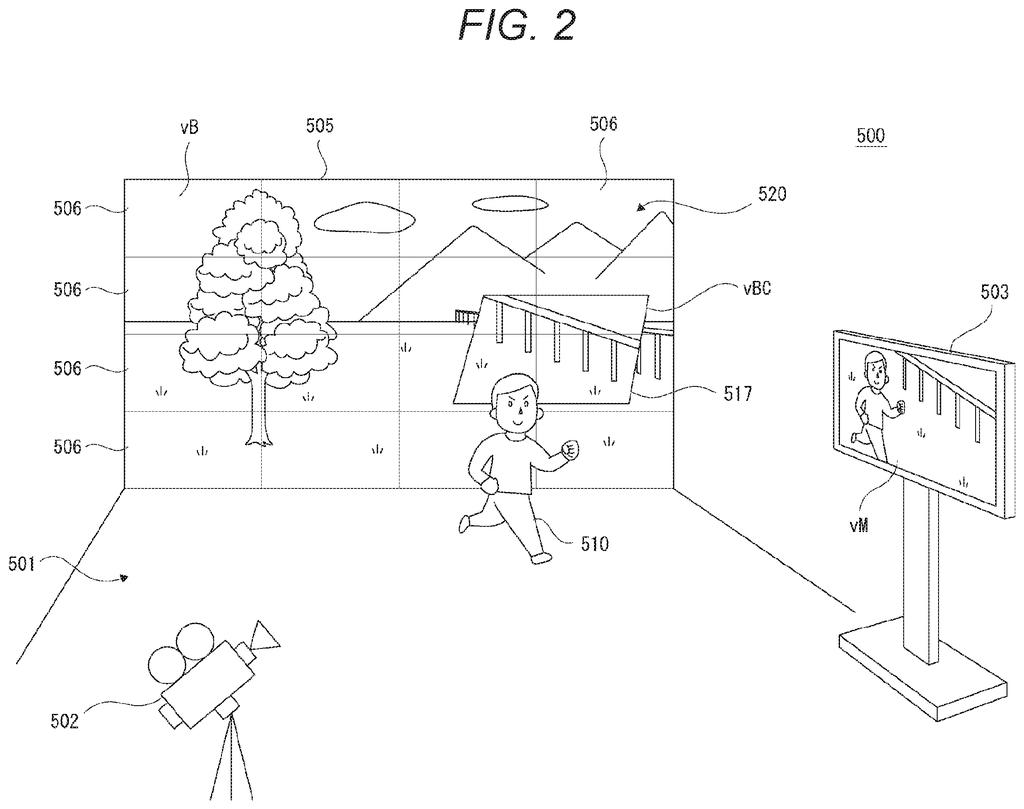
What Sony's time-division screen swap actually does
Every time a TV production crew films a scene with a screen in the background, every camera in the room captures the same image on that screen. That image can't be perfectly right for every angle at once, which creates a headache in post-production when editors want each camera's footage to show something specific.
Sony's patent tackles this by having the screen rapidly cycle through images faster than the cameras can individually detect, a technique called time-division display. Each camera is set up to recognize the version of the image meant for it and automatically swap out any "wrong" version before the footage is saved or broadcast.
The result is that each camera's final recording shows the screen content that was intended for that exact viewpoint, without editors having to manually replace the screen image in every shot. It's the kind of tedious fix that currently eats hours of editing time, handled invisibly by the camera itself.
… a first captured video including an object and a specific video displayed on a display, wherein the display is controlled to display a first corresponding video and the specific video in a time-division manner …
Translation: The camera records both a physical object and a screen that rapidly alternates between different video feeds.
How the camera detects and replaces the placeholder image
The system involves a display that shows two types of content in rapid alternation: a corresponding video (content generated specifically for one camera's angle) and a specific video (a generic placeholder, generated independently of any camera).
Because the display cycles through these two versions faster than the eye or a standard camera can easily separate them, each camera in the scene could, without intervention, inadvertently capture the wrong version. Sony's approach gives each camera the intelligence to identify which frames contain the placeholder and replace them.
- The display alternates between the camera-specific image and the generic placeholder using time-division multiplexing (think of it like a very fast slideshow that only one camera at a time is "meant" to see).
- A first camera captures footage that includes both the object in the scene and the placeholder image on the screen.
- The camera's onboard circuitry detects the placeholder frames and replaces them with a second corresponding video, the correct content generated specifically for that camera's perspective.
The replacement happens at the camera level, meaning the corrected footage is clean before it ever reaches an editor or a live broadcast feed. The patent covers the camera itself, the image-processing logic, and the broader system coordinating multiple cameras against a single shared display.
… performs video processing of replacing the specific video with a corresponding video for a first captured video including the object and the specific video …
Translation: The system automatically swaps out the incorrect screen content with the proper footage from the recording camera.
What this means for multi-camera video production
For anyone watching a live broadcast or a polished film, this is the kind of problem they'd never knowingly notice, but would definitely feel if it went wrong. A news anchor with the wrong graphic on the screen behind them, or a movie scene where the laptop in frame shows gibberish, breaks the illusion immediately. Getting this right currently requires either carefully choreographed single-camera setups or painstaking visual effects work after the fact.
Sony occupies a significant position in both professional camera hardware and content production tools, so a patent like this fits squarely into their work on production workflows. Multi-camera shoots, from sports broadcasts to studio productions, all deal with this screen-content problem in some form, and automating the fix at the camera level is a meaningful reduction in post-production labor. This filing is part of the broader wave of imaging and display-system innovation tracked across Big Tech patent news, where camera makers are increasingly pushing editing intelligence closer to the lens itself.
This is the 71st Sony filing we've tracked in our display coverage since May, which has also included one on shared pixel light controls and one on spotting moving subjects faster.
For a camera operator on a live broadcast, the screen in the background of a shot has always been a silent liability. If it shows the wrong thing for the angle being filmed, there is no time to fix it later, and the mistake goes out to viewers as-is. This solves that specific failure before it happens.
The benefit lands most clearly in live or near-live production, where a director is cutting between cameras in real time and cannot pause to clean up what ended up on screen. Each camera automatically gets a version of whatever is displayed that makes sense for its angle, without anyone intervening.
For scripted work with a full post-production schedule, the urgency is lower, since editors already have tools for replacing screens after the fact. But for broadcast teams racing a clock, preventing that error at the moment of capture is a concrete, immediate gain.
Get our take in your Top Stories
Liked this breakdown? Add Patentlyze as a preferred source on Google, and our plain-English take shows up more often in your Top Stories the next time Sony patent news breaks.
There are more where this came from
We read every patent application Big Tech publishes and send you the ones worth knowing. Plain English, free, every week.
The drawings
26 drawing sheets from US 2026/0252298 A1 · click any drawing to enlarge


Want this weekly breakdown for a company we don't cover? Patentlyze Pro →
Be the first to weigh in