
Sony Patents a System That Reads Your Voice to Find Better Multiplayer Matches
Sony's latest patent would have your PlayStation listen to how you talk during a game, then use what it learns to pick your teammates, and to mute, soften or bleep the ones who don't fit. No forms, no surveys.
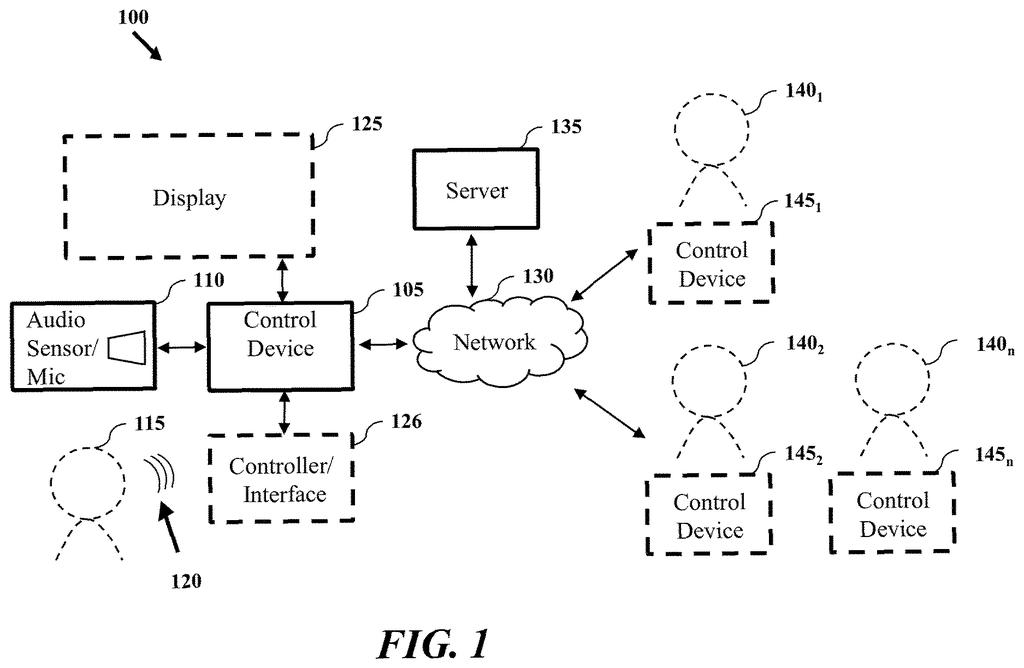
How Sony's voice-based matchmaking would actually work
You're three matches into a night of online play, chatting with your squad. Without you filling in anything, the console is noting how often you talk, how loud you get, whether you coordinate or stay quiet, and the words you reach for. Sony's patent turns those signals into a read on the social experience you prefer.
That reading goes into a profile the system keeps updating. The profile decides who you get grouped with the next time you queue, and it shapes what you hear: another player's voice can be blocked, turned down when it spikes past a set volume, or have words swapped out before it reaches you.
The filing is blunt about why. Some players are stressed by shouting, some swear constantly and should not be matched with younger players, and sometimes there is a baby in the room. Sony first filed the idea in June 2023; this is a follow-on application.
… obtaining voice data representing vocal utterances of the first user during gameplay of the multiplayer video game; determining, by a voice analysis model, a characteristic of the first user based on the voice data …
Translation: The system records your voice while you play and uses AI to figure out traits about you.
How the system links voice analysis to player profiles
The system starts with a player's voice during live gameplay, picked up by the console, controller, headset or TV microphone, and only with the player's consent.
From that audio it scores a socialization preference. Intensity comes from word choice and volume: challenging or engaging commentary and voice above a volume threshold read as high intensity, passive chatter as low.
A learning model, trained per game, also estimates mood, emotion, personality and interests. The filing names the traits it is after: sociability, chattiness, friendliness, patience and irritability.
Those scores feed a user profile that drives two controls:
- Matchmaking: quiet, calm players can be grouped with each other, a player can set the level of aggressive speech they want in a lobby, including age controls, and can even ask to be matched with people who would improve their own patience, teamwork or politeness.
- Audio control: the system can block a player's voice to you, pull outbursts above a decibel rating back into a set range, remove profanity, replace specific words and phrases, or dial a player's chattiness up or down.
It keeps listening during the session, so a lobby that turns ugly can be reshuffled without waiting for the next queue.
… filtering audio output to a user, filtering intensity and/or modifying audio output to a user.
Translation: The software can adjust or mutes sounds and chat volume based on what it learns about you.
What this means for PlayStation online multiplayer
For everyday PlayStation players, bad lobbies are one of the most consistent complaints in online gaming, and they usually come down to a mismatch in how people talk rather than how well they play. A system that learns your preferences from your own voice, with no settings screen, lowers the bar a lot.
The audio layer is the part to watch. Turning down, muting or rewording another player based on a behavioral profile, with no manual mute, raises real questions about transparency for both players.
Sony keeps filing on social-layer tools for multiplayer, and this one reads like a long-term platform feature rather than a one-off idea. Whether that feels reassuring or a little unsettling depends on how much you trust the matching logic.
Sony's fourth filing we've tracked in voice and speech AI since May follows work on replacing scene audio and converting whispers to normal speech.
From a shipping standpoint this is closer to real than it sounds. PlayStation already captures party voice, keeps user profiles and decides who gets grouped with whom. The patent wires those pieces into one loop and asks for no new hardware.
The hard part is the middle step: hearing someone talk and reliably deciding what social experience they want. That has to work across languages, accents and play styles, and a system that gets it wrong produces worse lobbies than no system at all.
The shortest path to a product is the audio side. Capping a loud player at a set volume or bleeping a word is a decision the console can make on its own, and players would notice it the first night. Rebuilding the matchmaking queue around personality is the slower, riskier half.
There are more where this came from
We read every patent application Big Tech publishes and send you the ones worth knowing. Plain English, free, every week.
The drawings
3 drawing sheets from US 2026/0295434 A1 · click any drawing to enlarge


Want this weekly breakdown for a company we don't cover? Patentlyze Pro →
Be the first to weigh in