
Sony Patents a Camera Sensor That Flags Which Parts of a Photo to Ignore
Most of a factory camera's picture is empty conveyor belt, yet the computer behind it usually analyzes every pixel anyway. A new Sony patent application has the sensor itself mark which rows contain something worth looking at.
What Sony's row-flagging camera sensor actually does
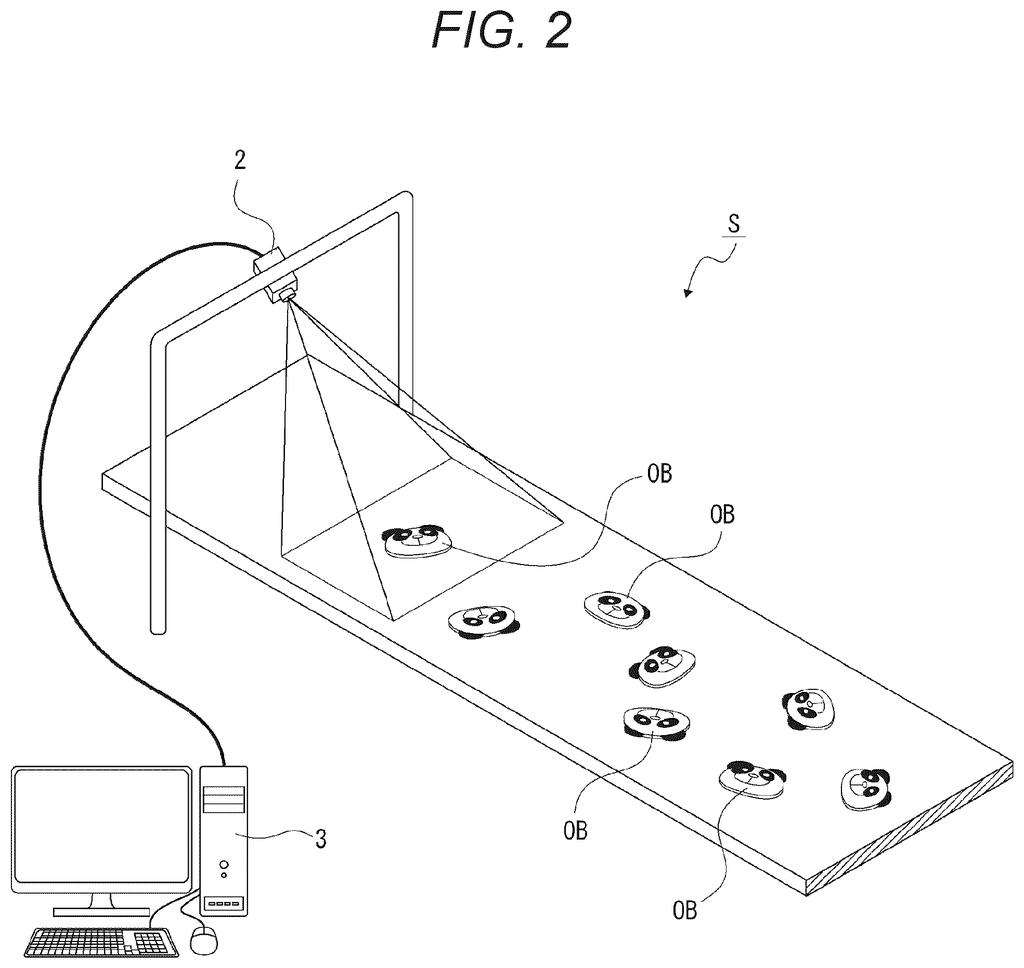
You're standing beside a conveyor belt as products roll past a camera at high speed. The camera shoots dozens of pictures every second, and the computer behind it has to check each one for defects or read a code on the package. Most of every picture, though, is just bare belt.
Sony's patent application puts a little bit of intelligence right inside the image sensor chip. As each row of the picture comes off the sensor, the chip decides whether something interesting is in that row. It then attaches a tiny yes or no note, just a single bit, to that row before sending it along.
The computer downstream can read the note and skip the boring rows without analyzing them. Less work per picture means the system has a better shot at keeping up with fast-moving objects.
… a determination processing unit that determines whether or not every line data output from the pixel array unit is valid line data to be processed in image processing in a subsequent stage …
Translation: The sensor checks each line of pixels to see if it contains useful information or garbage data.
How Sony's sensor tags each row of pixels
The filing describes a camera image sensor that reads out a picture one row (a "line") at a time. For every row, a determination unit inside the sensor decides whether that row is "valid," meaning it should be processed by the image-analysis software further down the line.
The sensor then generates a 1-bit flag (a single 1 or 0) and packages it with the row's pixel data. The description gives two ways to carry the flag:
- Put it in an unused or "reserved" slot of the packet header, the label at the front of each chunk of data, so the packet size stays the same.
- Replace the lowest-value bit of the first pixel in the row, on the theory that the edge of the frame rarely shows the target object.
To decide which rows matter, the example splits the picture into small blocks (8 by 8 pixels) and compares each block's average brightness against a reference, such as an empty belt. It can also watch which way the brightness changes between frames, for instance a bright product entering a black belt. A refinement marks valid and invalid stretches within a row using two extra timing signals.
The claims also cover the data format itself and the receiving device, which reads the flag and skips or discards rows marked invalid.
… an additional information generation unit that generates additional information on a basis of a result of the determination by the determination processing unit …
Translation: It tags the data with notes about which parts of the image the processor should ignore.
Why factory cameras could benefit from Sony's idea
The practical payoff is for machines that inspect things, not for your phone. Factory cameras that check products for defects or read barcodes on fast lines are expected to keep up with frame rates above 30 and 60 per second. If the software can skip rows marked as empty, it spends its effort where the product actually is.
The filing also mentions secondary benefits: less data to move and store, since skipped rows can be dropped. Because the flag rides in a spot that already exists in standard sensor data formats, the idea could slot into existing camera designs without redesigning the connection between chip and computer. It describes industrial inspection and code reading, not consumer cameras.
Sony's 96th filing in the Display patents we cover since May continues its work on shrinking hardware, building on one on stacked display circuitry and one on smaller 3D sensors.
The trade here is that the sensor has to make a judgment call before anyone has seen the full picture. If its quick brightness check wrongly marks a row as empty, the software downstream may never look at a real defect. Anything that is the same shade as the belt, or changes brightness in the unexpected direction, could slip through.
The pixel-swapping option costs a sliver of image data too. Overwriting the lowest bit of the first pixel barely changes a picture, and the filing bets that the frame edge rarely holds the target. That bet only works if the camera is aimed well.
Overall the trade looks worth it for controlled settings like a belt with a known color. It is a modest, practical efficiency idea for industrial cameras, and its value depends on the setup staying predictable.
Get our take in your Top Stories
Liked this breakdown? Add Patentlyze as a preferred source on Google, and our plain-English take shows up more often in your Top Stories the next time Sony patent news breaks.
There are more where this came from
We read every patent application Big Tech publishes and send you the ones worth knowing. Plain English, free, every week.
The drawings
15 drawing sheets from US 2026/0352976 A1 · click any drawing to enlarge


Show the other 7 sheets


Want this weekly breakdown for a company we don't cover? Patentlyze Pro →
Be the first to weigh in