
Sony Patents a Game Helper That Listens for Panic in Your Voice
Say "help" to your game console while you're panicking and you may get a different answer than when you're relaxed. Sony's filing has the system listen for stress in your voice and pick the type of help to match.
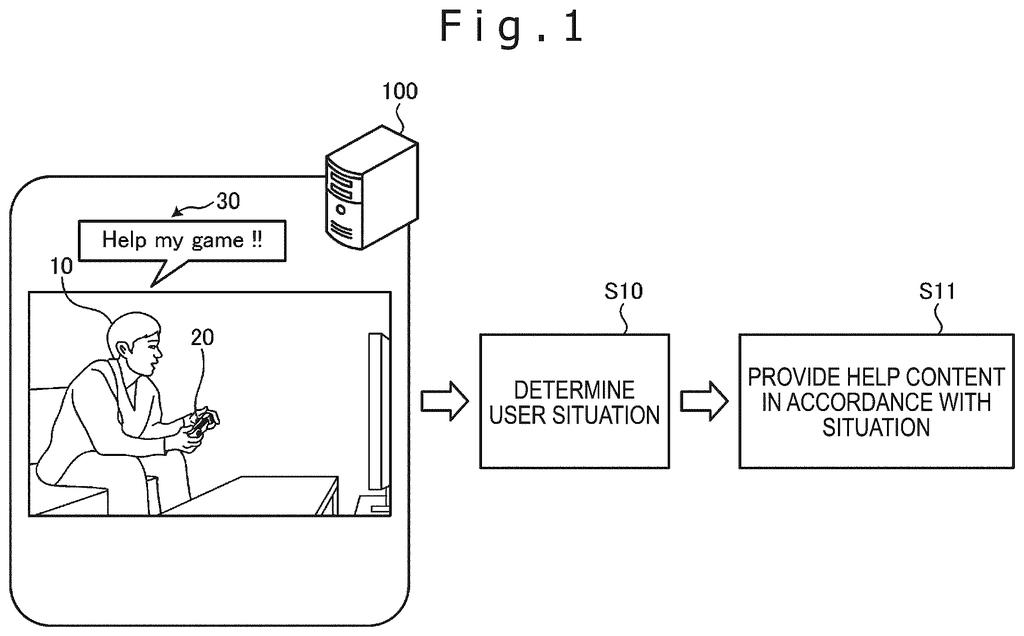
What Sony's urgency-aware game help does
Imagine you're deep in a tense boss fight, about to lose, and you blurt out "Help my game!" A player lounging through an easy level could say the exact same words and want something completely different.
Sony's patent filing tries to tell those two moments apart. It compares how fast, how loud and how high-pitched your voice is against how you normally sound. If you sound rushed, it suggests a quick fix, like inviting an online friend into your game. If you sound relaxed, it points you to official help pages or web guides.
The filing also describes watching how hard you're mashing buttons and squeezing the controller, and shrinking the help pop-up when things get hectic so it doesn't block your view.
… calculate a degree of urgency of the user based on a use situation of the user in the information processing system and select and propose a solution to be presented to the user from among a plurality of solutions related to the request according to the calculated degree of urgency.
Translation: It figures out how stressed you are and picks the right help based on that panic level.
How Sony scores your urgency from your voice
The system has two main parts. A reception section catches a request, such as "help" spoken during a game. A proposal section then works out how urgent you are and picks from several possible solutions.
The main urgency signal is your voice. The system measures speech speed, volume and pitch, then compares them with samples of your normal voice saved when you registered the voice command. A weighted sum of those differences becomes your urgency score. The filing also describes an operation busy score (how often you press buttons, how hard you grip the controller, how sweaty your hands are) and a scene score that game makers preset for each title or scene. A first-person action game, for example, would rate as more urgent than a slow one.
The score sorts help into three tiers:
- High urgency: invite an online friend into the game, or start a voice chat with them.
- Medium: text a friend, or post on a social network you've linked.
- Low: show the game's official help content, or search the web for strategy tips.
It checks whether a friend is online and free, and picks another option if not. If you've just read the official help, it offers something different. When urgency is high, it can show fewer options, use a smaller overlay, reorder the list, or read the suggestion aloud with only a small on-screen notice.
What this means for gamers mid-boss-fight
The practical payoff is help that fits the moment. If you're losing, you don't want a menu of four web guides. You want a person or a short answer. If you're relaxed, you may want the full official walkthrough. The same one-word request would get a different response depending on what you're going through.
The filing says the idea isn't limited to games. It describes a car system that picks a farther but faster convenience store when you sound hurried, a transit guide that gives the quickest route, and a cooking assistant that offers the shortest recipe. The input could also be a button press or gesture instead of voice, so this reads as a general way to make assistants respond to your mood.
Sony's 698th filing in our Sony coverage since May follows patents like the reactive digital ball and catching smurf accounts by button habits.
The best part of this idea is how little it asks of you. You say the word you always say, and the system does the sorting. If you're losing a fight, you get a friend invite instead of a list of web pages, which is what you'd want in the moment.
The risk is a wrong guess. A player who always shouts at the screen, or one playing late at night in a whisper, gives the system confusing clues. The filing leans on button speed, grip and scene settings to cover for that.
You would notice a miss right away, because the pop-up would suggest the wrong kind of help. Even so, shrinking the overlay when the action gets hectic is a small courtesy most players would welcome.
Get our take in your Top Stories
Liked this breakdown? Add Patentlyze as a preferred source on Google, and our plain-English take shows up more often in your Top Stories the next time Sony patent news breaks.
There are more where this came from
We read every patent application Big Tech publishes and send you the ones worth knowing. Plain English, free, every week.
The drawings
12 drawing sheets from US 2026/0346133 A1 · click any drawing to enlarge


Show the other 4 sheets


Want this weekly breakdown for a company we don't cover? Patentlyze Pro →
Be the first to weigh in