
Qualcomm Patents a Phone That Fakes Out Wireless Surveillance Sensors
Your phone could one day detect that someone nearby is using radio waves to track your movements — and automatically lie to them about where you are and what you're doing.
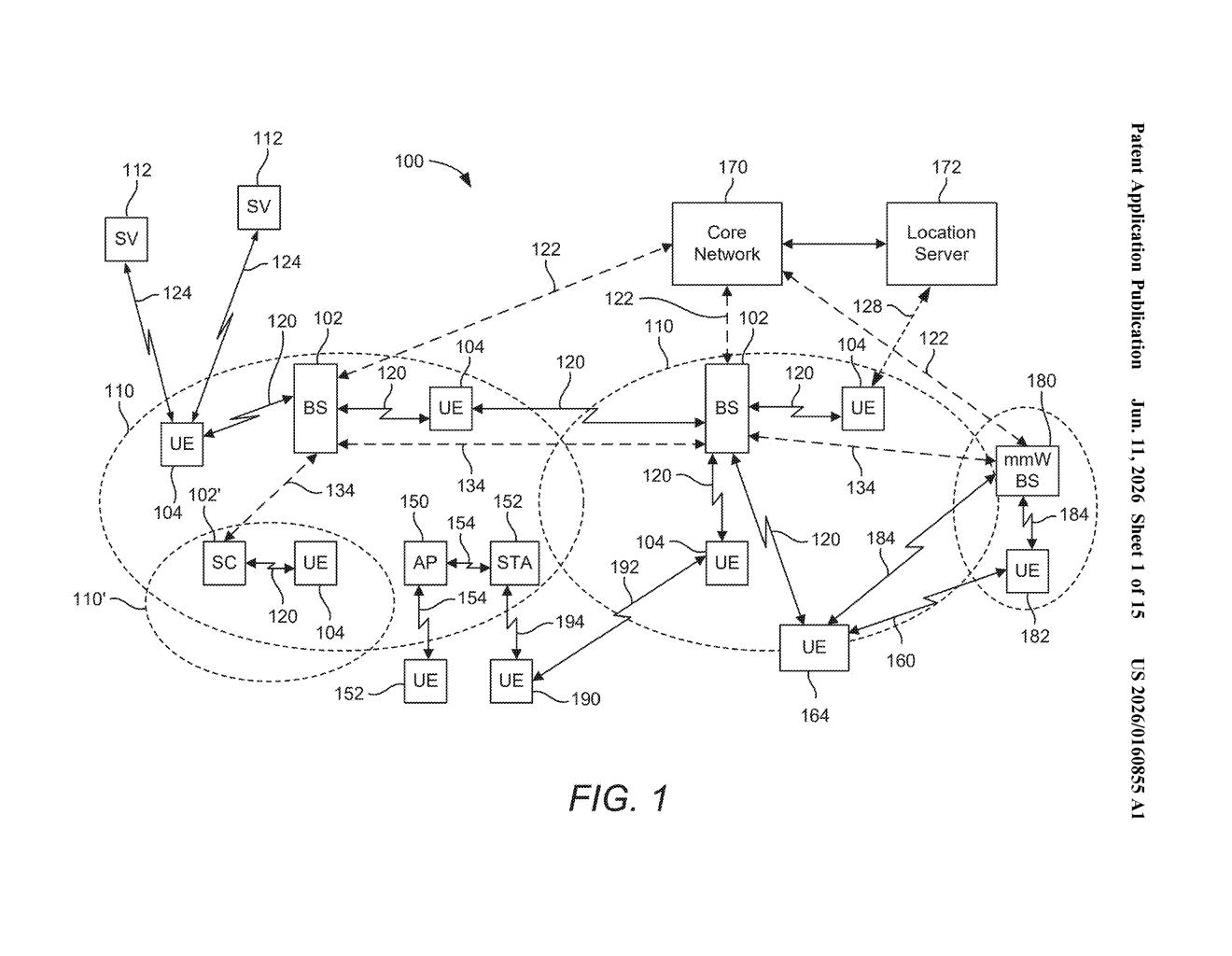
How Qualcomm's anti-sensing decoy actually works
Imagine a retailer, landlord, or even a stranger using a radar-like device to silently track how many people are in a room, where they're standing, or whether anyone is moving. These so-called wireless sensing systems use the same radio frequencies as Wi-Fi and 5G to "see" through walls or across open spaces — and you'd never know it was happening.
Qualcomm's patent describes a phone that can recognize when it's being scanned by one of these devices and fight back — not by blocking the signal, but by lying to it. The phone would transmit its own carefully crafted radio signals that make the sensing device think there are fake people or fake movements in the area, muddying the picture entirely.
Think of it like a squid releasing ink. Instead of going silent and hoping not to be noticed, your phone would flood the sensing device with convincing decoys. The result: the tracker can't reliably tell what's real.
How the UE detects, then spoofs, sensing signals
The patent describes a user equipment (UE) — industry shorthand for any device on a cellular or wireless network, typically a smartphone — that performs two key actions in sequence.
First, it receives and recognizes wireless sensing signals. These are radio transmissions specifically structured to detect objects and motion in the physical environment. Sensing systems like these use reflected radio waves to build a picture of a space, similar to how radar works, but at much shorter range and often using everyday 5G or Wi-Fi frequencies.
Second, the device transmits spoofed sensing signals in response. These aren't random noise — they're crafted to convincingly indicate the presence of fake target objects, fake movement from those objects, or both. The goal is to make the legitimate sensing device's output unreliable or meaningless.
The technical approach is notable because it's reactive and proportional: the phone doesn't jam or block signals (which has legal implications), it responds with plausible-but-false data. The claim covers spoofing both static presence ("there's someone here") and dynamic movement ("they're walking this way"), which are the two primary outputs most sensing systems try to produce.
What this means for wireless privacy in public spaces
Wireless sensing — using 5G, Wi-Fi, or dedicated radio hardware to detect motion and presence without cameras — is a growing and largely invisible technology. Retailers use it for foot-traffic analytics, smart-home systems use it to detect occupancy, and security products use it for perimeter monitoring. There are few consumer protections against passive sensing, and most people have no idea it's happening.
A phone-level countermeasure like this would put a privacy tool directly in your pocket. It also signals that Qualcomm — whose chips power the majority of Android flagship phones — sees sensing privacy as a chipset-level feature worth building into future hardware, not just a software policy problem.
This is one of the more genuinely interesting privacy patents to come out of the wireless industry in a while. Qualcomm isn't proposing to ask nicely or add a privacy label — it's proposing that your phone actively deceive sensors tracking you. Whether regulators would ever allow that behavior in a shipping product is a real open question, but the fact that Qualcomm is thinking about it at the chip level suggests the sensing-privacy fight is about to get a lot more technical.
There are more where this came from
We read every patent application Big Tech publishes and send you the ones worth knowing. Plain English, free, every week.
Want this weekly breakdown for a company we don't cover? Patentlyze Pro →