
Sony Patents a Video Player That Sets Its Own Memory From the Footage's Encoded Instructions
Every video decoder needs a holding area, called a buffer, to catch incoming data before it can display a picture. Sony's new patent describes a system where the video stream itself tells the decoder exactly how big that buffer needs to be, based on a predefined set of encoding rules.
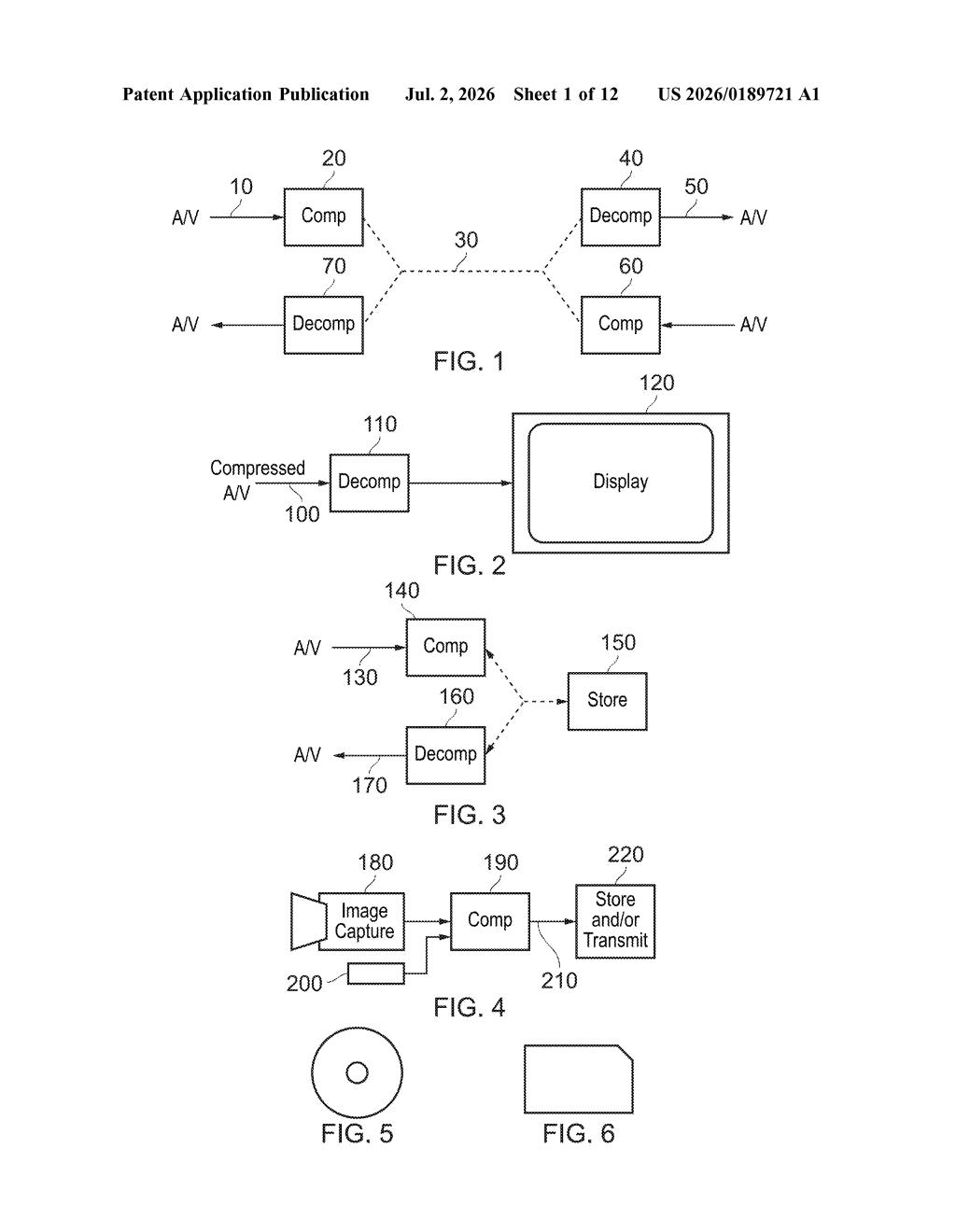
What Sony's self-sizing video buffer actually does
Imagine a water tower that has to be built before anyone knows how much water the town will need. If you build it too small, the town runs dry. Too large, and you've wasted money. Sony's patent tackles the same problem for video playback.
When your TV or streaming device plays a video, it stores incoming data in a temporary memory area before displaying it. This area, called a coded picture buffer, has to be just the right size for the video quality being delivered. If it's too small, the picture can stutter or break up.
Sony's approach lets the video file or stream carry its own instructions, specifying which "encoding level" it belongs to. Each level comes with clear rules about the maximum picture size, how much the video has been compressed, and therefore how big the buffer must be. The decoder reads those instructions and sets itself up accordingly, removing guesswork.
How encoding levels define the buffer's maximum size
The patent describes a decoder paired with a coded picture buffer (CPB), a block of memory that holds compressed video data as it arrives, before the decoder processes each frame.
The key mechanism is a set of encoding levels, each of which defines three things:
- A maximum luminance picture size (the largest frame resolution the level supports, measured in luma samples, which are the brightness pixels in a video signal)
- A minimum compression ratio (how much the video must be compressed at minimum, setting a ceiling on how large any single frame's data can be)
- A maximum coded picture buffer size (the upper bound on how much memory the decoder must reserve)
The patent's core rule is that the maximum buffer size for any given level must be at least as large as what you'd need to hold one full frame compressed to only the minimum ratio. In other words, the buffer is always guaranteed to be big enough for the worst-case frame the level allows.
Parameter data (metadata embedded in the video stream, similar to a header tag that tells a device what format a file is in) signals which level applies. The decoder reads that tag and configures its buffer accordingly.
What this means for video hardware and streaming standards
For consumer electronics makers, standardizing how buffer sizes are calculated simplifies hardware design. A chip built to handle a specific encoding level can be sized confidently, without engineers adding guesswork margins that waste silicon or memory.
For the broader video industry, this kind of formal rule fits into codec standards work (the technical agreements that define formats like HEVC or AV1). If Sony is contributing this approach to a standards body, it could influence how future video formats specify decoder requirements, affecting everything from streaming chips in smart TVs to professional broadcast equipment.
This is a standards-infrastructure patent, the kind of filing that matters enormously to chip designers and codec committees but will never appear in a product press release. It's not flashy work, but getting buffer-sizing rules right is exactly the sort of foundational detail that prevents real-world playback failures at scale. Worth noting in the context of Sony's ongoing involvement in video codec standardization.
Get our take in your Top Stories
Liked this breakdown? Add Patentlyze as a preferred source on Google, and our plain-English take shows up more often in your Top Stories the next time Sony patent news breaks.
There are more where this came from
We read every patent application Big Tech publishes and send you the ones worth knowing. Plain English, free, every week.
Want this weekly breakdown for a company we don't cover? Patentlyze Pro →