
Samsung Patents Technology That Interrupts Saving Data to Retrieve Files Immediately
Writing a big file to a flash storage chip can lock out read requests for frustratingly long stretches. Samsung's new patent describes a controller smart enough to hit pause on part of that write — just long enough to answer the read — then pick up exactly where it left off.
What Samsung's pause-and-resume storage trick actually does
Imagine you're copying a large video file to an SSD while your operating system simultaneously tries to fetch a small config file it urgently needs. Normally, the copy operation holds the entire storage chip hostage until it finishes, forcing that little read request to wait in line.
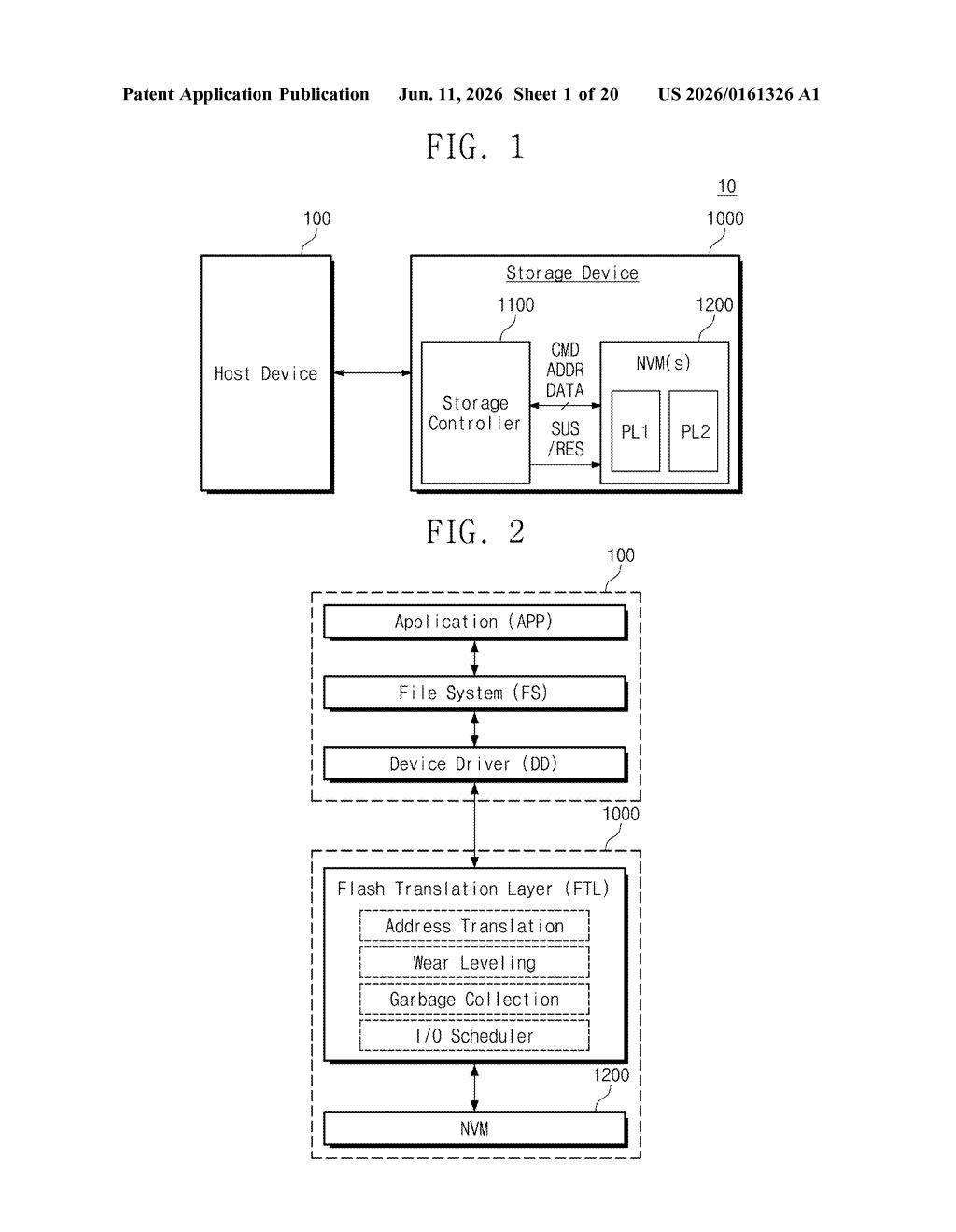
Samsung's patent describes a storage controller that can pause a write operation on one section of the chip — called a "plane" — the moment an urgent read request arrives. The other sections keep writing in the background, so you're not losing overall throughput. Once the read is done, the suspended section resumes exactly where it stopped.
The result is that your storage device feels more responsive during heavy workloads — reads don't get stuck behind long writes. It's a scheduling improvement happening entirely inside the SSD, invisible to you but noticeable in how snappy your system feels.
How the controller suspends one plane while another keeps writing
Modern NAND flash memory chips are divided into independent sections called planes — think of them as parallel lanes on a highway, each capable of running operations simultaneously. Samsung's patent covers a storage controller (the chip that orchestrates all traffic to and from the memory) that can issue a suspend command targeting a single plane without disturbing the others.
Here's the sequence the patent describes:
- The host device (your PC, server, or phone) sends a write request, and the controller starts writing to both the first and second planes at the same time.
- While that parallel write is in progress, a read request arrives — something the host needs right now.
- The controller issues a plane-independent suspend command that freezes only the first plane's write, while the second plane's write keeps going uninterrupted.
- The read is serviced quickly. Then a resume command brings the first plane's write back to life from the point it stopped.
The key claim is that the suspend and resume are plane-specific — prior approaches often had to pause the entire memory device, stalling everything. By targeting just one plane, Samsung's design keeps overall write throughput higher while still reducing read latency (the delay before a read is answered).
What this means for SSD responsiveness in real workloads
Read latency spikes during heavy writes are a well-known pain point in SSDs used in servers, laptops, and smartphones — especially when the storage is under sustained load. If this technique ships in Samsung's NAND controllers, it could translate to noticeably more consistent performance during tasks like large file transfers, game installations, or database operations where reads and writes compete constantly.
For enterprise and data-center SSDs — Samsung's highest-margin storage products — predictable low latency is often more valuable than raw speed. A controller that can surgically pause one memory lane while keeping others running is the kind of incremental but real improvement that shows up in benchmark consistency scores and quality-of-service guarantees that cloud providers actually pay attention to.
This is unglamorous but genuinely useful engineering. Plane-level suspend/resume is a targeted fix for a specific, well-documented SSD performance problem, and Samsung is the kind of vertically integrated company that can actually ship this in silicon. It won't make headlines at a consumer launch, but it's the sort of detail that separates a good enterprise SSD from a great one.
There are more where this came from
We read every patent application Big Tech publishes and send you the ones worth knowing. Plain English, free, every week.
Want this weekly breakdown for a company we don't cover? Patentlyze Pro →