
Samsung Patents a Method to Make AI Image Generators Produce Sharper Detail Than They Were Built For
AI image generators are locked to the resolution they were trained on — Samsung's new patent describes a clever noise-recycling trick that breaks that ceiling without touching the underlying model.
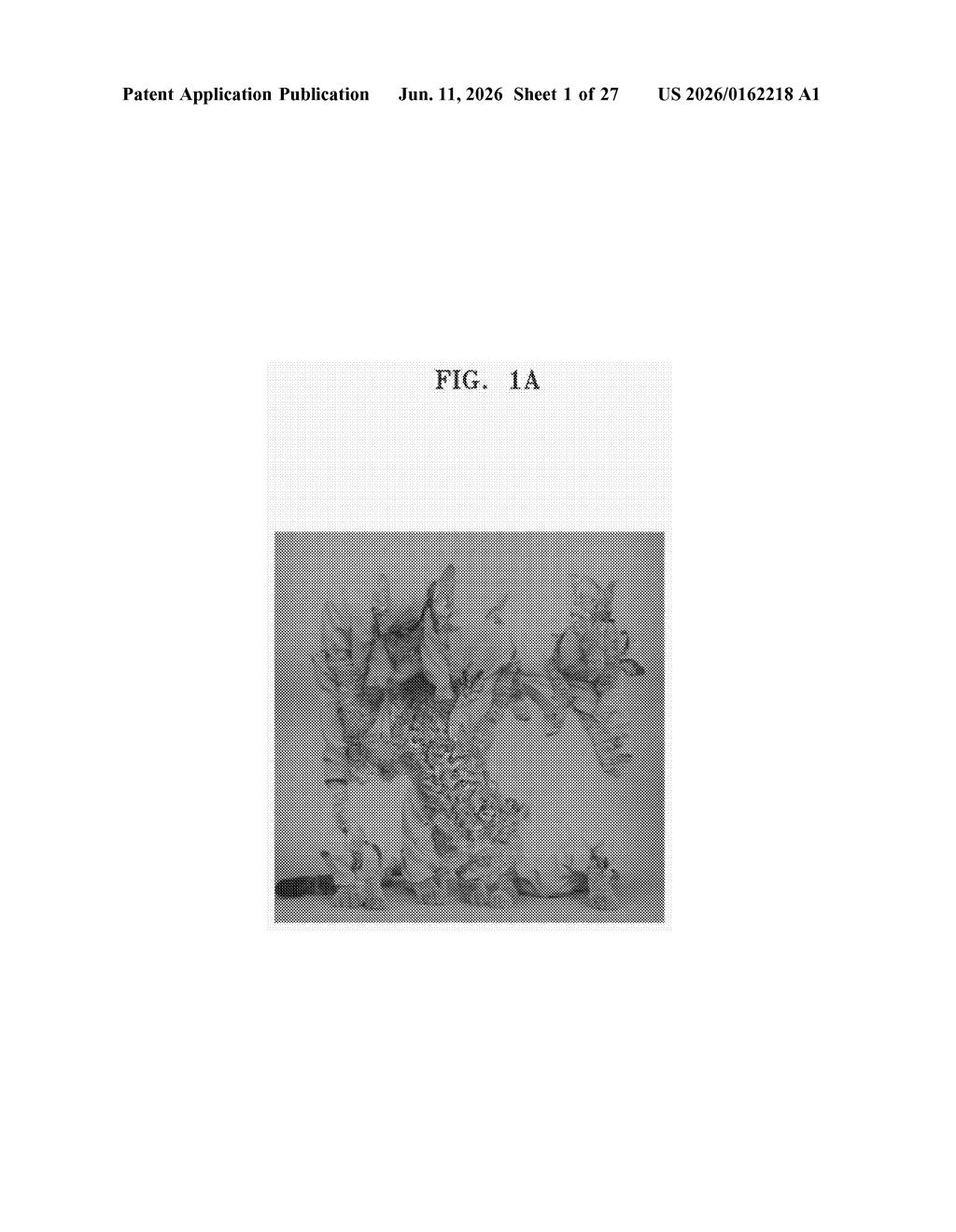
How Samsung's method squeezes higher resolution from a trained AI
Imagine asking an AI artist to paint you a poster-sized mural, but they've only ever practiced on postcard-sized paper. The result looks blurry or distorted because their skills just don't scale up. That's roughly the problem Samsung is solving here.
Samsung's approach lets a standard AI image model — one trained only on lower-resolution images — produce crisp, high-resolution results anyway. It does this in stages: first generate a decent image at the resolution the AI knows, then enlarge it digitally, and then run a carefully controlled re-generation pass that sharpens the detail while making sure the overall composition doesn't fall apart.
The key insight is saving a kind of "memory" of the enlarged image before the AI starts reworking it. That memory keeps the AI honest — it can add detail and texture, but it can't wander off and reinvent the scene. You still get the picture you asked for, just at a much higher quality.
How the noise-and-denoise loop locks in global structure
The patent describes a multi-stage pipeline for high-resolution image generation using a diffusion model (an AI that learns to create images by learning how to reverse the process of adding random noise).
- Step 1 — Low-res generation: The model generates a first image at its native, trained resolution from a text prompt and a starting noisy image.
- Step 2 — Upsampling: A separate upsampling module (think: a high-quality digital zoom) enlarges that image to the desired target resolution.
- Step 3 — Controlled re-noising: The model gradually adds noise back onto the upscaled image in a latent space (a compressed mathematical representation of the image), saving a snapshot at each noise level.
- Step 4 — Structure-aware denoising: The model then works backwards through those same noise levels, regenerating detail at each step — but at every step it checks its work against the saved snapshots to ensure the global layout and structure of the scene haven't drifted.
The critical mechanism is that correspondence between noising and denoising timesteps. By anchoring each refinement step to a stored intermediate state, the method preserves global structural features (composition, proportions, major objects) while still allowing the model to generate fine local texture and detail it was never explicitly trained on.
What this means for on-device AI image quality
Diffusion models like those powering Samsung's on-device image tools are expensive to train and are typically locked to a fixed output resolution — often 512×512 or 1024×1024 pixels. Getting them to produce larger images without retraining from scratch is a hard, active research problem. This patent describes an inference-time solution, meaning it works at the moment you ask for an image with no retraining required.
For Samsung Galaxy devices, where AI image generation is already a marketing focus, this could mean users get noticeably sharper generative results without Samsung needing to ship a heavier, more power-hungry model. That's a meaningful engineering win for a phone that has to balance battery life, memory, and chip performance all at once.
This is a genuinely useful piece of applied research rather than a speculative moonshot. The core insight — use the noising trajectory itself as a structural anchor during high-res refinement — is elegant and practically motivated. Whether Samsung can make it fast enough for real-time on-device use is the real question, but the approach is sound and worth tracking.
There are more where this came from
We read every patent application Big Tech publishes and send you the ones worth knowing. Plain English, free, every week.
Want this weekly breakdown for a company we don't cover? Patentlyze Pro →