
IBM Patents a Smart Alarm System That Identifies Burning Materials Before Alerting You
Most smoke alarms just scream when they detect smoke. IBM's new patent describes a system that first figures out what's on fire — and what's nearby that could make things worse — before deciding how and where to sound the alarm.
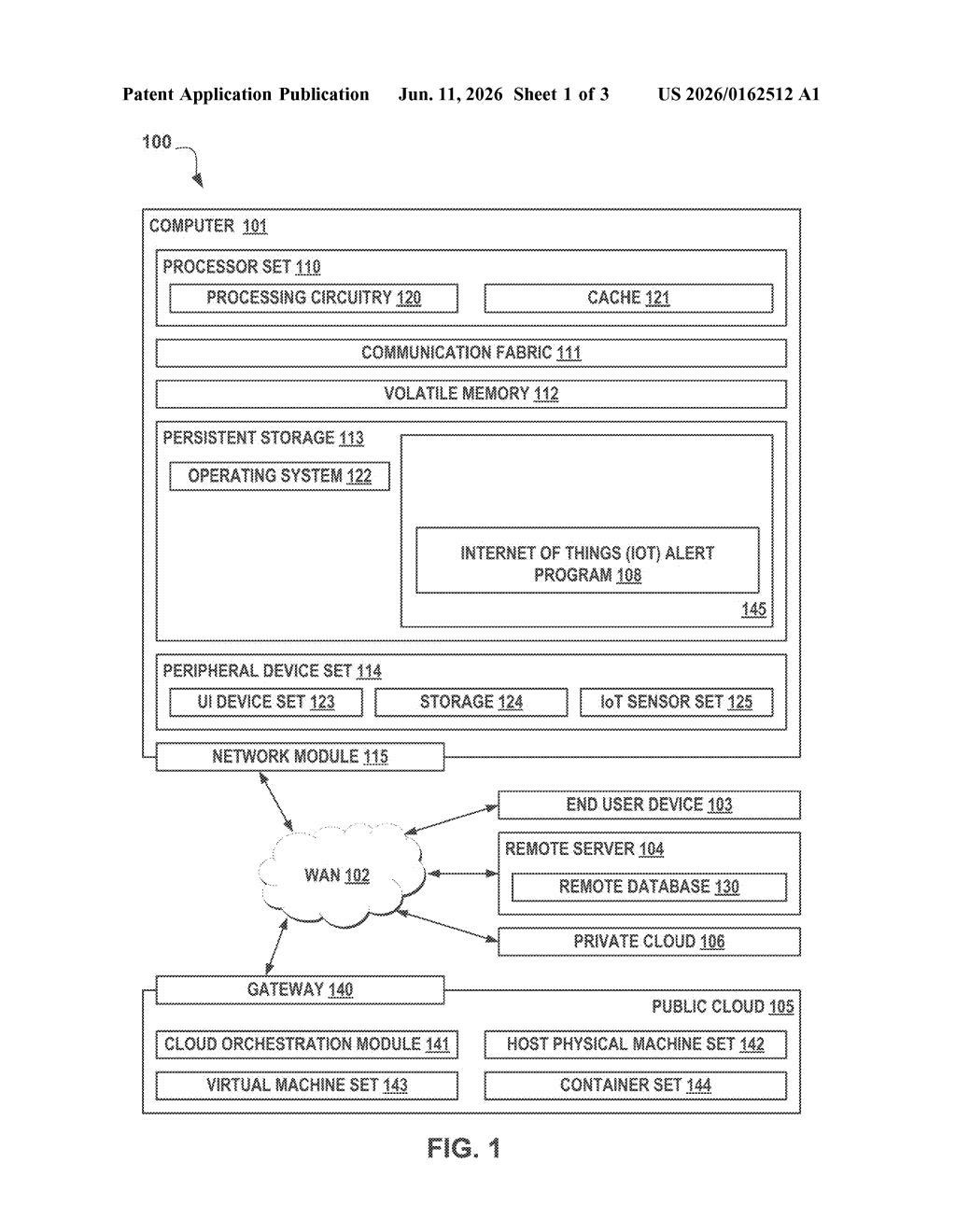
What IBM's material-aware fire alarm actually does
Imagine a fire breaking out in a warehouse full of chemicals versus one in an office break room. Today, most alarm systems treat both situations the same way: they detect something wrong and sound a buzzer. IBM's patent proposes a much more context-aware approach.
The system uses a network of IoT sensors — think cameras, smoke detectors, temperature gauges — spread across a building or facility. When something goes wrong, it doesn't just detect a hazard; it also identifies the materials nearby and how flammable they are. A fire next to a gas line gets treated very differently from one near a water cooler.
Based on that analysis, the system calculates a risk score and then selects the most appropriate alarm devices to activate — maybe a local buzzer, a building-wide evacuation siren, or an automatic message to emergency services. The idea is that smarter context means faster, better-targeted responses rather than one-size-fits-all alerts.
How the system picks which alarms to trigger
The patent describes a pipeline that starts with real-time sensor data collection from a distributed IoT network. Those sensors could include smoke detectors, thermal cameras, gas sensors, or motion detectors spread across a physical environment.
The interesting layer is what IBM calls a "material model" — essentially an AI component trained to recognize objects and surfaces within the environment and assess their flammability. So the system isn't just asking "is there smoke?" — it's asking "what is that smoke coming from, and what else is nearby that could combust?"
That contextual data feeds into a hazard risk calculation. If the risk score clears a defined threshold, the system moves to alarm selection. Rather than triggering every available alarm device, it picks the most relevant ones based on the type and severity of the hazard. Steps in order:
- Sensors capture environmental data continuously
- A material model identifies nearby objects and their flammability
- A risk score is calculated from all that context
- If the score exceeds a threshold, specific alarm devices are chosen
- Those devices execute their alert actions
The patent also references "dynamic detection overlays" in its title — suggesting the system may visually map hazard zones in real time, though the published claim focuses primarily on the alarm selection logic.
What this means for smart building safety systems
In industrial or large commercial settings — factories, hospitals, data centers — the difference between a targeted alert and a building-wide panic can have real safety and operational consequences. A system that knows a hazard is near highly flammable materials can escalate faster and to the right responders, while one in a low-risk zone might simply log the event. That kind of graduated response is something current alarm infrastructure largely can't do.
For you as a building occupant or facilities manager, this could eventually mean evacuation instructions that are specific to your location and the actual threat level — not just a generic alarm that leaves everyone guessing. IBM is positioning this squarely in the industrial IoT space, where safety compliance and liability reduction are strong purchase motivators.
This is a solid, practical IoT patent — not flashy AI research, but the kind of incremental safety infrastructure that actually gets deployed in enterprise environments. The material-identification angle is the genuinely interesting bit; everything else is well-trodden alarm-system territory. IBM is likely eyeing the smart building and industrial safety market, where differentiated alerting logic has clear commercial value.
There are more where this came from
We read every patent application Big Tech publishes and send you the ones worth knowing. Plain English, free, every week.
Want this weekly breakdown for a company we don't cover? Patentlyze Pro →