
Apple Patents a System That Knows Where Your Headset Lenses Are After You Adjust Them
When you slide the lenses on a headset to fit your face, the device has no idea where they ended up — unless Apple's latest patent becomes real hardware.
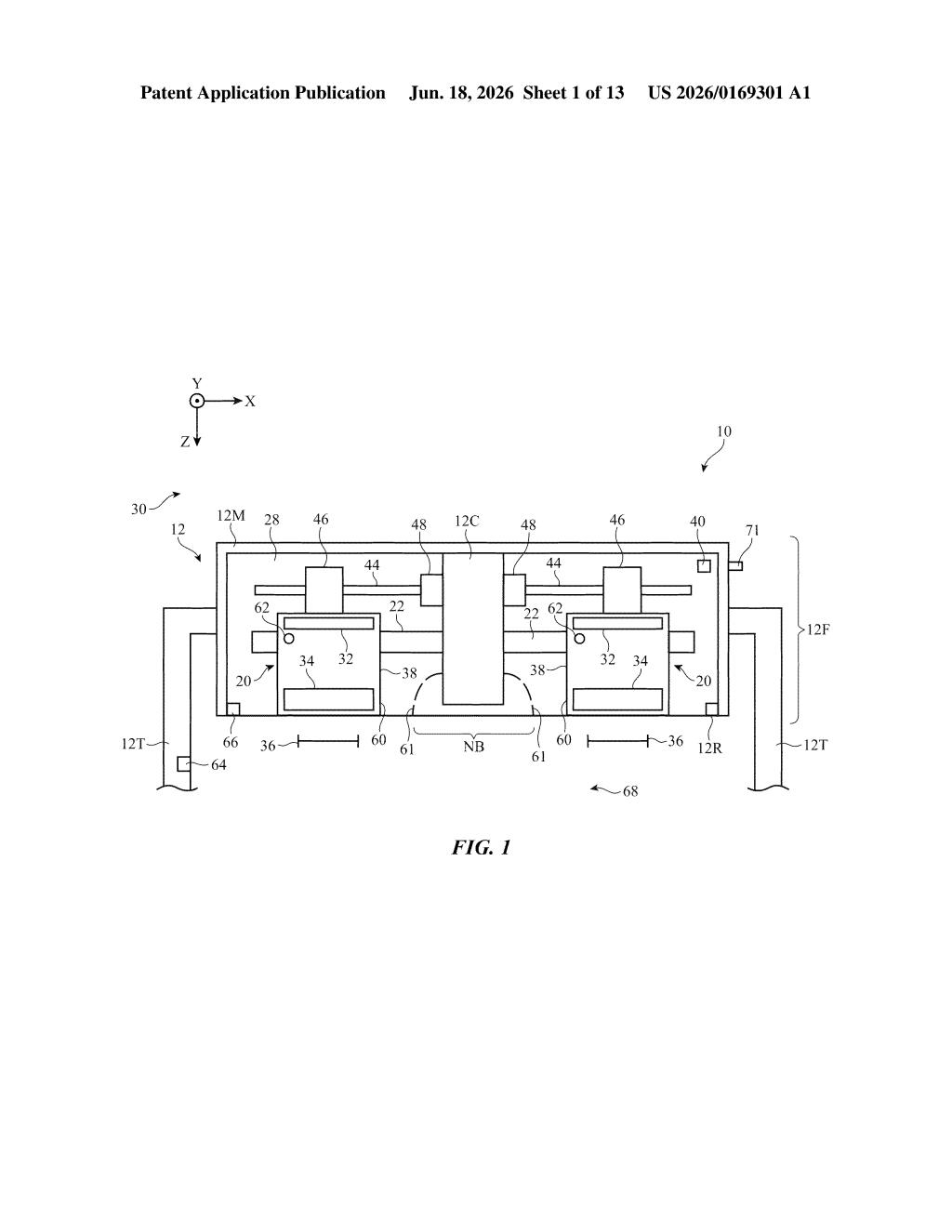
What Apple's lens-position tracking actually does
Imagine putting on a pair of goggles and sliding the lenses closer together or farther apart to match the distance between your eyes. Right now, a headset just accepts wherever you leave them — it has no way of reading that position automatically.
Apple's patent describes a system built into the rails that the lenses slide along. Those rails contain tiny sensors — the kind used in dials, pressure pads, or magnetic readers — that measure exactly where each lens stops. The headset then knows the precise position without you entering anything manually.
That data could let the device instantly load the right display settings for your eye spacing, skip a setup screen on the next wear, or flag if the lenses have drifted out of place. It's less about a single flashy feature and more about making the headset feel like it knows you without you having to tell it anything.
How the sensors read lens position along guide rods
The patent describes a head-mounted device — think a VR or AR headset — built around a pair of guide rods: rigid rails that run across the frame. Each lens-and-display assembly (called an optical assembly) slides along these rods to adjust for the wearer's interpupillary distance (the gap between your eyes, which varies person to person).
Embedded in each guide rod is at least part of a position sensor. The patent lists several sensor types Apple is considering:
- Potentiometer — a resistive sensor that changes its electrical reading based on how far something has moved, like the volume knob on a stereo
- Magnetic encoder — reads a magnetic field to calculate precise linear position
- Optical sensor — uses light to detect movement along the rod
- Pressure sensor or pneumatic sensor — detects physical contact or air pressure changes as the assembly slides
Each optical assembly's support bracket physically contacts the rod and the sensor simultaneously, so the moment the lens stops moving, the device records exactly where it is relative to the rod's fixed endpoints. The claim covers both the scenario where the sensor lives entirely in the rod and where it's split between the rod and the sliding assembly itself.
What this means for Vision Pro-style headset comfort
Apple's Vision Pro already lets users swap lenses for prescription inserts and adjust fit, but the headset has no automatic way to know where its optical components land after adjustment. A position-aware system would let the device auto-configure display geometry — the slight digital corrections needed to line up virtual images with each eye — without making you run a calibration sequence every time.
For a device that costs thousands of dollars and is worn close to your eyes, small alignment errors matter. If Apple ships this, it could make the difference between a headset that feels custom-fitted at first use and one that still makes you squint while hunting through settings to get the picture sharp.
This is straightforward, useful engineering — not a concept-stage moonshot. Headsets have needed automatic lens-position awareness for years, and the variety of sensor types listed suggests Apple is still weighing manufacturing cost versus precision. The patent is worth watching because it solves a real friction point that every current headset owner knows.
There are more where this came from
We read every patent application Big Tech publishes and send you the ones worth knowing. Plain English, free, every week.
Want this weekly breakdown for a company we don't cover? Patentlyze Pro →