
Samsung Patents an AI Chip That Throws Out Zero-Value Data Before Doing Any Math
A lot of the data that runs through an AI chip is literally zero — useless numbers that still eat up power and time. Samsung's new patent describes a chip that quietly removes those zeros before any computation begins.
How Samsung's chip skips the math it doesn't need
Imagine a restaurant kitchen where half the tickets coming in are blank orders — no food requested, nothing to cook. Any sensible chef would toss those blank tickets in the bin before passing them to the cooks. Samsung's new patent applies that same logic to AI chips.
When an AI model processes information, it works with huge grids of numbers called matrices. Many of those numbers are zero, and multiplying or adding zero changes nothing — but the chip still has to do the work. Samsung's design adds a small circuit that spots the zeros, reassigns the positions of the real numbers to close the gaps, and hands the chip a tighter, more efficient grid to work with.
The result is that the main computing part of the chip only handles data that actually matters. That means less wasted effort, which can translate to faster AI responses, lower power draw, and — eventually — longer battery life on the devices running these models.
Inside Samsung's matrix-condensing feeder circuit
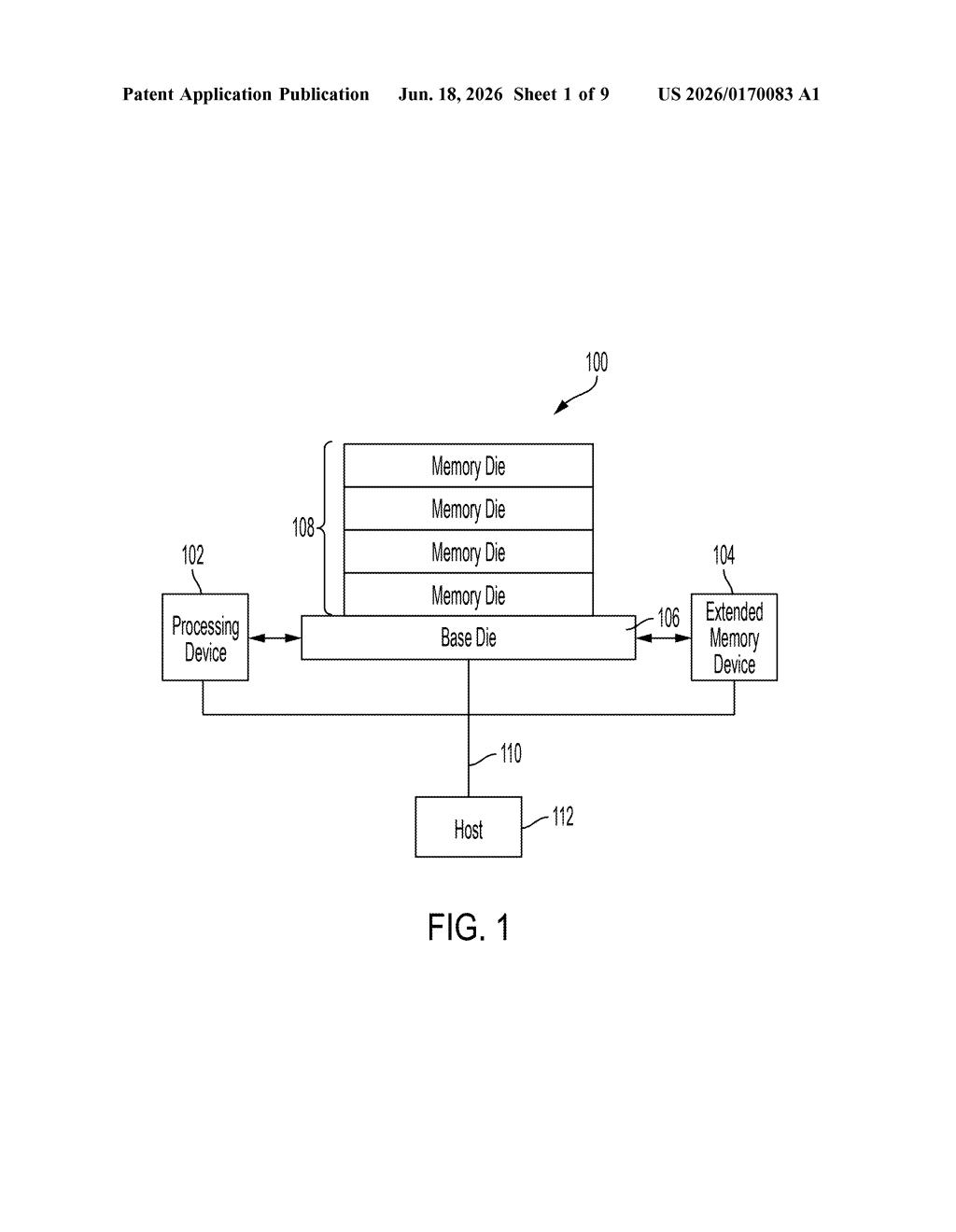
The patent describes a chip architecture built around three main pieces working together:
- Memory device — stores the original matrix (the number grid) for a given layer of an AI model. That matrix contains both non-zero values and zero-valued placeholders, each tagged with a position index.
- Feeder circuit — the key innovation. It scans the matrix, identifies zero-valued positions, and reassigns the position indexes of the non-zero values to fill those gaps. The output is a condensed matrix — a smaller, denser version with the zeros stripped out.
- Digital circuit — the actual compute engine. It receives only the condensed matrix and runs the AI inference (the model's prediction or output) from that leaner input.
In AI hardware, matrices represent the weights and activations of a neural network — essentially the model's learned knowledge at each processing stage. Sparse matrices (those with lots of zeros) are extremely common, especially after techniques like model pruning (deliberately zeroing out less important connections to shrink model size). This patent is specifically built to exploit that sparsity at the hardware level, rather than just ignoring it in software.
What faster, leaner AI chips mean for your devices
AI inference chips — the kind that run models after they've been trained — are becoming a central battleground for Samsung, Apple, Qualcomm, and others. Any efficiency gain at the chip level compounds quickly: less work per inference means the chip can handle more requests per second, or do the same work on a smaller battery.
For you as an end user, this kind of hardware optimization is what eventually shows up as a phone that doesn't get hot running AI features, or an on-device assistant that responds without a noticeable pause. Samsung makes chips for its own Galaxy devices as well as for external customers, so an efficiency win here has a wide potential footprint.
This is a well-established class of idea — skipping zero-multiplication in sparse neural networks has been a research topic for years — but the specific hardware implementation matters enormously in practice. Samsung is putting this into silicon-level patent form, which signals they're serious about building sparsity-awareness into future Exynos or custom AI processors. Worth watching if you follow the on-device AI chip race.
There are more where this came from
We read every patent application Big Tech publishes and send you the ones worth knowing. Plain English, free, every week.
Want this weekly breakdown for a company we don't cover? Patentlyze Pro →