
Samsung Patents a Screen That Reads the Room's Lighting Before Adjusting Its Color
Your phone's screen already dims in a dark room, but it can't tell whether the light around you is a warm incandescent bulb or a cool fluorescent tube — so the colors it shows you are always a little off. Samsung wants to fix that, and it has a clever reason for only turning the camera on part of the time.
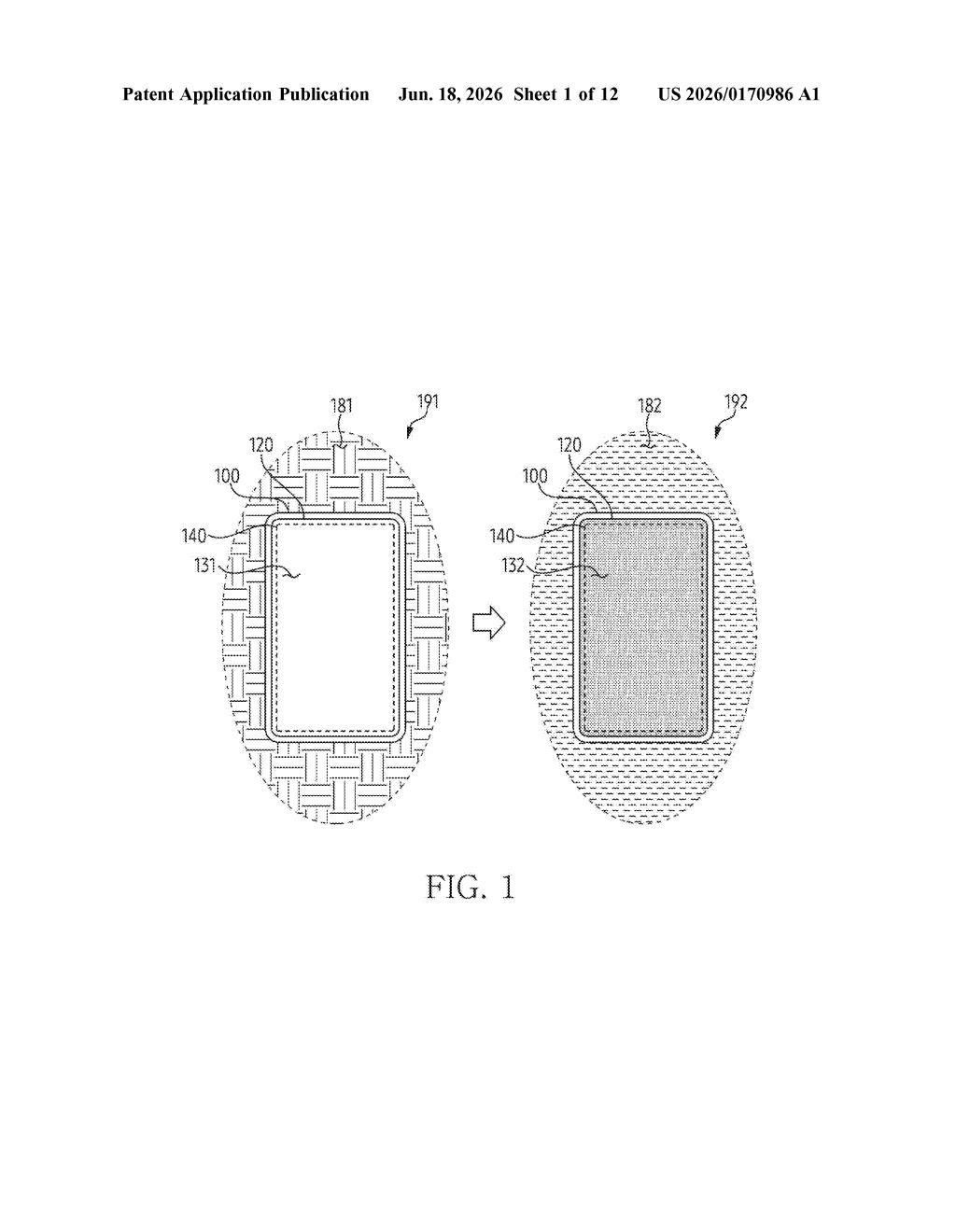
What Samsung's camera-driven color adjustment actually does
Imagine you're working at a desk under warm, amber lighting. Your phone screen looks slightly bluish and harsh by comparison — because your phone doesn't really know what color the light in the room is, only how bright it is. Samsung's new patent describes a system that uses the phone's camera to actually read the color of your surrounding light and then shift the screen's tones to match.
The smart part is that the camera doesn't stay on constantly — that would drain your battery. Instead, a small, low-power ambient light sensor (the same chip phones already use to auto-brighten the screen) keeps watch in the background. Only when that sensor detects a significant shift in brightness does the phone bother waking the camera to check what color the new lighting actually is.
The result: your screen's color adapts to your environment when it genuinely needs to, without the camera burning power all day waiting for something to change.
How the sensor decides when to wake the camera
The patent describes a two-stage sensing system. A phone's illuminance sensor (the small chip that measures how bright the surroundings are, not what color they are) runs continuously and cheaply in the background while the screen is on.
When that sensor logs a brightness change below a set threshold — meaning the lighting hasn't really changed — the camera stays off. When the change crosses the threshold, the system interprets that as a meaningful lighting shift and briefly enables the camera.
- The camera captures the ambient light's color temperature (a measure of whether light looks warm/orange or cool/blue, expressed in Kelvin).
- The display's color output is then adjusted to match that measured color temperature.
- The camera is presumably disabled again once the reading is complete.
This approach avoids the power cost of a continuously active camera while still delivering environment-aware color correction. The illuminance sensor acts as a gatekeeper — it only calls the camera into action when there's enough evidence that the room's lighting has actually changed.
What this means for screen accuracy and battery life
Most phones today use Night Mode or manual "warm display" toggles that don't respond to real-world lighting shifts. A system that automatically matches screen color to room color could make a real difference for anyone doing photo editing, video watching, or reading for long stretches — especially if the lighting in their space changes throughout the day.
For Samsung, this also fits into a broader push to make Galaxy displays feel more perceptually accurate without sacrificing battery life. The camera-gating trick is the key engineering tradeoff: you get accurate color without paying the power cost of a constantly active camera sensor. Whether this ends up in a Galaxy phone or a tablet remains to be seen, but the architecture is straightforward enough to ship on existing hardware.
This is a genuinely practical idea — not flashy, but the kind of small quality-of-life improvement that actually changes how a screen feels to use day-to-day. The illuminance-sensor-as-gatekeeper approach is the interesting design choice here: Samsung isn't just turning a camera on and hoping for the best, it's being deliberate about when to spend the power. Worth watching for a Galaxy S or Tab implementation.
There are more where this came from
We read every patent application Big Tech publishes and send you the ones worth knowing. Plain English, free, every week.
Want this weekly breakdown for a company we don't cover? Patentlyze Pro →