
Samsung Patents a Way to Share Two App Screens, With Independent Audio, to Another Device at Once
Imagine casting your phone screen to a TV while music plays — then opening a video call, and having both apps stream to the TV at the same time, each with its own independently adjustable audio. That's exactly what this Samsung patent describes.
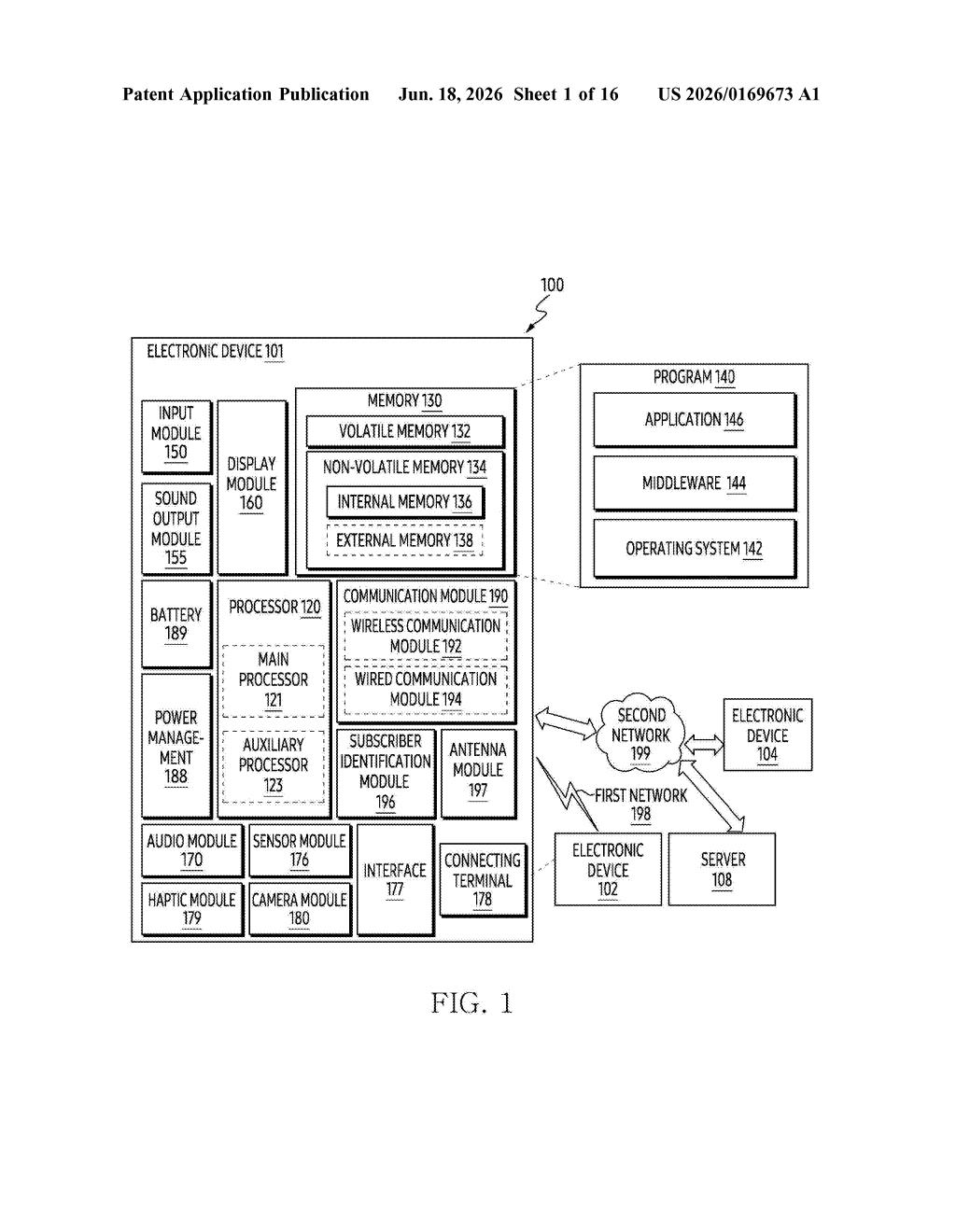
What Samsung's multi-screen sharing system actually does
Picture this: you're sharing your phone's screen to a Samsung smart TV, and a song is playing through a streaming app. Then a friend sends you a video, and you want to share that too — but you don't want to lose the music or have both audio tracks merge into a mess. Right now, most screen-sharing setups can only handle one app at a time.
Samsung's patent describes a system where your phone can send two different apps' screens — plus their audio — to another device simultaneously. The key detail is that each app's audio travels on its own separate channel, so the receiving device can control the volume of the music independently from the video.
This is the kind of feature that would make sharing your phone or tablet to a TV, monitor, or another Samsung device feel much more like multitasking on a full desktop computer. Each audio stream stays distinct, so nothing gets accidentally muted or blended together.
How Samsung routes separate audio channels per app
The patent describes an electronic device — almost certainly a Samsung phone or tablet — that can simultaneously push screen content and audio from two different apps to an external device like a TV or monitor.
Here's how it breaks down:
- First event: The device starts sharing a screen (say, a music app) along with its audio to an external display.
- Second event: While that's already streaming, a second app (say, a video player) triggers another share request. The device picks up the new screen and audio from the second app.
- Simultaneous transmission: All four data streams — screen 1, audio 1, screen 2, audio 2 — are sent to the external device at the same time.
- Separate audio channels: The critical piece is that the two audio streams are routed through different audio channels, which means the receiving device can control or adjust them independently — raising one, muting another, without affecting the other.
The patent specifies that the second app being opened is distinct from the first, and that the external device triggers this second share request itself, suggesting a two-way negotiation between devices rather than a one-way broadcast.
What this means for Galaxy screen-sharing and DeX
For anyone who uses Samsung's screen mirroring or DeX (Samsung's desktop-mode feature) to extend their phone to a larger display, this would remove a persistent frustration: you can't currently stream two apps side-by-side with their own separate audio tracks. A split-screen layout on your phone doesn't mean both apps' audio arrives cleanly separated on your TV.
Independent audio channels are what make this genuinely useful — without them, mixing audio from two apps into one stream creates the kind of chaos that makes users give up on multi-app sharing entirely. If Samsung ships this, it would make phone-to-TV or phone-to-monitor casting feel much more like working on a PC with multiple windows open.
This is a practical, unglamorous fix for a real problem that anyone who has tried to multitask via screen mirroring has run into. It's not a flashy AI story, but the separate-audio-channel design is the right approach — without it, multi-app casting is basically useless. Worth watching to see if it lands in a future One UI or DeX update.
There are more where this came from
We read every patent application Big Tech publishes and send you the ones worth knowing. Plain English, free, every week.
Want this weekly breakdown for a company we don't cover? Patentlyze Pro →