
Qualcomm Patents a Touchscreen That Scans Your Finger Faster Than the Rest of the Screen
Your phone's touchscreen scans its entire surface at the same rate, whether your finger is moving or not. Qualcomm wants to change that — scanning where your finger is more often, and everywhere else less often.
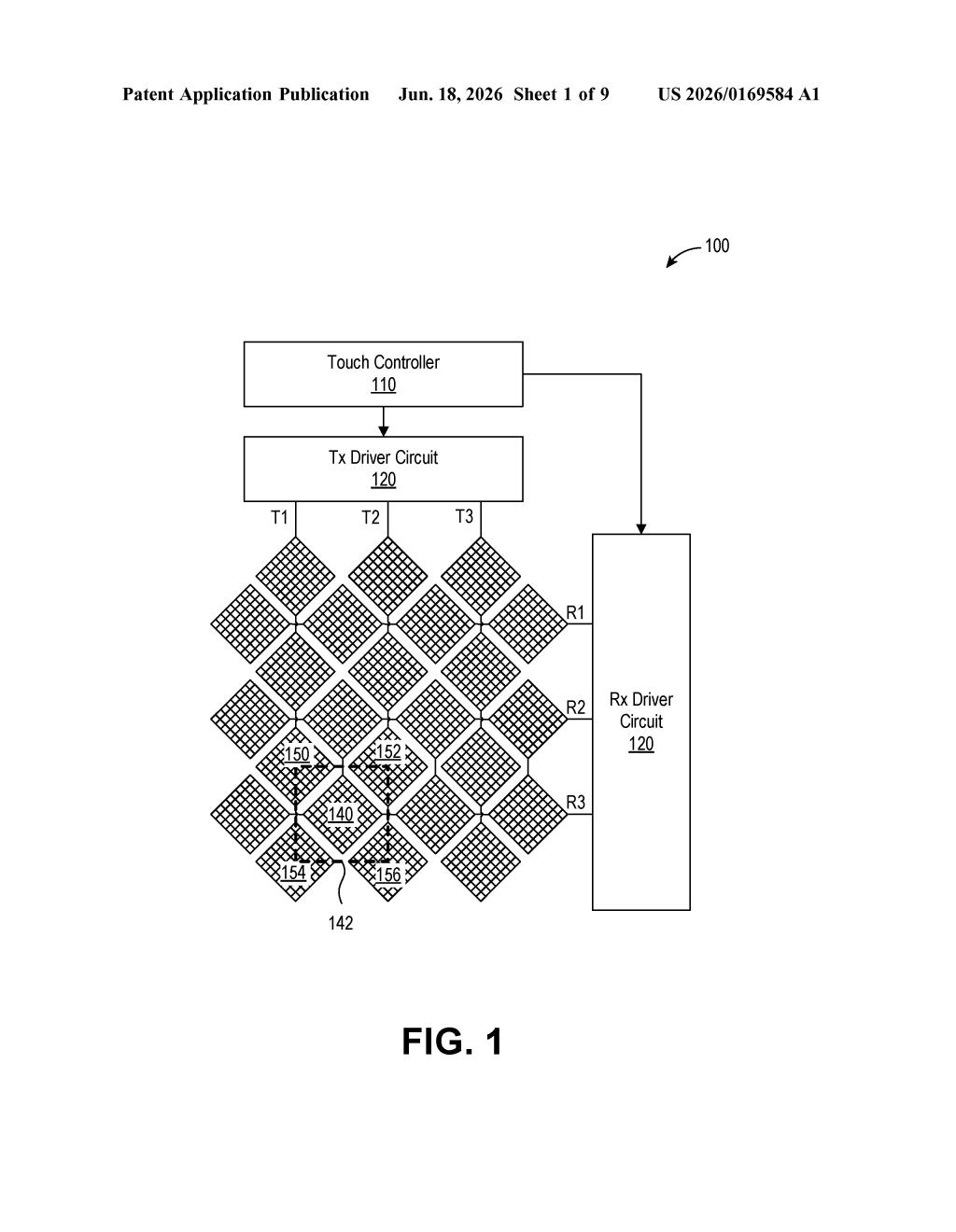
What Qualcomm's adaptive touch scanning actually does
Imagine your phone's touchscreen like a security guard watching a row of cameras. Right now, the guard checks every camera at the same speed, no matter which ones are actually showing anything interesting. Qualcomm's patent describes a system where the guard pays much closer attention to the cameras where something is happening — and barely glances at the quiet ones.
In practice, this means the part of the screen where your finger is actively tapping or swiping gets checked much more frequently than the areas you're not touching. The screen figures out in real time which zones are busy and which are idle, then adjusts its scanning speed accordingly.
The practical upside is twofold: faster, more accurate touch response where it counts, and less wasted energy scanning empty screen space. Both matter a lot in a smartphone where battery life and precision are always in competition.
How the screen decides where to scan fast or slow
A touchscreen works by constantly scanning its surface in a grid — checking each section for finger contact. Today, most screens do this at a fixed rate across the whole display, which wastes processing power on areas the user isn't touching.
Qualcomm's patent describes a method where the screen first does a quick baseline scan to detect which zones are receiving touch inputs. If a portion of the screen is registering frequent touches — a high-frequency touch rate — the system flags that zone and allocates a faster scan rate to it. Areas with little or no touch activity get a slower, lower-priority scan rate.
The key steps the system follows are:
- Scan a portion of the screen and count how many touch inputs arrive during a set time window
- Compare that count against a threshold to classify it as high-frequency or low-frequency
- Apply a faster scan rate to high-frequency zones and a slower rate to low-frequency zones simultaneously
This split-rate approach lets the processor focus its attention — and its power budget — where the user is actually interacting, rather than treating every square centimeter of the screen equally.
What this means for battery life and touch response
For everyday users, faster touch scanning in active areas means inputs feel more immediate — relevant for gaming, fast scrolling, or any task where a fraction-of-a-second delay is noticeable. At the same time, scanning inactive areas less often reduces the load on the touch controller chip, which can translate to modest but real battery savings over the course of a day.
For Qualcomm specifically, this fits neatly into its broader push to make the silicon inside Android phones more power-efficient without sacrificing performance. Touch controllers are a small but constant power drain, and patents like this suggest the company is looking at every corner of the chip to find savings. Whether this ends up in a Snapdragon reference design or gets licensed to display manufacturers, the core idea is straightforward enough to be genuinely useful.
This is an incremental but sensible optimization — the kind of low-level efficiency improvement that rarely makes headlines but quietly adds up inside a real device. It's not a dramatic leap in touch technology, but the logic is sound and the implementation seems tractable. Worth watching if you follow mobile chip efficiency.
There are more where this came from
We read every patent application Big Tech publishes and send you the ones worth knowing. Plain English, free, every week.
Want this weekly breakdown for a company we don't cover? Patentlyze Pro →