
Apple Files Patent for a System That Reads Your Space and Responds to It
Apple is patenting a way for a device to classify what it sees in a room and then act on objects in that space based on user input. It's a small filing with potentially large implications for how Apple Vision Pro interacts with the world around you.
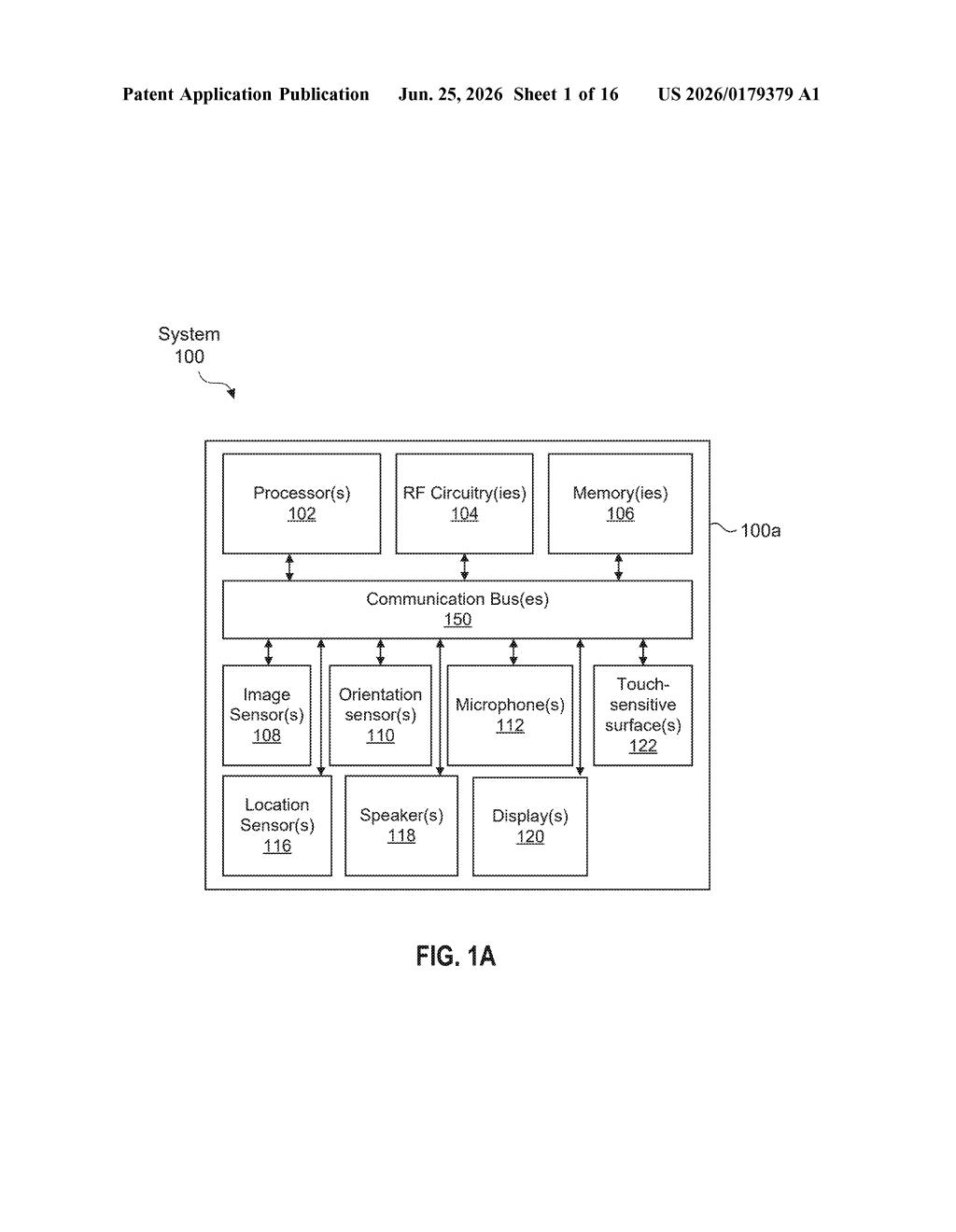
What Apple's scene classification system actually does
Imagine pointing at a lamp across the room and your headset recognizing it well enough to turn it off. That's the general territory Apple is staking out here. The patent describes a system that detects user input and uses it to change the "state" of something in the physical environment.
Scene classification is the underlying idea: the device figures out what kind of space it's looking at and what objects are in it, then connects your actions to those objects. Think of it as giving a device a basic understanding of your room so it can do something useful with that understanding.
The actual claim in this filing is thin. The first independent claim was canceled, which means the core of the patent may have been narrowed or restructured during review. There's a real technology here, but this particular filing tells us less about the specifics than a typical patent would.
How the system detects input and changes physical states
At its core, this patent covers a pipeline that takes in user input, classifies the scene around the user, identifies entities (objects or devices) in the physical environment, and then changes the state of one of those entities in response.
Scene classification (categorizing a physical space based on visual or sensor data) is the key technical step. A device running this system would need to analyze its surroundings, recognize what kind of room or environment it's in, and identify specific targets for interaction.
The phrase "changing a state of an entity" is deliberately broad. A "state" could mean on or off, open or closed, bright or dim. An "entity" could be a smart light, a door lock, an appliance, or any connected object. The system essentially bridges perception and action.
However, the first independent claim has been canceled, which is a meaningful caveat. In patent prosecution, canceling a claim often means the examiner rejected it and the applicant either narrowed it into dependent claims or withdrew it. This filing's actual scope is unclear from what's publicly available.
What this means for Apple's spatial computing plans
Apple Vision Pro is already built around the idea of blending digital content with the physical world. A system that can classify scenes and act on real objects would be a natural extension of that platform, moving it from a display device toward something closer to a spatial control interface for your home.
The inventors, Peter Meier and Michael Rockwell, are both linked to Apple's Vision Products Group, which adds weight to the spatial computing angle. That said, this is a bare-bones filing with a canceled lead claim, so it's worth treating it as a signal of interest rather than a finished system. The direction is interesting even if this particular filing is thin.
This is a lightweight filing with a canceled core claim, so there's not much to analyze on the technical merits. What makes it worth noting is who filed it and what category it sits in: two Vision Products Group engineers patenting scene-aware physical-world interaction is a clear data point about where Apple wants spatial computing to go, even if this document doesn't fully get us there.
There are more where this came from
We read every patent application Big Tech publishes and send you the ones worth knowing. Plain English, free, every week.
Want this weekly breakdown for a company we don't cover? Patentlyze Pro →