
Nvidia Patents an AI That Watches and Listens to a Video Before Answering Your Questions
Most AI tools that let you ask questions about a video only look at the frames. Nvidia's new patent describes a system that also listens to the audio, then combines both to give you a more complete answer.
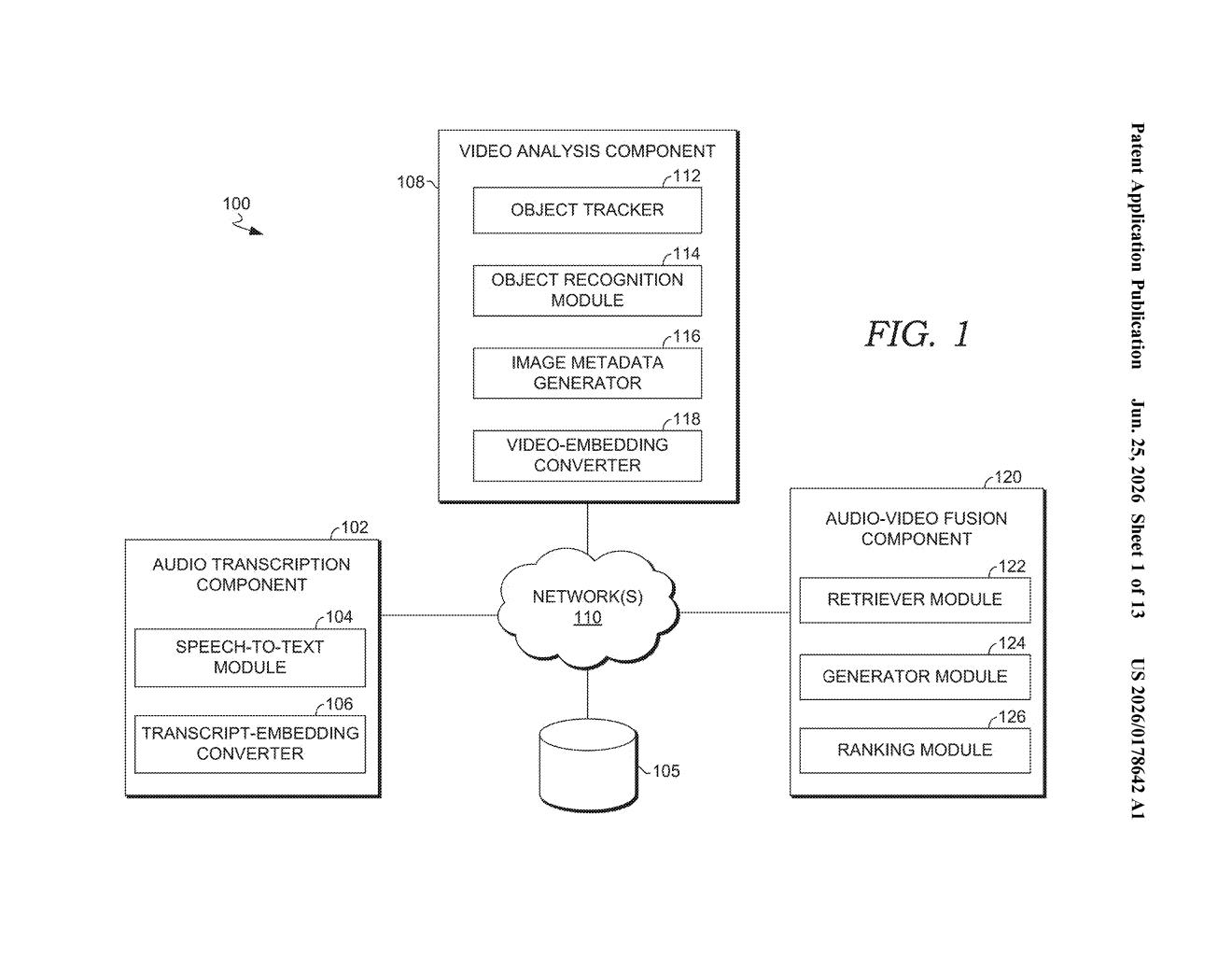
What Nvidia's audio-visual question-answering AI actually does
Imagine uploading a video of a product demo and asking your AI assistant, "What problem does this solve?" If the AI only scans the frames, it might miss a key explanation the presenter spoke out loud. Nvidia's patent describes a system that analyzes both the visual content and the audio of a video before forming a reply.
The idea is that you ask a question about a video, and the AI pulls from what it saw and what it heard, not just one or the other. That means spoken context, background sounds, or narration can all factor into the answer, the same way a person watching and listening at the same time would understand more than someone who only skimmed the pictures.
This kind of approach could apply to tools like video search, media analysis platforms, or any assistant that lets you query a library of recorded content.
How the system combines audio and video into one AI answer
The patent describes a processing system that handles multimodal queries, meaning questions that draw on more than one type of media at once.
At the core of the system are two types of embeddings (compressed numerical representations of data that an AI can work with):
- A first embedding representing the audio track of a video
- A second embedding representing the visual frames of a video
When a user submits a question, the system combines representations of both embeddings and feeds them, along with the query text, into a model that generates a response. The model doesn't choose between audio or video; it uses a combined representation of both. This is sometimes called multimodal fusion (merging different data types before the AI reasons over them).
The patent's first claim is intentionally broad, covering any processor setup that receives a user query about a video, retrieves those two embeddings, and produces an answer by processing the query against both data sources together.
What this means for video search and AI assistants
Right now, most AI video tools treat audio and video separately, or simply ignore the audio entirely. A system that fuses both means you get answers that reflect the full content of a recording, not just what was visible on screen. That's meaningful for anything from meeting transcripts to surveillance footage to instructional videos, where what's said often matters as much as what's shown.
For Nvidia, whose AI infrastructure powers a large portion of the industry's model training and inference, a patent like this signals continued investment in multimodal AI. It fits alongside broader industry efforts to build AI assistants that understand video the way people naturally do: by watching and listening at the same time.
The abstract oversells this with phrases like 'holistic understanding' and 'nuanced analysis,' but the underlying idea is genuinely practical. Combining audio and video embeddings before answering a query is a real improvement over vision-only approaches, and Nvidia is well-positioned to build this into its AI platforms. The claim is broad enough that it may face prior art scrutiny, but the direction is sound.
There are more where this came from
We read every patent application Big Tech publishes and send you the ones worth knowing. Plain English, free, every week.
Want this weekly breakdown for a company we don't cover? Patentlyze Pro →