
Patent: New Pixel Design Prevents Washed-Out Photos Without Extra Processing Steps
Getting a camera sensor's pixels smaller without wrecking image quality is one of the hardest problems in consumer electronics. Sony's latest patent attacks that problem from the inside, redesigning exactly how each pixel manages the electrical charge that becomes your photo.
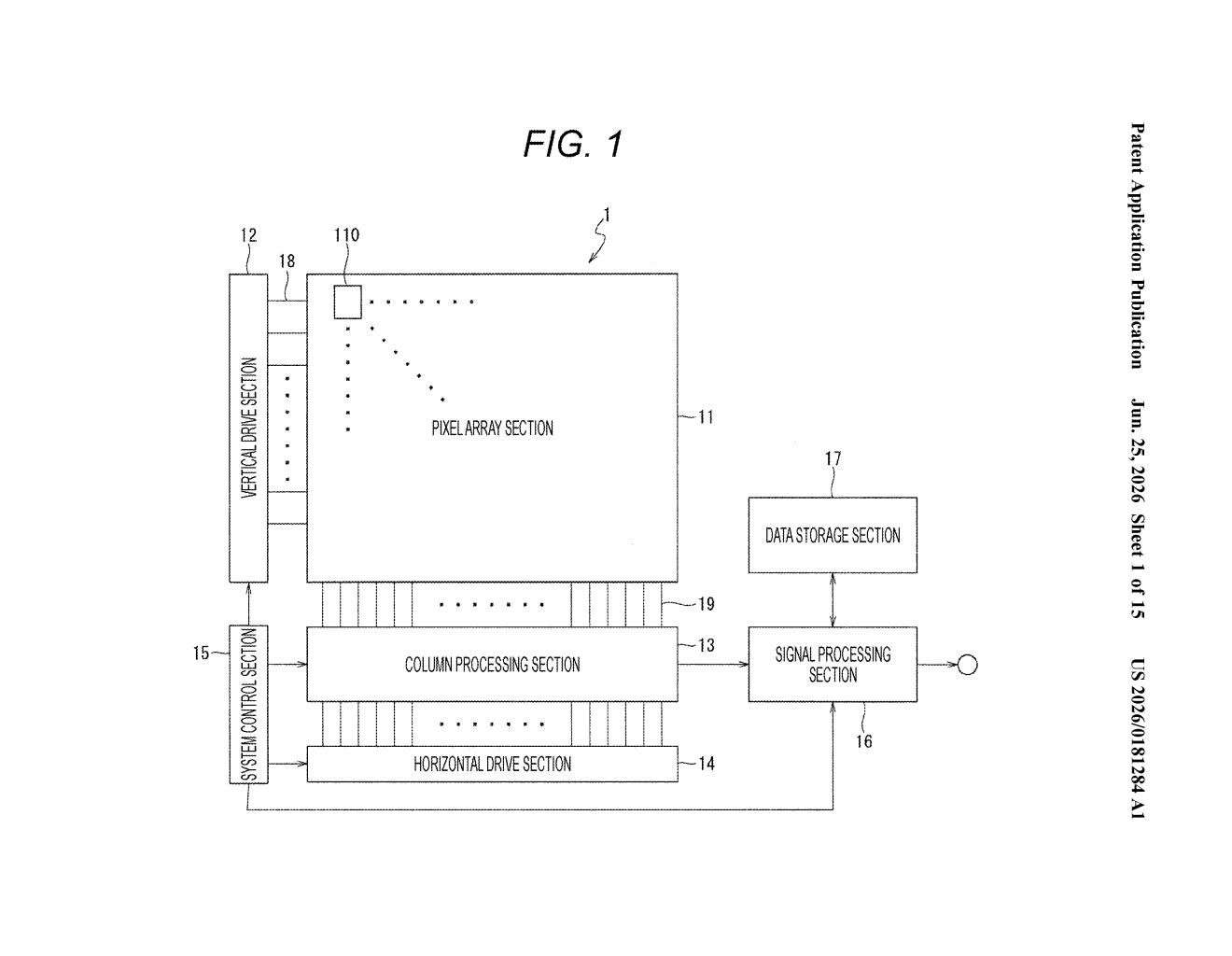
What Sony's pixel overflow design actually does
Imagine each pixel in a camera as a tiny bucket catching rain. When light hits it, it fills up with electrical charge. The problem is that very bright scenes can overflow the bucket before you're ready to read it, and very dark scenes barely fill it at all. Shrinking pixels to fit more of them on a chip makes both problems worse.
Sony's patent describes a pixel built with two storage areas instead of one, connected by a gate that operates at three distinct voltage levels, not just the usual on/off. The middle voltage acts like a controlled spill valve: when one storage area gets too full, charge flows into the second area rather than being lost or corrupting neighboring pixels.
The result is a pixel that can handle a wider range of brightness while still being physically small enough to pack into a compact sensor. That's the core trade-off Sony is trying to crack here.
How the three-voltage gate controls charge flow
The patent describes a pixel architecture built around two charge storage areas and a transfer transistor (a tiny switch that moves electrical charge) sitting between them.
In a conventional pixel, that transistor is either fully on or fully off. Sony's design adds a third operating state, a third voltage set between the on and off levels. At this middle voltage the transistor acts as a controlled overflow channel: when the first charge accumulation section (the area directly connected to the light-sensitive film) fills beyond a threshold, excess charge spills into the second charge accumulation section rather than being wasted or bleeding into adjacent pixels.
A potential difference generation section actively maintains a voltage gap between the two storage areas, which is what creates the directional pressure that makes charge flow the right way during the overflow state.
The key components work together like this:
- Photoelectric conversion film, converts incoming photons into electrical charge
- First charge accumulation section, catches and holds that charge immediately
- Transfer transistor, the three-state gate controlling when and how charge moves
- Second charge accumulation section, temporary overflow reservoir
- Potential difference generation section, keeps charge flowing in the right direction
What this means for smaller, better phone camera sensors
Camera sensor pixels have been shrinking for years, and every shrink squeezes the dynamic range (the gap between the darkest and brightest detail a sensor can capture in one shot). Sony's approach addresses that directly by giving each pixel a built-in overflow buffer, which means the sensor can capture more brightness information without making the pixels physically larger.
Sony Semiconductor Solutions supplies image sensors to a large share of the smartphone industry, including Apple's iPhone line. A pixel design that improves performance at smaller sizes would filter into hundreds of millions of devices over time. This isn't a flashy AI feature; it's the kind of quiet engineering that determines whether your next phone camera actually looks better than your current one.
This is genuine, hard-core image sensor engineering rather than a software trick dressed up as innovation. The three-voltage overflow gate is a specific, testable mechanism, not a broad claim, which gives it more credibility as a real manufacturing target. Sony owns this space and has the fabrication capability to actually build it, so this isn't just a defensive filing.
There are more where this came from
We read every patent application Big Tech publishes and send you the ones worth knowing. Plain English, free, every week.
Want this weekly breakdown for a company we don't cover? Patentlyze Pro →