
Google's New Patent Teaches AI to Map Every Step Before It Acts
Most AI assistants just start doing things and hope for the best. Google's new patent describes a system that first draws a complete map of every possible path through a task, then picks the most likely correct one before taking a single step.
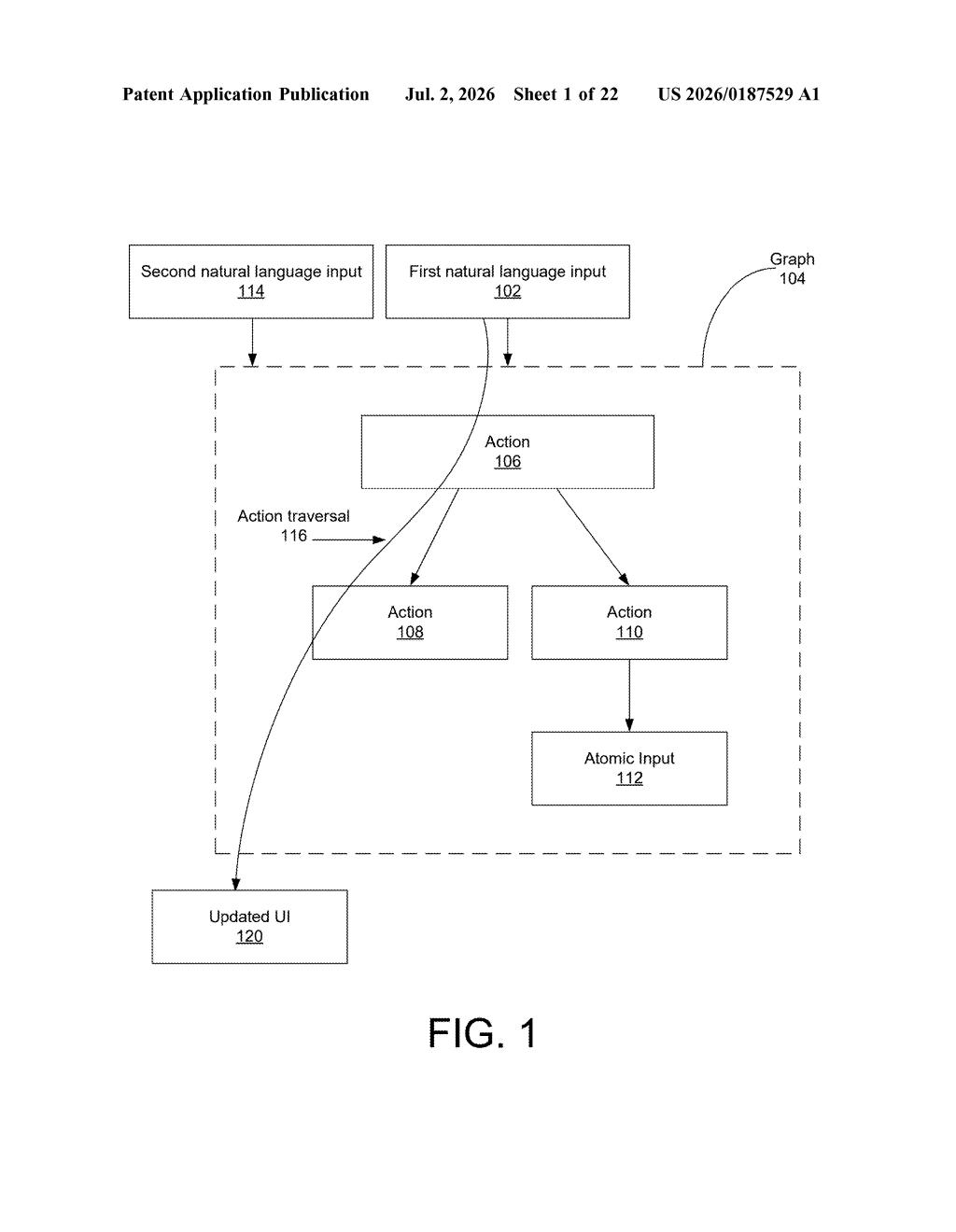
What Google's action-graph task system actually does
Imagine asking a friend to book you a flight. A careful friend doesn't just start clicking around randomly, they think through the whole process first: check dates, compare prices, enter payment details, confirm. Google's patent describes an AI that works the same way.
When you type or say what you want done, the system consults a kind of decision tree called an action graph. That graph lays out every known step involved in tasks like yours, and the connections between steps are weighted by how likely each next step is to be the right one. The AI picks the best path through that map, then starts executing it in order.
The practical upside is that the assistant isn't improvising as it goes. It has a plan, and that plan is grounded in patterns from how similar tasks have been completed before. That should mean fewer wrong turns and less "sorry, I couldn't do that" dead ends.
How the probability-weighted action graph guides execution
The system takes a natural language instruction, such as "schedule a meeting for next Tuesday," and feeds it into a generative model (an AI similar to the ones powering Google's Gemini products).
Instead of just generating free-form actions on the fly, that model consults a pre-built action graph: a structured network where each node represents a specific action ("open calendar," "select date," "add attendees") and each edge, the connection between nodes, carries a probability score representing how often that transition is the correct next step in real-world task completion.
The model identifies an action traversal, meaning the specific path through that graph that best matches the user's request. Think of it like a GPS route: there are many roads, but the system picks one turn-by-turn sequence before the car moves.
Once the traversal is returned, the system begins executing it in order, starting with the first action in the chosen path. The key distinction from a plain AI agent is that the decision about what to do is separated from the act of doing it, which allows for more structured error-checking and predictability.
What this means for Google's AI assistant ambitions
AI agents that can autonomously complete multi-step tasks on your behalf are the next big frontier for companies like Google, Apple, and Microsoft. The practical problem is reliability: current agents often get halfway through a task and break down. By having the AI commit to a structured plan grounded in a probability-weighted graph before it starts acting, Google is trying to make those failures less frequent and more predictable.
For Google's Gemini and its broader "agentic AI" push, this patent hints at a more principled architecture underneath any future "do this for me" features in Android, Google Workspace, or Search. If your AI assistant is going to book flights, file expense reports, or send emails on your behalf, you really want it to have thought through the steps first.
This is a solid, non-flashy engineering patent that addresses a real and well-known problem with AI agents: they wing it too much. The action graph approach is a sensible structural guardrail. It's not a headline-grabbing idea, but it's exactly the kind of infrastructure work that separates a demo from a product you'd actually trust with your calendar.
Get our take in your Top Stories
Liked this breakdown? Add Patentlyze as a preferred source on Google, and our plain-English take shows up more often in your Top Stories the next time Google patent news breaks.
There are more where this came from
We read every patent application Big Tech publishes and send you the ones worth knowing. Plain English, free, every week.
Want this weekly breakdown for a company we don't cover? Patentlyze Pro →