
Meta's New Patent Wants to Track Your Mood by Listening to Your Voice All Day
Meta has filed a patent for a system that continuously listens to your voice, detects how you're feeling, and builds a timeline of your emotional trends. The AI ties your mood to where you are, what you're doing, and what time it is.
What Meta's voice-based mood tracking actually does
Imagine if your phone kept a journal of how you sounded every time you spoke, and then a month later handed you a report: "You tend to sound stressed on Monday mornings and noticeably calmer after exercise." That's roughly what Meta's patent describes.
The system records your spoken words across many situations, transcribes them, and runs the audio through an AI that picks up both what you say and how you say it. It looks at tone, pace, and other nonverbal cues. It then notes the context: the time of day, your location, what you were doing, or what app you were using.
Over time, it pieces those signals together into a summary of your emotional trends, complete with specific quotes from your own conversations as evidence. Meta's patent frames this as a fitness coaching tool, but the underlying technology is a persistent emotional monitoring system tied to voice data collected across your daily life.
How the AI links voice cues to context and builds a mood log
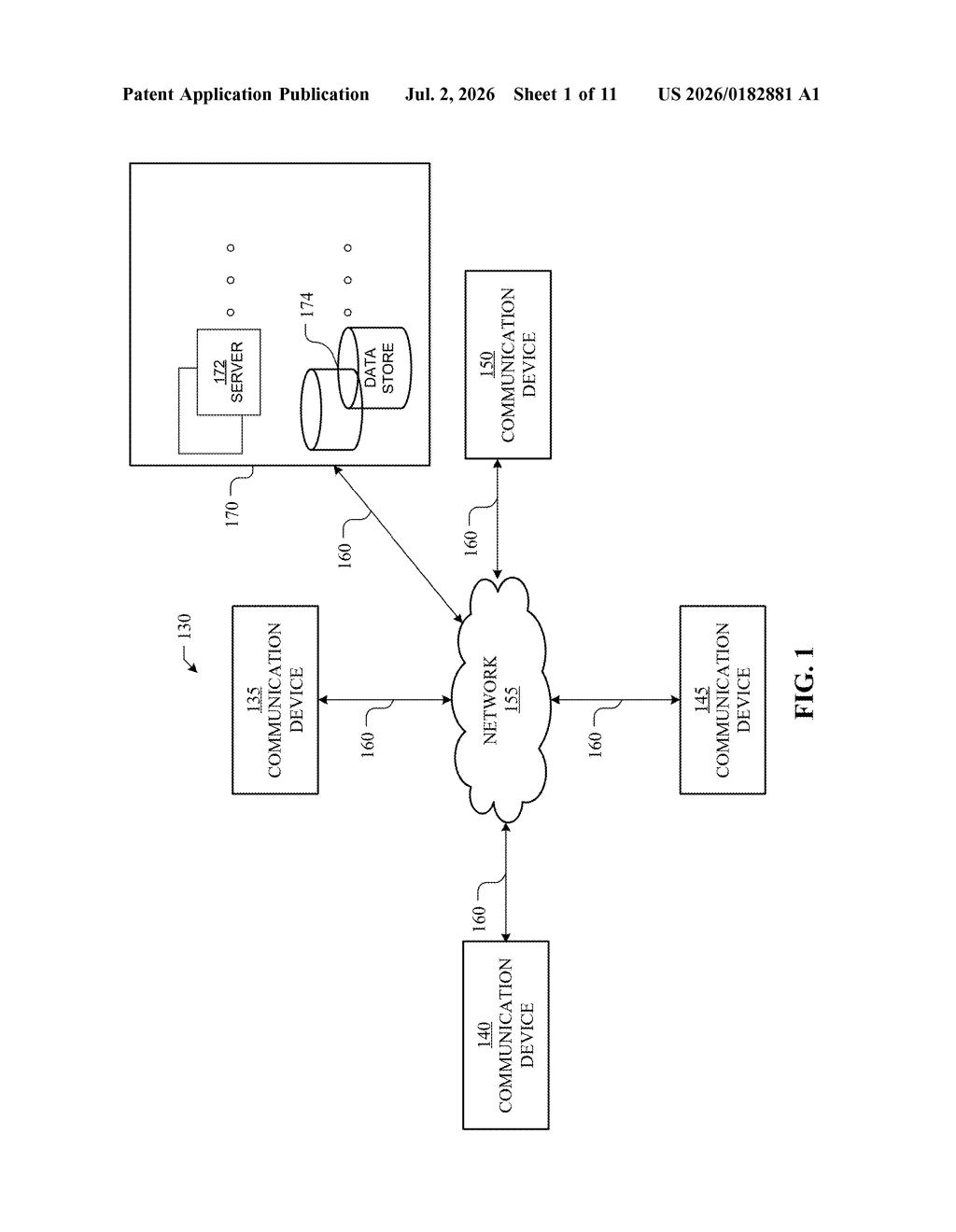
The patent describes a multi-step pipeline that turns ongoing voice recordings into an emotional profile.
- Audio capture and transcription: The system receives spoken audio continuously across different contexts and converts it to text.
- Emotional-state ML model: A machine learning model (an AI trained to recognize mood signals) analyzes both the words spoken and nonverbal cues like tone, pitch, and pacing to assign emotional indicators to each segment of audio.
- Contextual correlation: Those emotional indicators are linked to contextual factors: the time of day, the user's physical location, their current activity, or what digital service they were interacting with.
- Citation generation: The system identifies specific passages in the transcripts that best support each emotional finding. Think of these as footnotes the AI uses to justify its conclusions about your mood.
- Trend summary: All of this feeds into a periodic report summarizing emotional patterns over time, with those transcript citations included as supporting evidence.
The patent mentions fitness coaching as a framing, but the claims are written broadly. Nothing in the core method limits it to workout contexts. The system is designed to work across contexts, which is the key phrase in the filing.
Why always-on emotional listening raises real questions
The obvious tension here is that this system requires persistent, ambient voice recording to work. It is not triggered by a wake word or a single session. It builds a picture of your emotional life from accumulated audio captured across your day, tied to where you were and what you were doing. For users, that means the privacy stakes are not just about what you say but about how you sound over time.
Meta operates Ray-Ban smart glasses and is developing further wearable devices, which are natural form factors for always-on audio. A system that can tell whether the person wearing your glasses sounds happier at home than at work, or calmer after a walk than a meeting, would be genuinely useful as a wellness tool. It would also represent one of the most detailed behavioral datasets any company has ever collected.
This is one of the more consequential patents Meta has filed in recent memory, not because the underlying AI is exotic, but because of what it would actually require to run: continuous voice collection tied to location, activity, and app usage. The fitness coaching framing is thin cover for a system that is fundamentally about persistent emotional surveillance. That deserves more public attention than most patent filings get.
There are more where this came from
We read every patent application Big Tech publishes and send you the ones worth knowing. Plain English, free, every week.
Want this weekly breakdown for a company we don't cover? Patentlyze Pro →