
Samsung Patents an AI That Pre-Writes Your Text Replies Before You Ask
Samsung is building an AI assistant that reads your ongoing chat, figures out your relationship with the other person, and queues up reply suggestions before you even tap the text box.
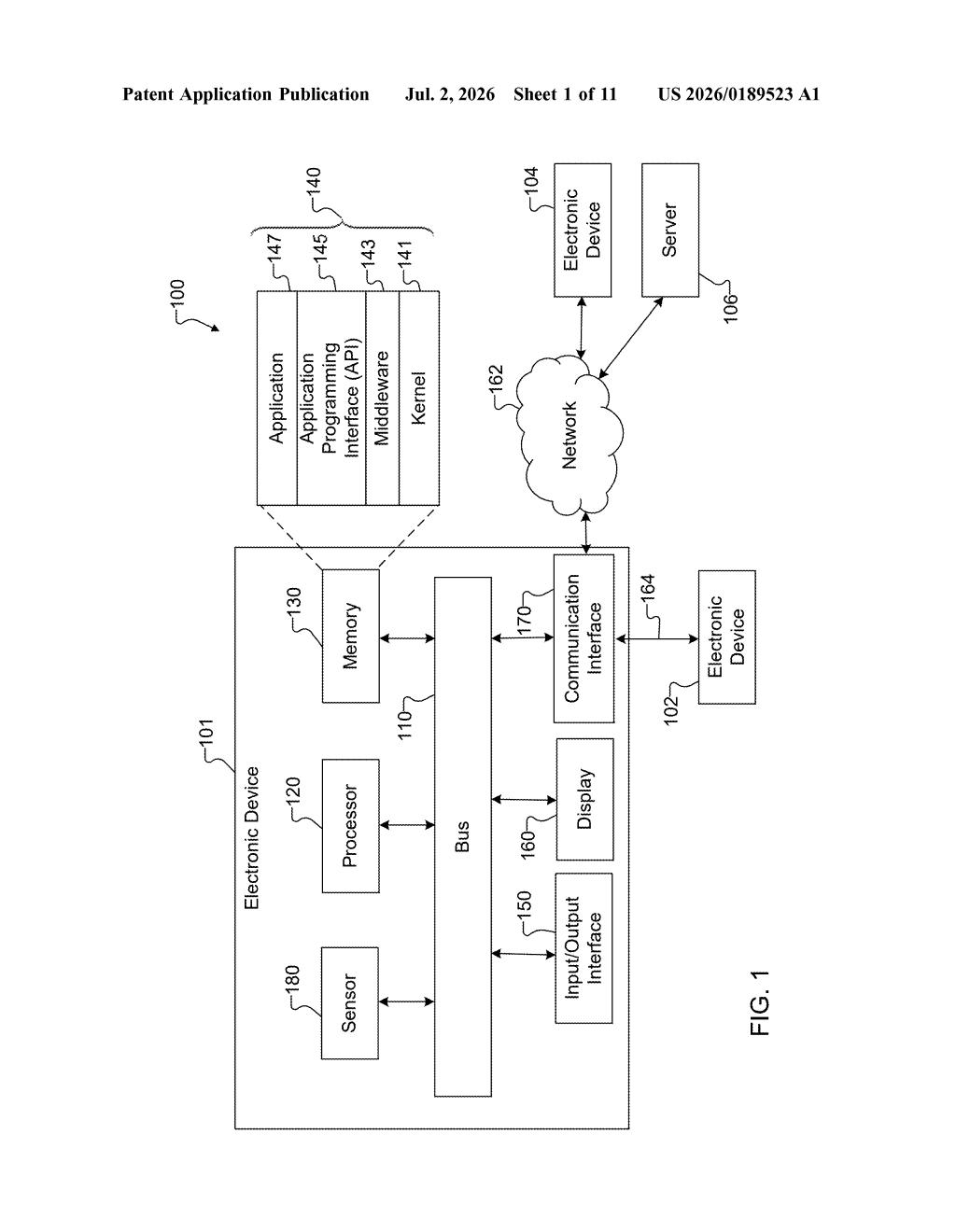
What Samsung's AI reply-suggestion system actually does
Imagine you're texting a close friend who just asked if you want to grab dinner. Before you even start typing, your phone has already read the last few messages, remembered that you two usually make plans on weekends, and drafted two or three reply options for you. That's the idea behind this Samsung patent.
The system watches your active conversation in real time and also looks back at older chat history to understand context, like whether this is a work contact or a best friend. From that, it builds a reply suggestion that feels personal rather than generic.
If the main AI takes too long to respond (say, your phone is under load), a lighter backup model steps in to make sure you still get a suggestion without a noticeable delay. The whole thing is designed to feel instant, even when the heavy lifting is happening in the background.
How two AI models hand off work to keep suggestions fast
The patent describes an electronic device (almost certainly a smartphone) that runs two AI models in sequence to generate personalized reply suggestions inside a messaging app.
- Step 1 - Context extraction: A first large language model (LLM) reads the conversation history and pulls out what Samsung calls "relationship information" -- basically, who these people are to each other and what they typically talk about.
- Step 2 - Predictive pre-fetching: A dynamic pre-fetching model uses real-time chat context alongside historical patterns to predict what kind of reply the user is likely to want, before the user asks for one. Think of it like a browser pre-loading a web page it thinks you'll click next.
- Step 3 - Reply generation: A second LLM takes that personalized prompt from step one and generates an actual reply suggestion. The two models talk to each other using a streaming interface, meaning the first model sends partial results as it works rather than waiting until it's fully done -- cutting down total wait time.
- Step 4 - Fallback: If the second LLM is running slow (high device load, for example), a lightweight backup model called a "latency-aware fallback" takes over to produce a quicker, simpler suggestion so the user never stares at a spinner.
The chain is designed to keep suggestions feeling immediate even when the underlying AI work is computationally expensive.
What this means for messaging on Galaxy devices
For Galaxy phone users, this could make the AI reply feature in Samsung's messaging apps feel genuinely useful rather than an afterthought. Current smart-reply systems on most phones offer bland, generic responses ("Sounds good!", "On my way!"). By building a two-model pipeline that personalizes suggestions to your specific relationships and conversation style, Samsung is aiming for something that sounds like you wrote it.
The fallback mechanism is also worth noting from an engineering standpoint. It signals that Samsung wants this to work on-device, where resources are limited, not just in the cloud. That approach matters for privacy and for users in areas with poor connectivity.
This is a well-engineered take on a crowded space. The two-LLM pipeline with a streaming handoff and a fallback model is meaningfully more sophisticated than the smart-reply chips most Android phones already have. Whether Samsung can make it feel natural in practice is the real test, but the architecture here is worth watching.
Get our take in your Top Stories
Liked this breakdown? Add Patentlyze as a preferred source on Google, and our plain-English take shows up more often in your Top Stories the next time Samsung patent news breaks.
There are more where this came from
We read every patent application Big Tech publishes and send you the ones worth knowing. Plain English, free, every week.
Want this weekly breakdown for a company we don't cover? Patentlyze Pro →